








New Zealand Governance Reform
FIXNZ examines New Zealand governance reform through evidence on public accountability, institutional transparency, democratic safeguards, independent oversight and responsible use of public power.

Evidence Cards
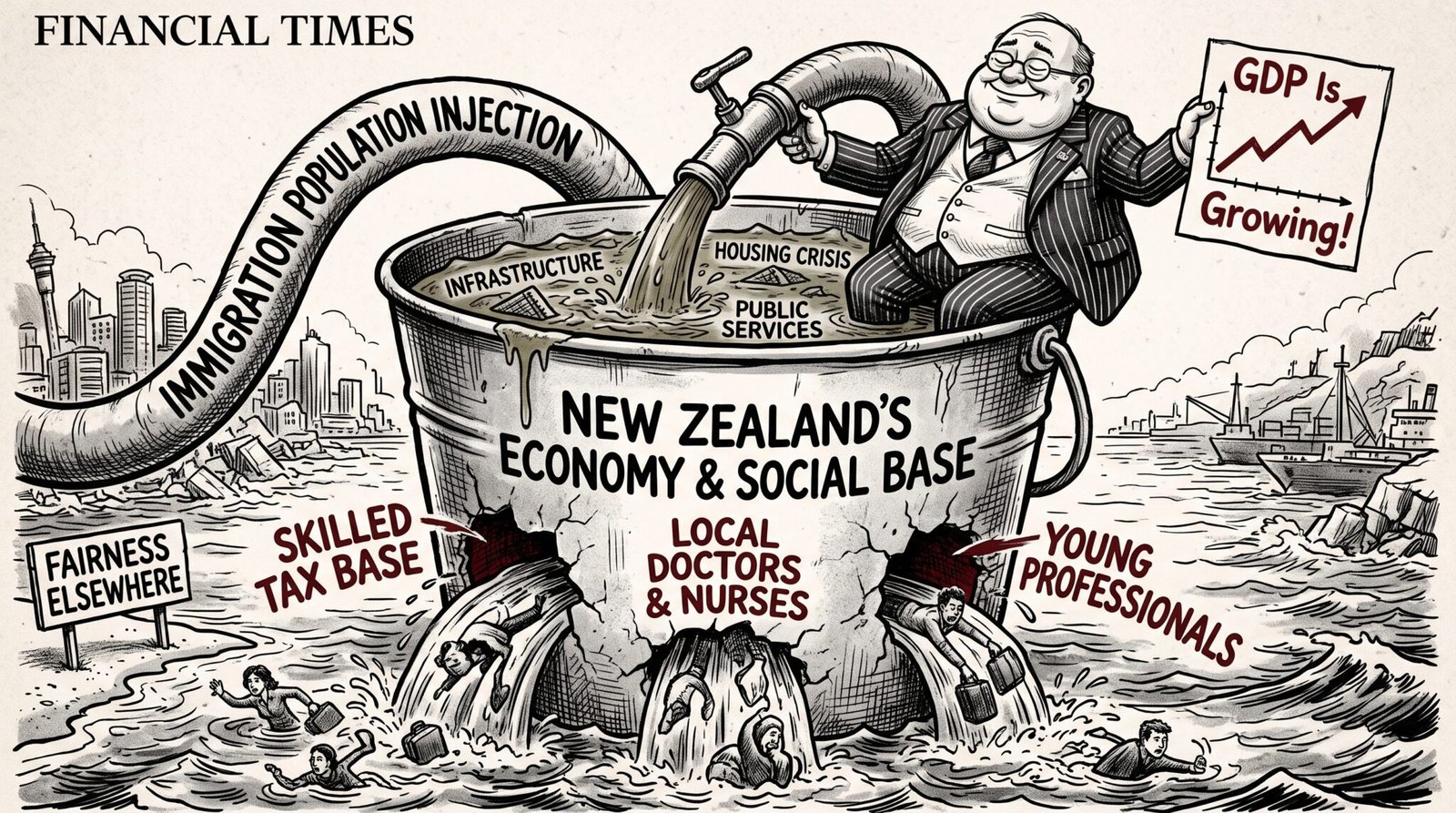
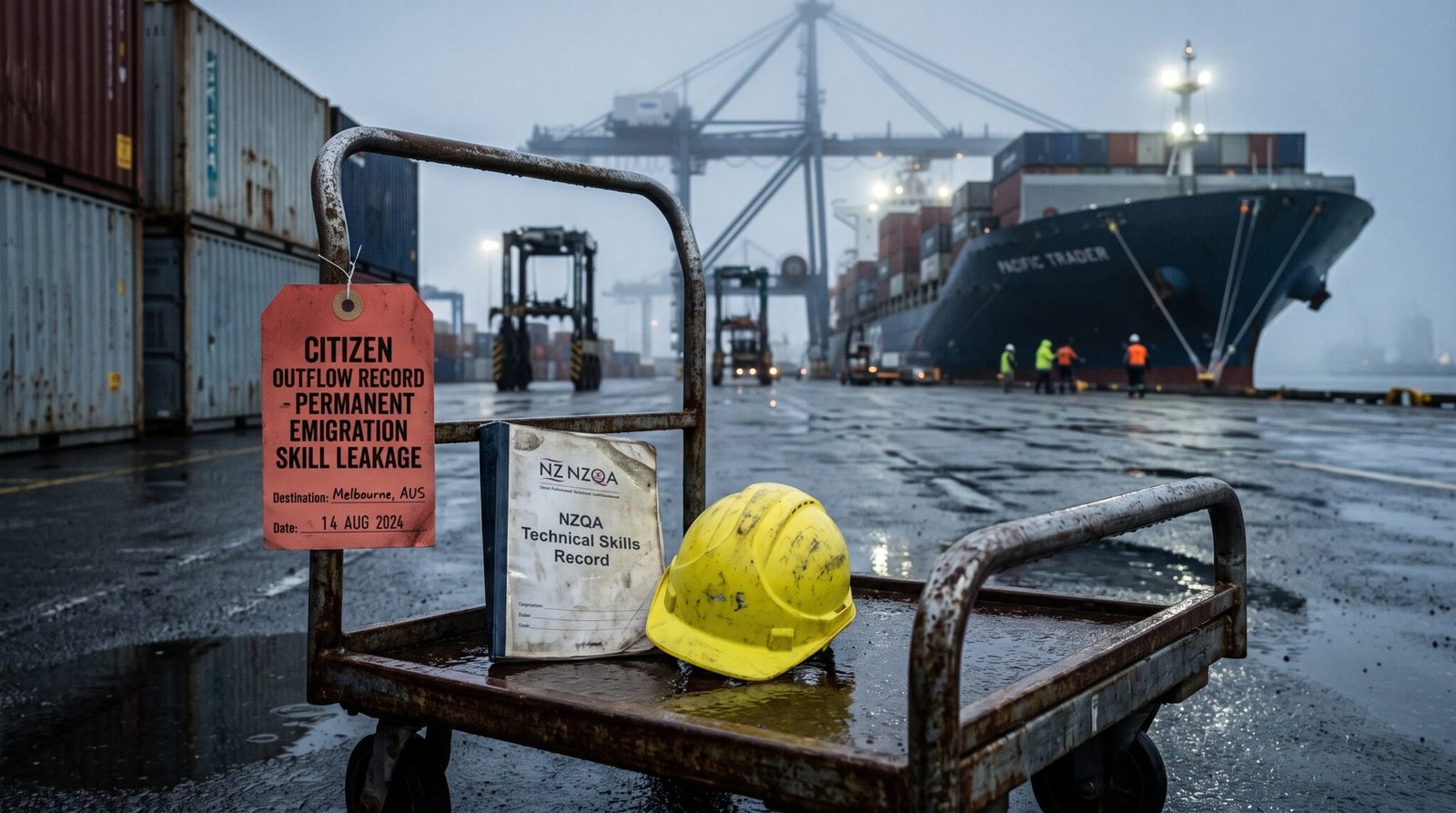
NZ — 71,800 Citizens Left
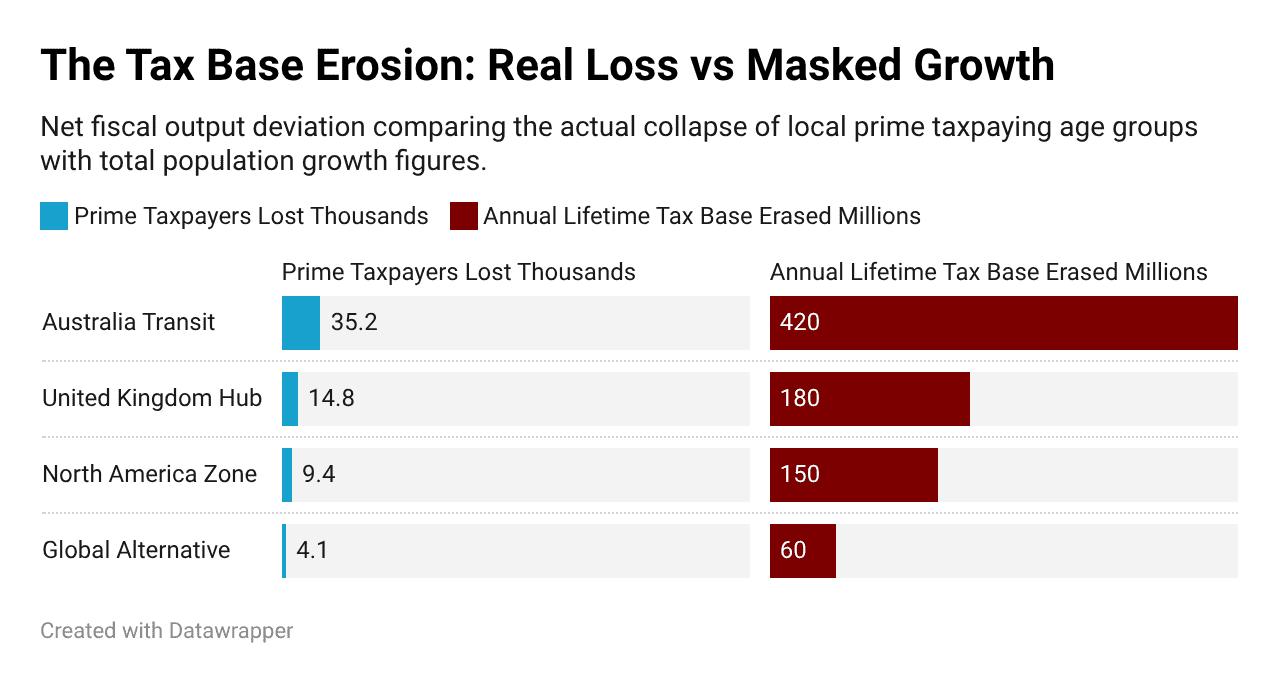
In the year to June 2025, 71,800 New Zealand citizens left, the highest annual total in about 13 years. The previous year recorded 67,500 departures.
Lesson for NZ:
Citizen loss must be tracked separately from total population growth.
NZ — 38% Were Aged 18–30
People aged 18–30 made up 38% of citizen departures in the year to June 2025.
Lesson for NZ:
Losing young adults weakens the future workforce, tax base and skills supply.
Australia — 58% of Departures
In the year to August 2025, nearly 74,000 New Zealand citizens left, and about 58% moved to Australia.
Lesson for NZ:
New Zealand is transferring workers, skills and future taxpayers to its closest competitor.
1. Population Growth Can Hide Citizen Loss
New Zealand can report population growth while losing its own young citizens, skilled workers and future taxpayers.
Migration may increase the total population, but it does not explain why New Zealand citizens are leaving or whether they intend to return.
Evidence:
- Around 71,800 New Zealand citizens left in the year to June 2025.
- About 38% of departing citizens were under 30.
- Australia remains the main destination for many departing New Zealanders.
- Citizen departures can rise even while total population and net migration remain positive.
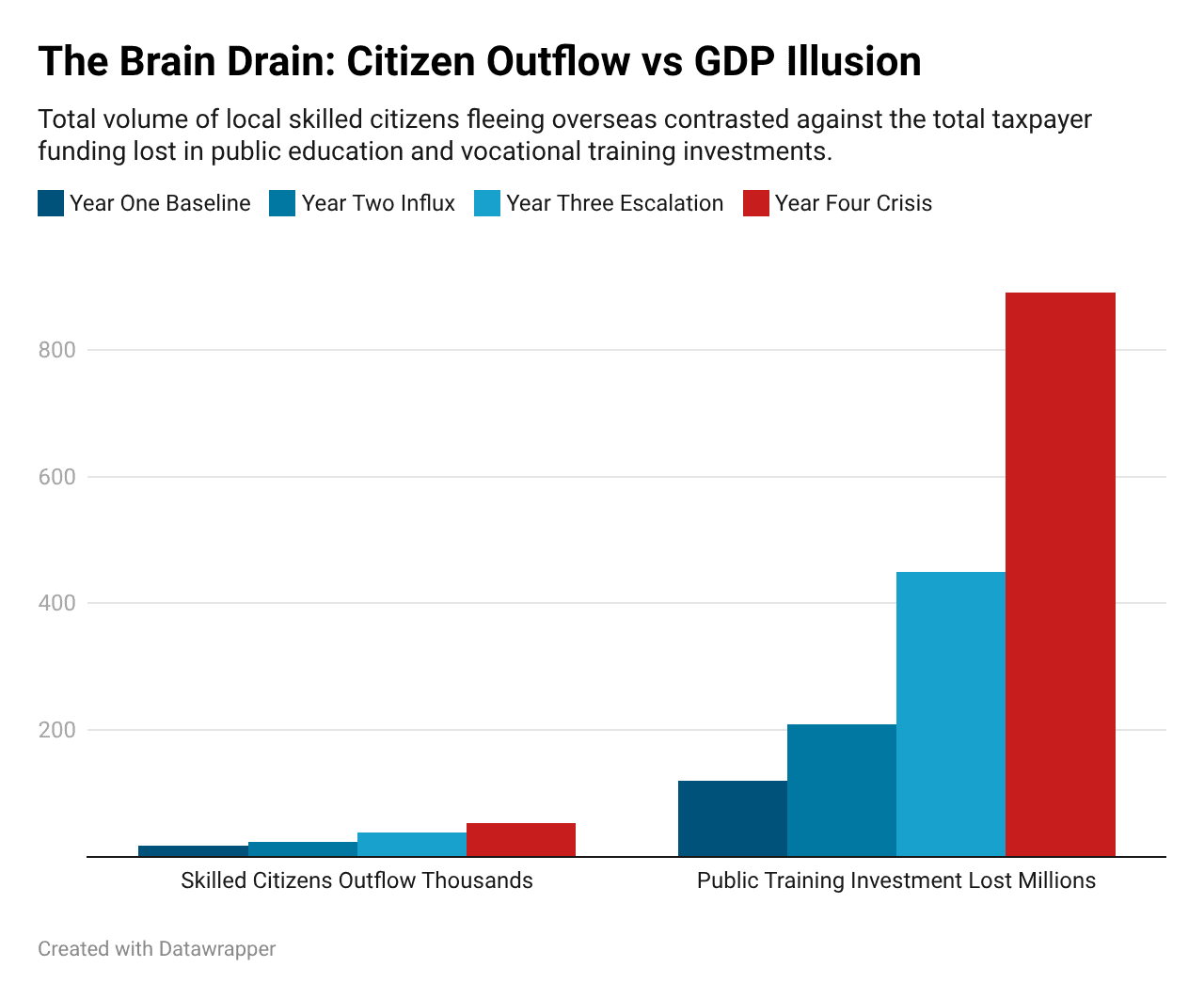
- Long-term departures also export publicly funded education, training, skills and future tax revenue.
FIXNZ proposes:
- Publish citizen departures and returns separately from total migration.
- Track age, occupation, destination and long-term return rates.
- Measure lost skills, tax revenue and public training investment.
- Create a national Citizen Retention Indicator.
- Require a government response when citizen net outflow remains persistently high.
- Stop using population or GDP growth alone as proof of policy success.
Core claim:
Measure who leaves—not only who arrives.
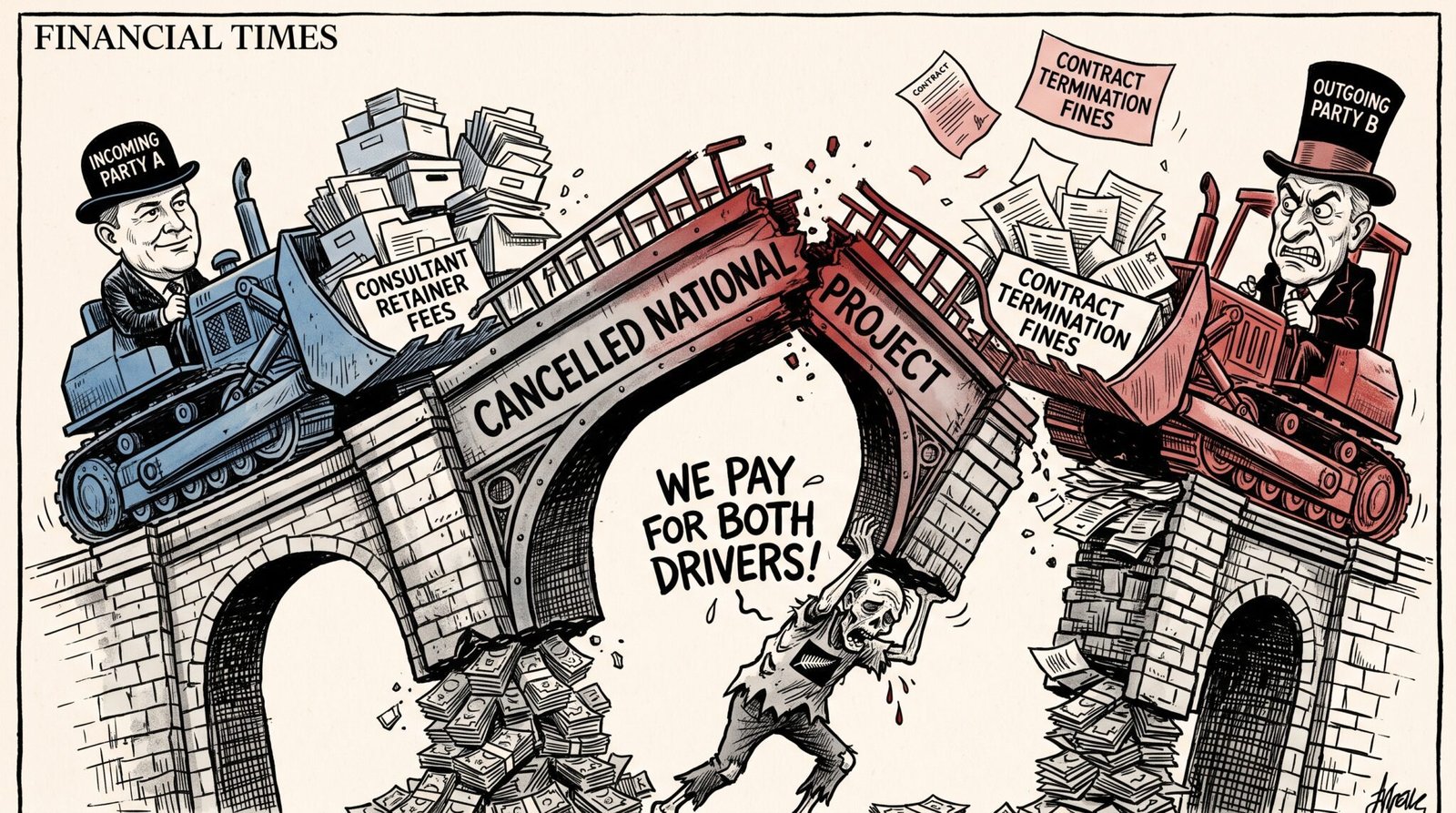
2, Public Projects Must Not Be Recycled
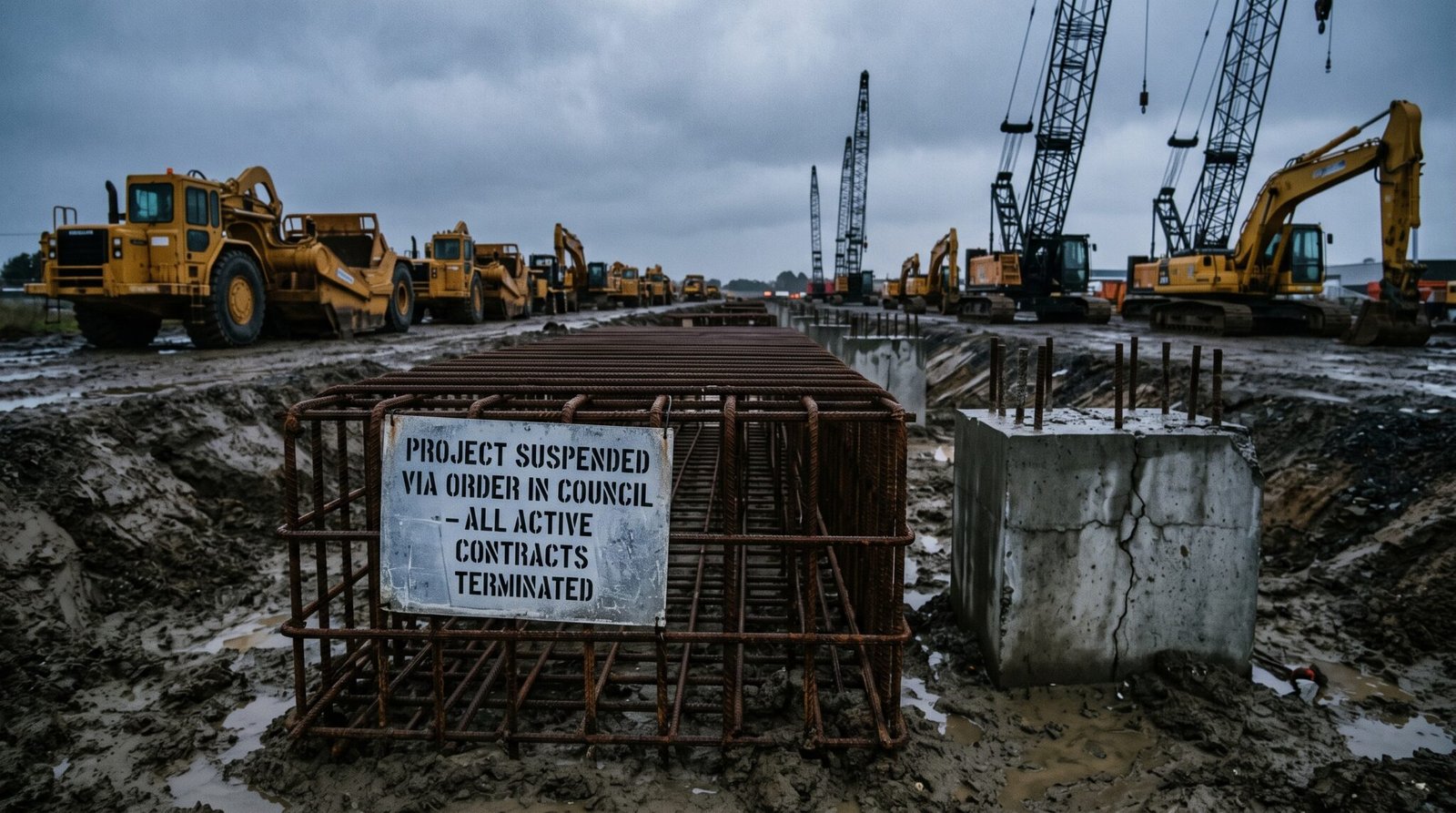
Long-term public projects should not be cancelled and restarted whenever political control changes.
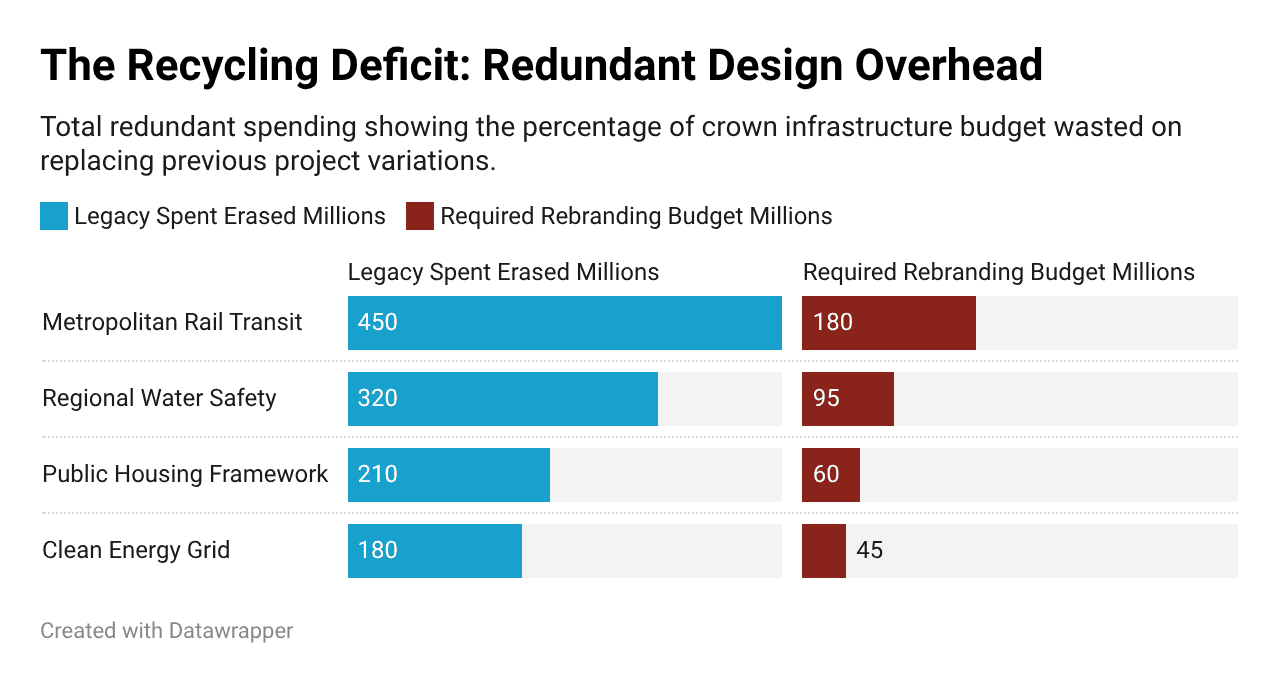
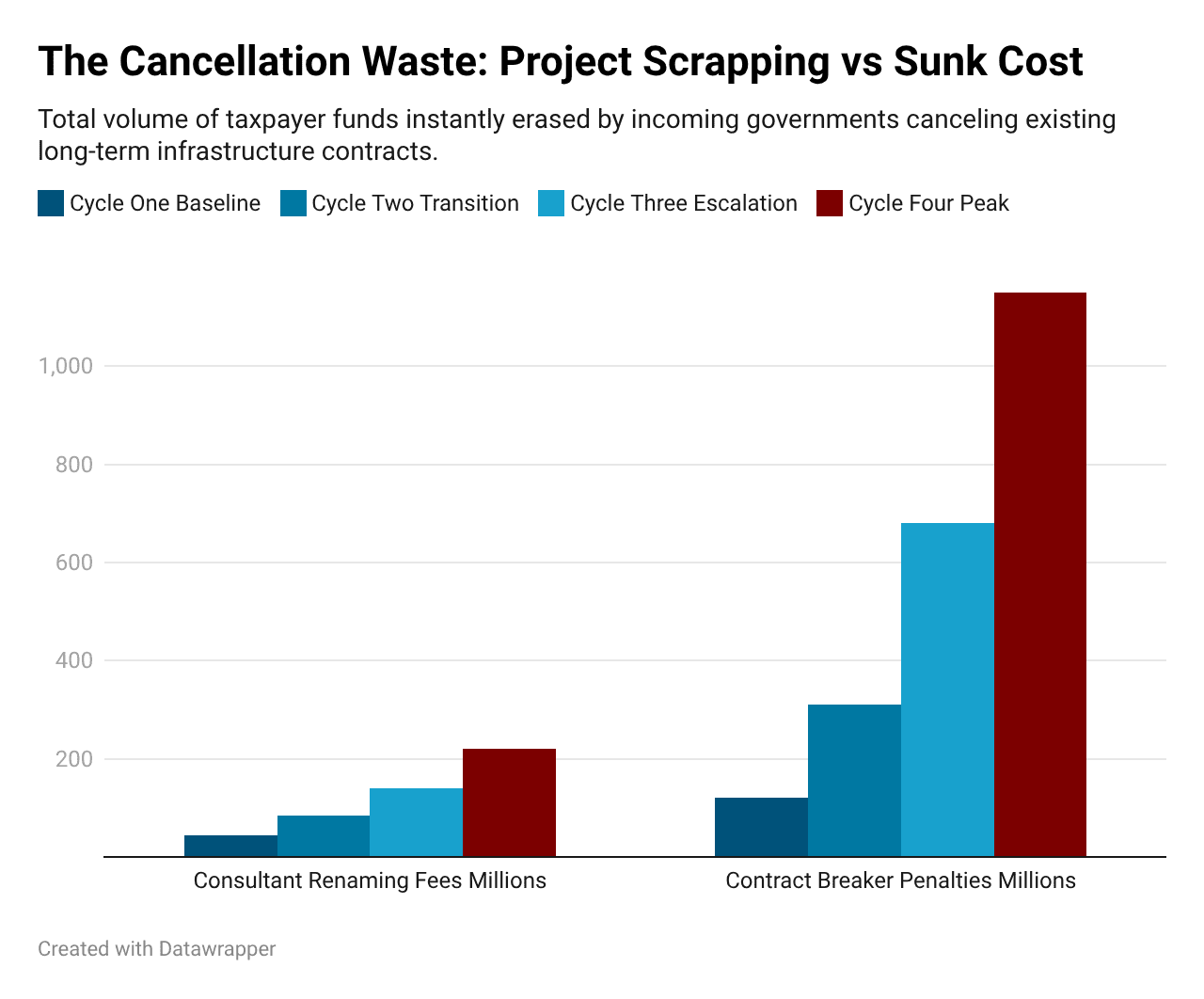
Policy may change, but taxpayers should not repeatedly pay for redesign, consultants, contract termination and delays.
Evidence:
- Auckland Light Rail: about NZ$228 million spent before cancellation, with no line built.
- iReX ferries: around NZ$300 million allocated for cancellation costs.
- Three Waters: included NZ$44 million in transition support and a wider NZ$2.5 billion support package before repeal and replacement.
FIXNZ proposes:
- Publish the full cost before cancelling major projects.
- Show what earlier work, land and contracts will be reused or discarded.
- Separate design, consultancy, termination, delay and restart costs.
- Require independent review before major cancellation or redesign.
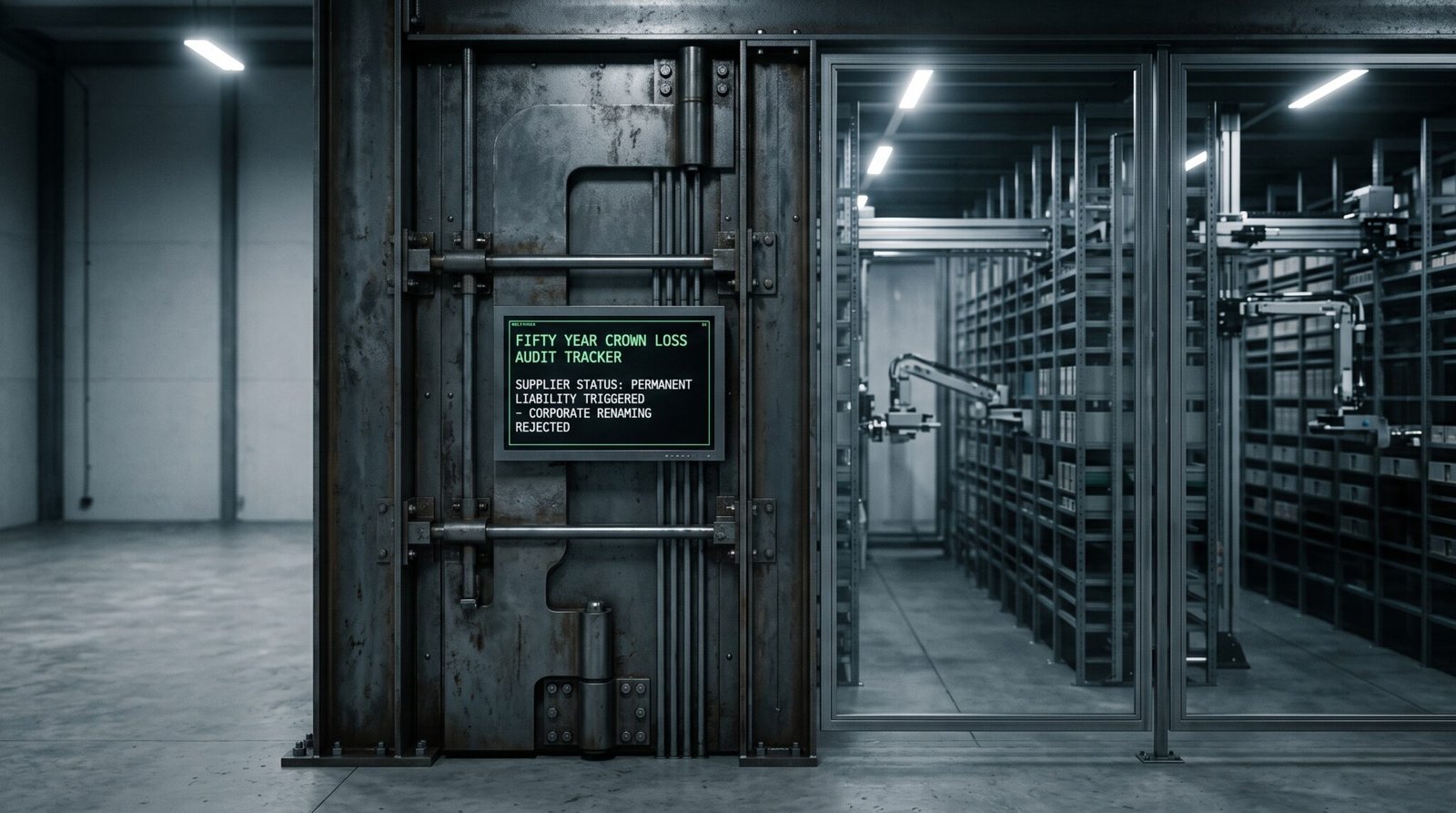
- Keep a 50-year recovery period for fraud, collusion, concealed conflicts and unlawful contracts.
- Do not let restructuring, retirement or a change of government erase responsibility.
Core claim:
Governments may change. Public losses must remain traceable.

Evidence Cards
Auckland Light Rail — NZ$228m Spent
About NZ$228 million was spent before the project was cancelled, with no completed light-rail line.
Lesson for NZ:
Cancellation must disclose what taxpayers received for the money already spent.
iReX — NZ$300m to Cancel
Around NZ$300 million was allocated for cancellation costs, including terminated infrastructure contracts and the ferry contract break fee.
Lesson for NZ:
Ending a project can itself become a major public expense.
Three Waters — Billions Committed
The programme included NZ$44 million in transition support and a broader NZ$2.5 billion council support package before repeal and replacement.
Lesson for NZ:
Major reforms need cross-party durability before large transition costs are committed.

Evidence Cards
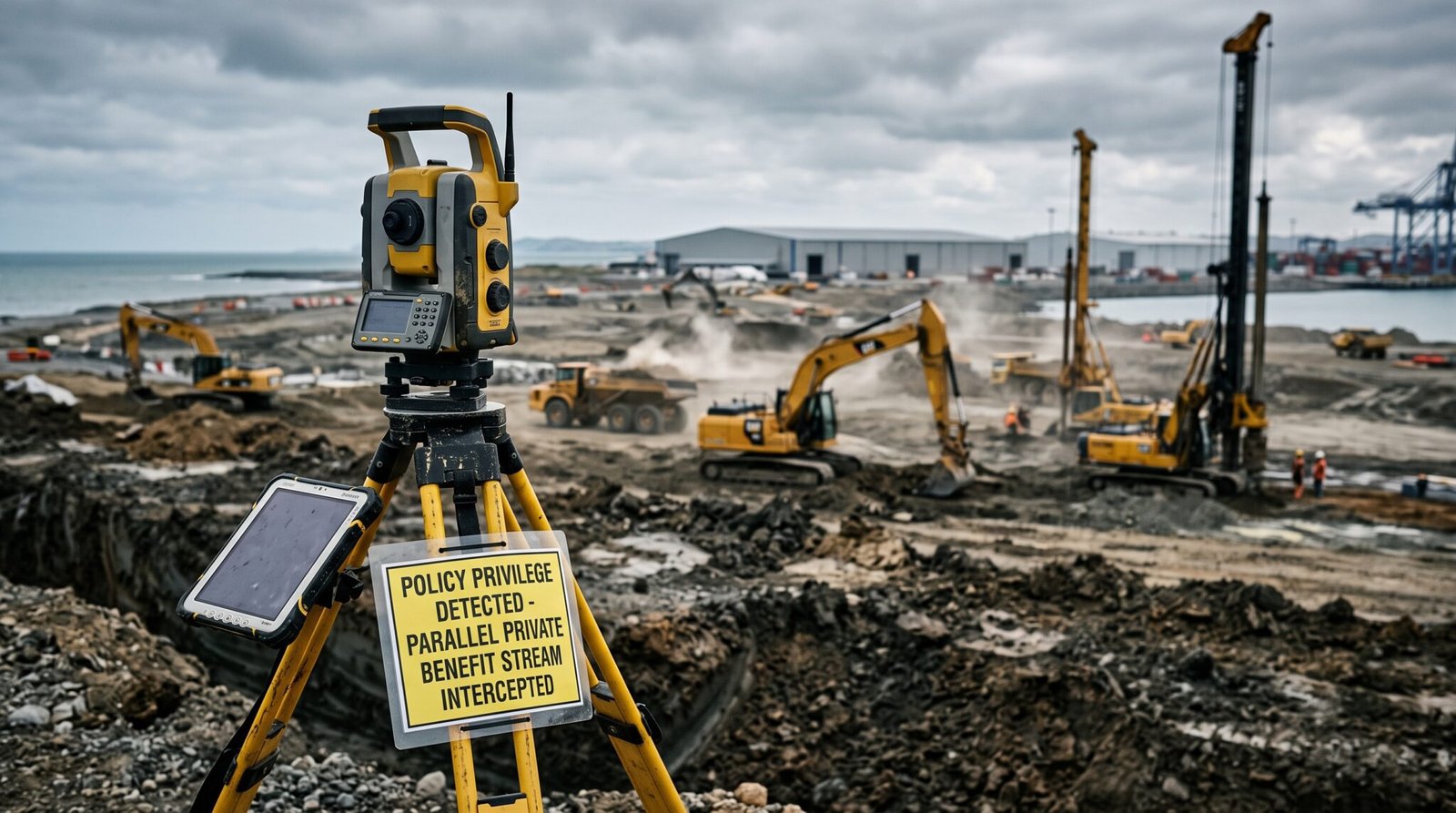
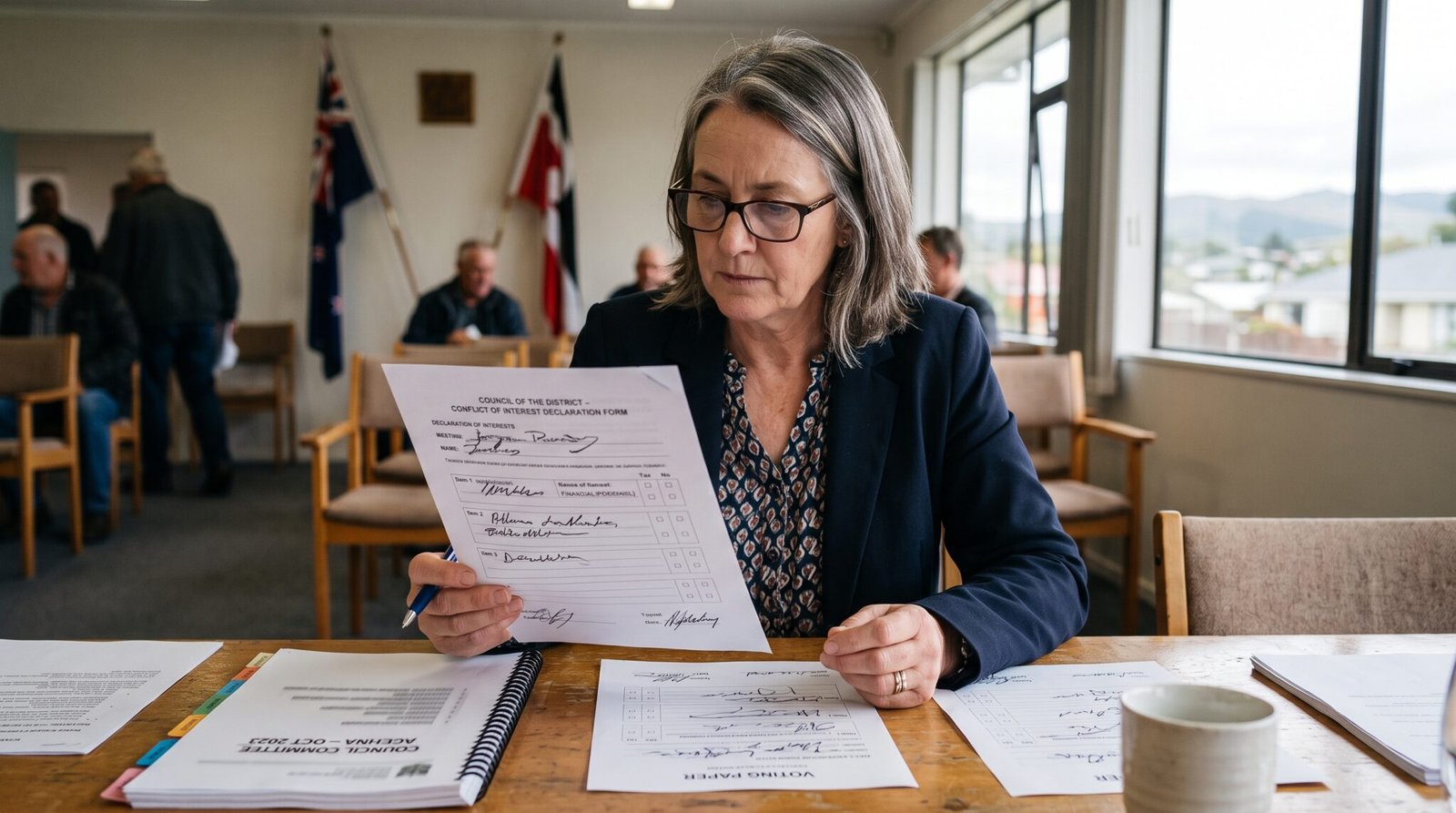
Financial Interests Go Beyond Cash
The Cabinet Manual recognises conflicts involving land, shares, businesses, debts and gifts, including indirect benefits to family or close associates.
Lesson for NZ:
Conflict rules must cover the full financial interest—not merely what appears on a declaration form.
Declaration May Not Be Enough
After declaring an interest, a minister may still need to leave the discussion, stop receiving papers or transfer responsibility.
Lesson for NZ:
A declaration should begin the protection process, not complete it.
Serious Conflicts Need Stronger Action
For substantial or continuing conflicts, the Cabinet Manual identifies options including portfolio transfer, divestment and blind investment arrangements.
Lesson for NZ:
The greater the personal benefit, the stronger and more visible the separation must be.
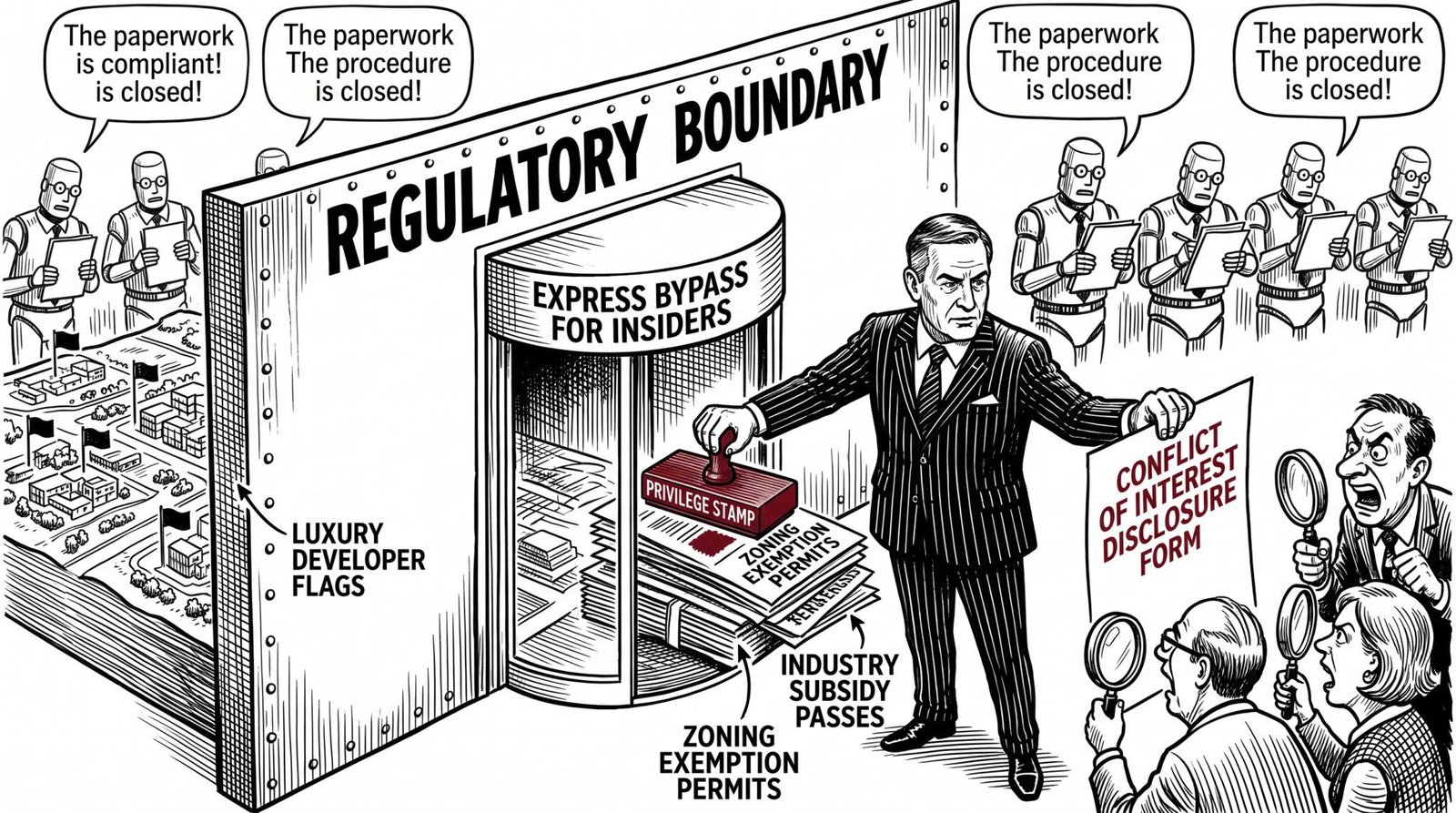
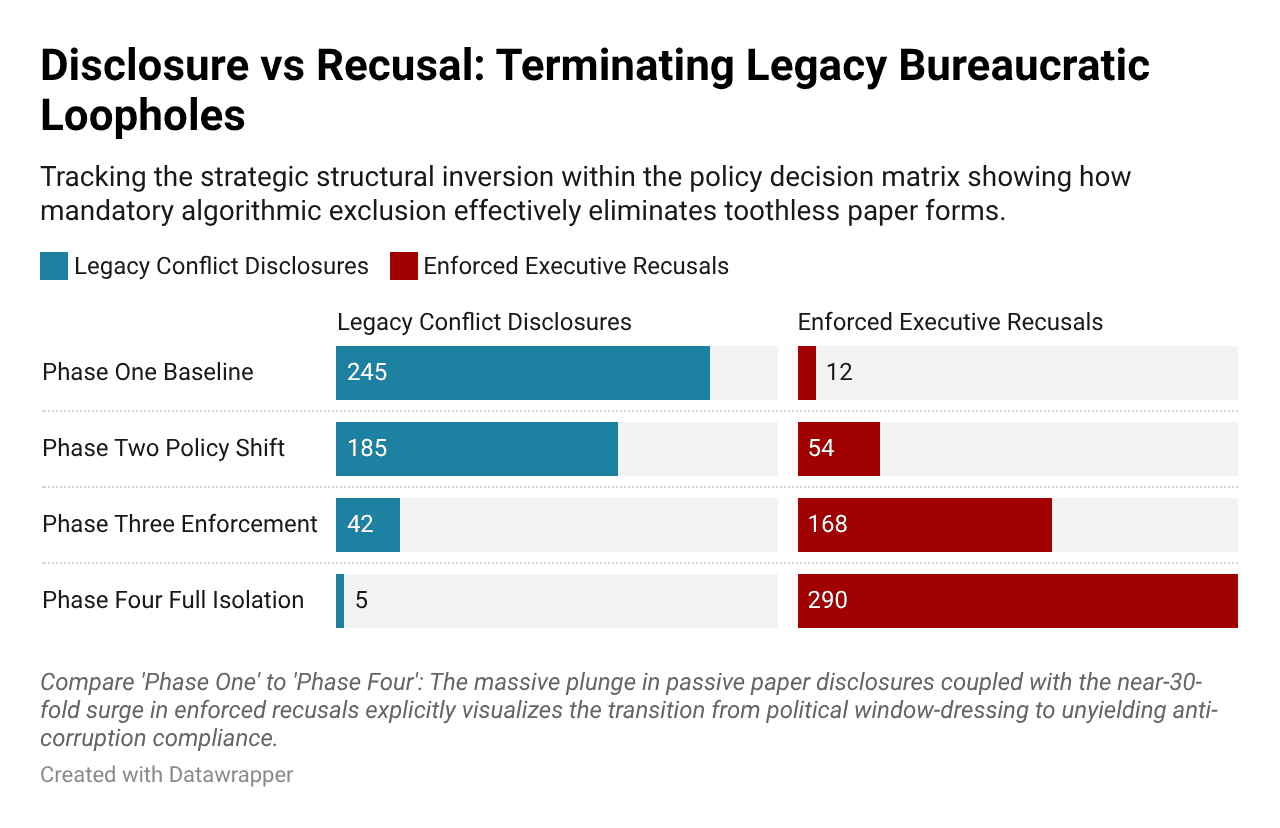
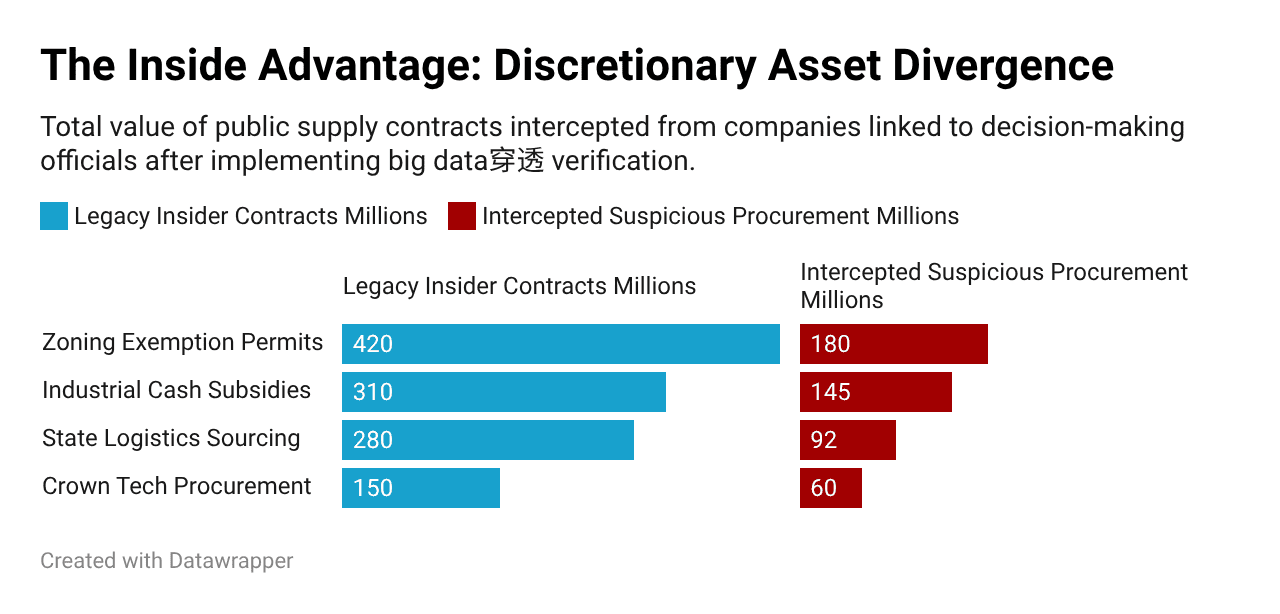
3, Disclosure Is Not Recusal
Declaring a financial interest does not remove its influence over public decisions.
Where a minister or decision-maker may gain or lose financially, they should not continue receiving briefings, shaping policy, joining discussions or voting on the matter.
Evidence:
- The Cabinet Manual 2023 says conflicts may be direct or indirect and can arise from land, shares, businesses or family interests.
- A declared conflict may still require withdrawal from discussion, withholding official papers or transferring responsibility to another minister.
- Where a conflict is significant and ongoing, the Manual allows stronger measures, including changing portfolio responsibilities, divestment or a blind investment vehicle.
FIXNZ proposes:
- Require withdrawal from briefings, policy design, discussion, approval and voting where a substantial direct interest exists.
- Prevent indirect influence through staff, colleagues or party channels.
- Publish the subject, duration and full scope of every recusal.
- Transfer responsibility to an unaffected minister or independent decision-maker.
- Use divestment or a genuine blind trust where conflicts are broad and continuing.
Core claim:
Disclosure records a conflict. Recusal removes it from the decision.
4, Government Should Not Wait for a Crisis
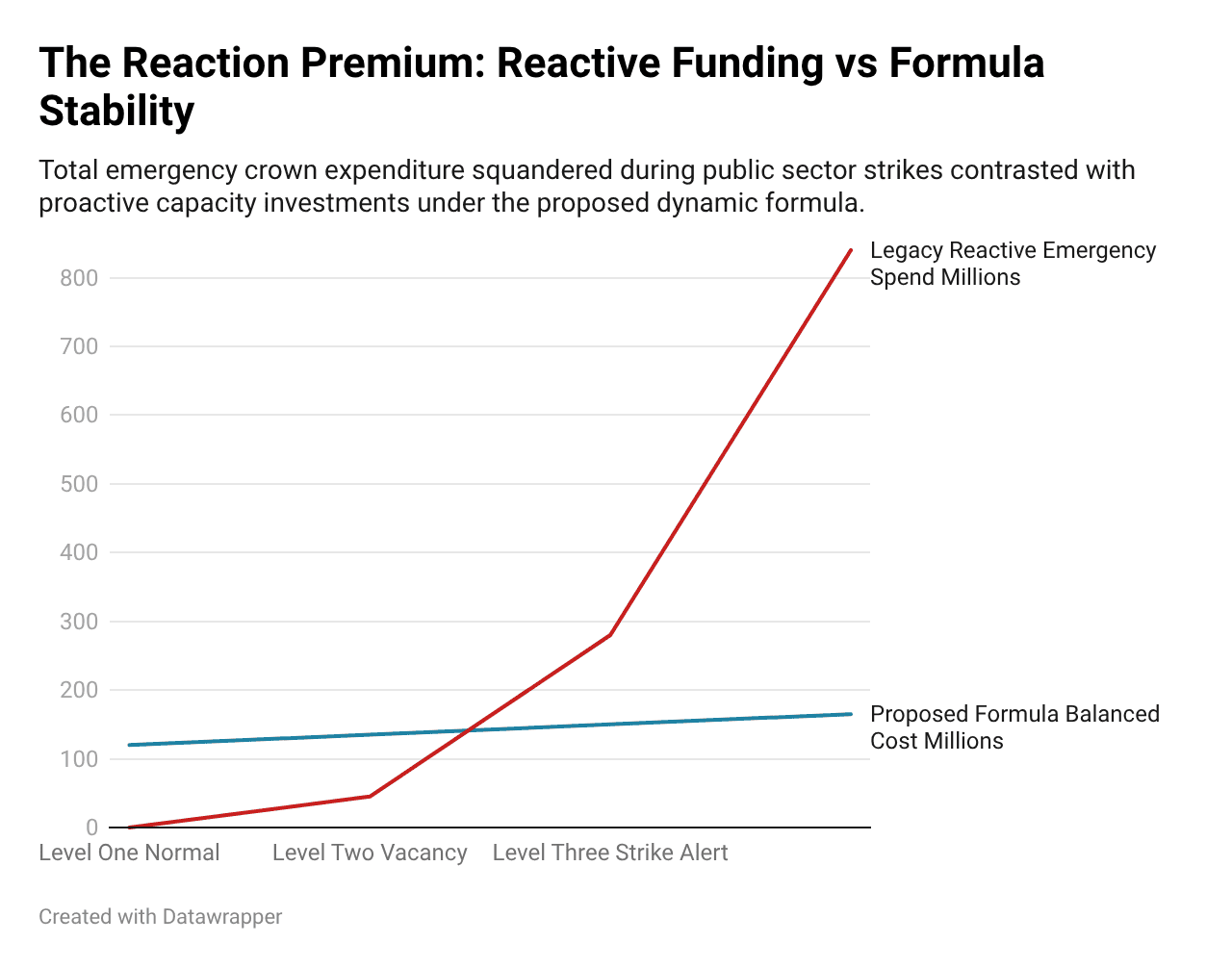
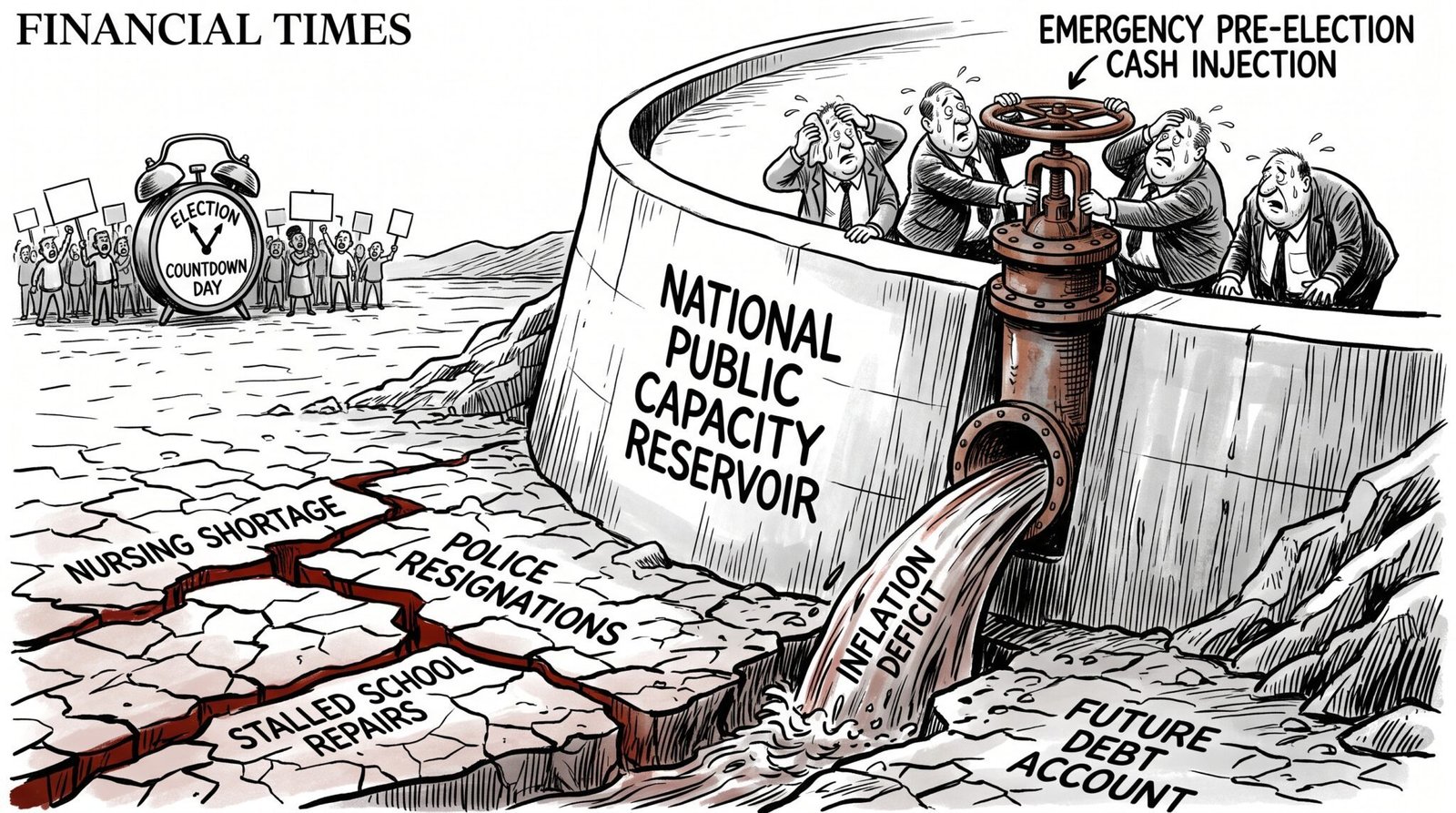
Public-service problems should be addressed through long-term planning—not only after strikes, shortages or political pressure.
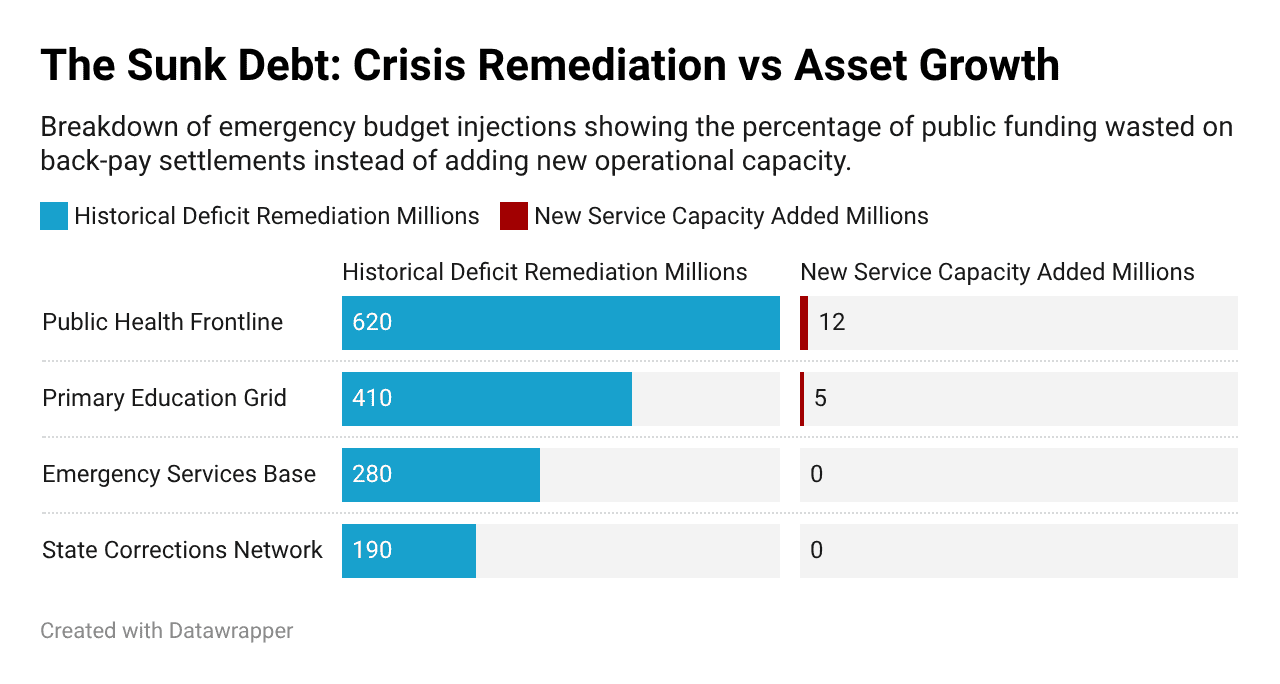
Delayed action often costs more, while emergency settlements may ease the immediate crisis without fixing staffing, workload or infrastructure.
Evidence:
- Secondary teachers: negotiations covering about 32,100 staff led to pay rises of roughly 4.6%–4.7% within 12 months. In 2024, the average salary was NZ$100,933, while the average starting salary was NZ$78,300.
- Health payroll failure: Holidays Act errors affected payments from 1 January 2013 to 15 September 2021, creating an estimated wider health-sector liability of about NZ$1.66 billion.
- Historic debt adds no capacity: remediation corrects past underpayments but does not add doctors, nurses, beds or treatment capacity.
FIXNZ proposes:
- Link key-sector funding to inflation, vacancies, workload, staff losses and service demand.
- Publish 5–10 year workforce, wage, training and infrastructure plans.
- Address predictable shortages before they become national disputes.
- Disclose ignored warnings, delay costs and emergency funding sources.
- Require every crisis settlement to show how the problem will be prevented from returning.
Core claim:
Fund capacity before a crisis—not silence after it.

Evidence Cards
Teachers — 32,100 Staff in Negotiations
The secondary-teacher negotiations covered about 32,100 people. The final settlement delivered pay increases of approximately 4.6%–4.7% within 12 months.
Lesson for NZ:
Workforce pressure should be anticipated through a long-term pay and retention formula, not resolved only through repeated bargaining crises.
Teacher Pay — NZ$78,300 Starting Salary
In 2024, the average secondary-teacher salary was NZ$100,933, but the average starting salary was NZ$78,300. The base salary scale ranged from NZ$61,329 to NZ$103,086.
Lesson for NZ:
Headline top salaries can hide recruitment and early-career retention pressures.
Health Payroll — NZ$1.66b Historic Liability
Years of incorrect Holidays Act calculations created an estimated health-sector liability of about NZ$1.66 billion. Ministry remediation covers historic errors from 2013 to September 2021.
Lesson for NZ:
Delayed administrative failures consume future budgets without creating new frontline capacity.



Evidence Cards
Three-Year Independent Review
Every major programme should undergo an independent outcome review at least once every 3 years.
Lesson for NZ:
Long-running programmes need scheduled tests of results, not indefinite renewal.
Original Targets Must Remain
A new name, department or contractor should not erase the programme’s original targets, budget or delivery history.
Lesson for NZ:
Performance must follow the project through every restructure.
Repeated Failure Triggers Review
Programmes that repeatedly miss their approved targets should automatically enter suspension, redesign or closure review.
Lesson for NZ:
Further funding should require evidence that the programme can deliver.
5, Failed Policies Must Expire
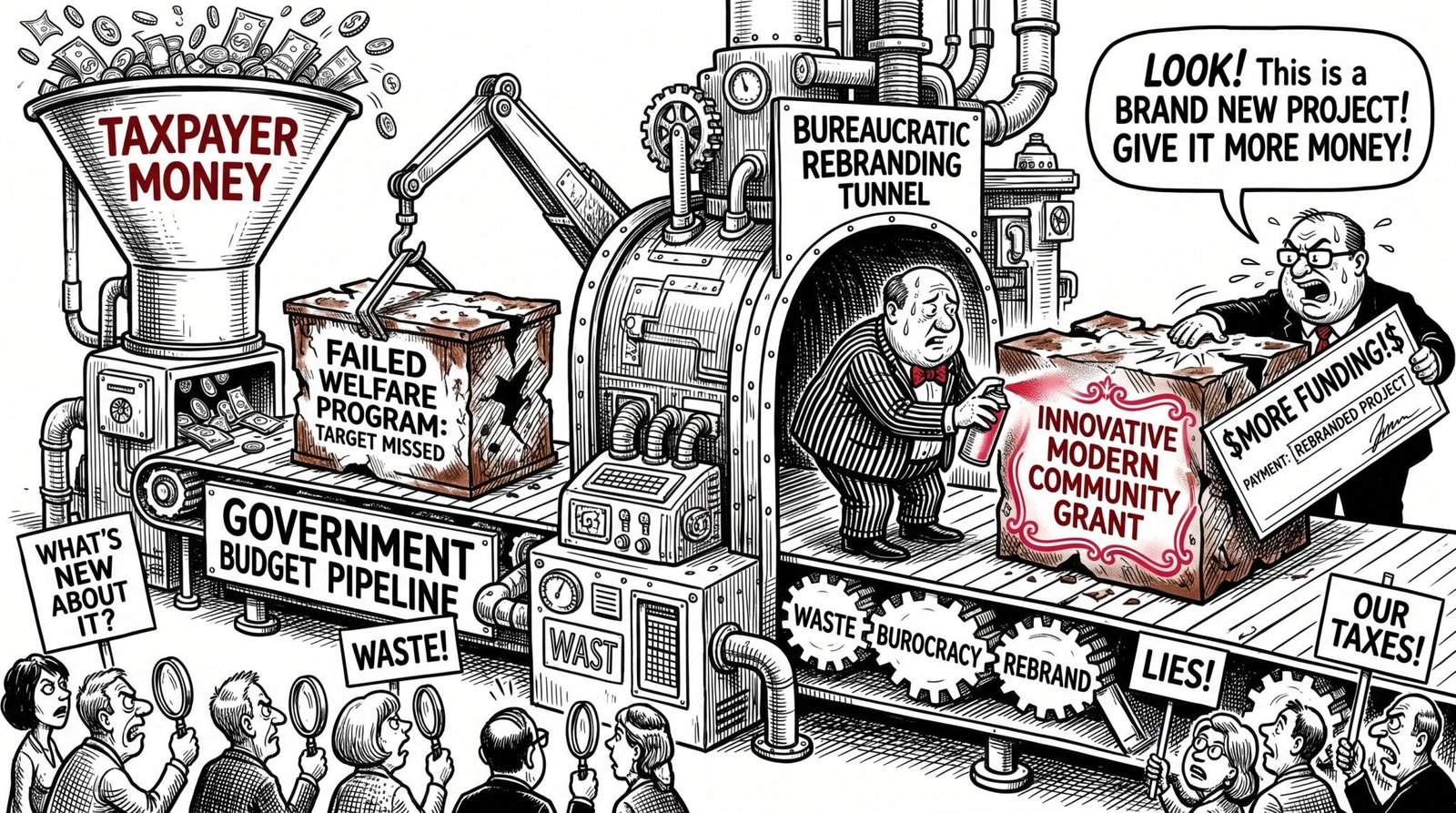
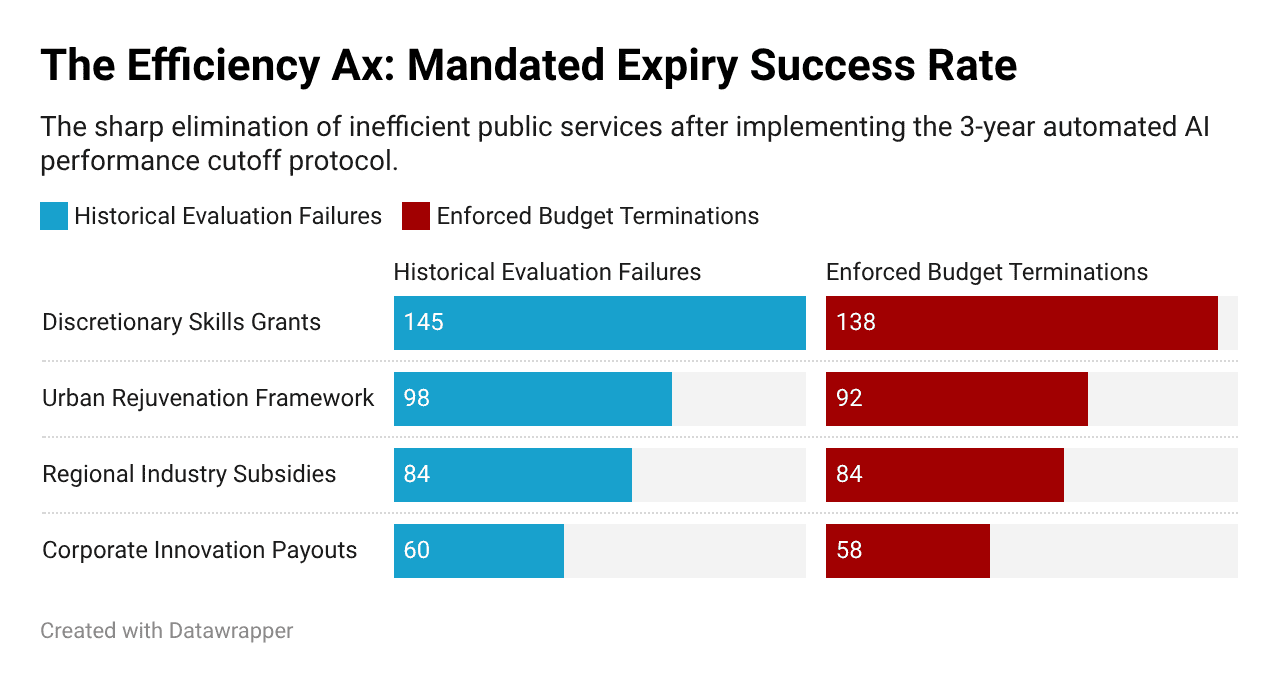
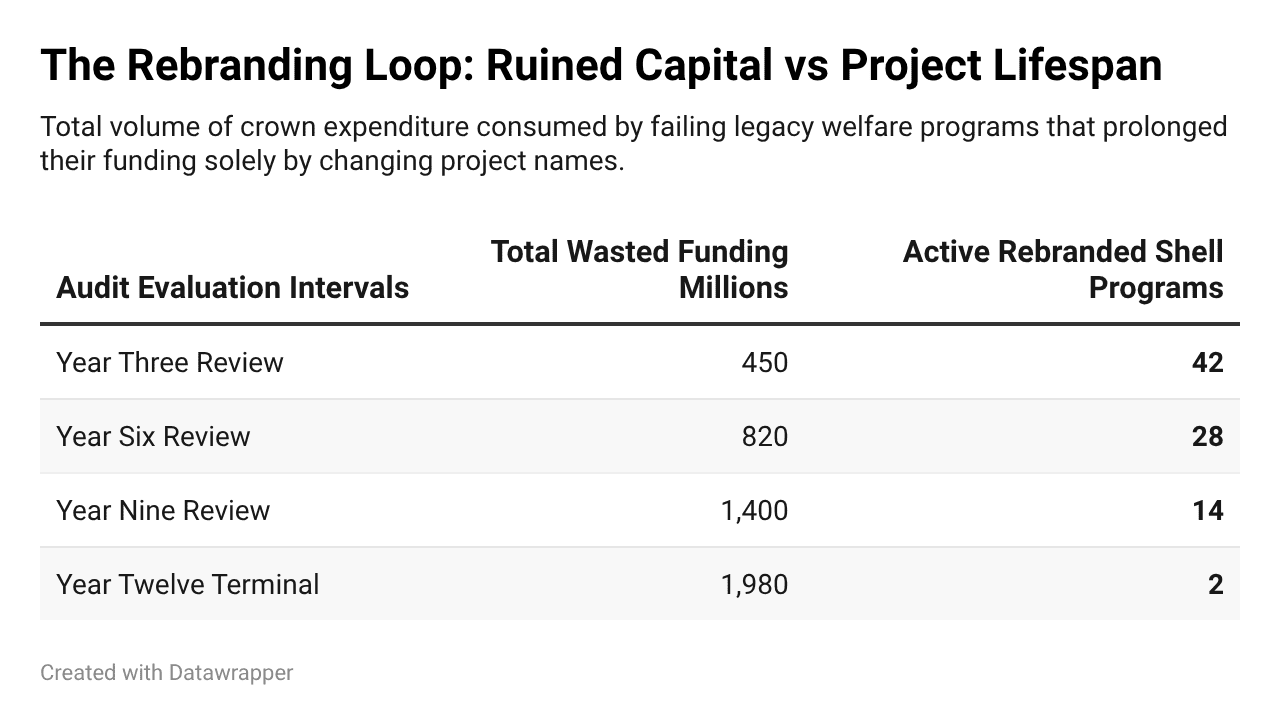
Public programmes that repeatedly miss their goals should not survive through renaming, restructuring or revised performance measures.
Government should report whether the original objective was achieved, what each result cost and why further funding is justified.
Evidence:
- Major projects can continue after changing their name, department, consultants or delivery structure.
- Reporting often emphasises money spent and activities completed rather than the original outcome.
- Renaming or transferring a project can make earlier delays, overruns and failed targets harder to trace.
- Continued funding without a clear end point can turn temporary programmes into permanent spending commitments.
FIXNZ proposes:
- Give every major programme a clear objective, budget and end date.
- Conduct an independent performance review every 3 years.
- Compare actual results with the original promises and approved costs.
- Place repeatedly underperforming programmes into suspension or closure review.
- Preserve the full performance record when a programme is renamed or transferred.
- Publish the cost of failure and the reason for any further funding.
Core claim:
A failed policy must be corrected, closed or replaced—not renamed and funded again.
6, AI Before Bureaucracy
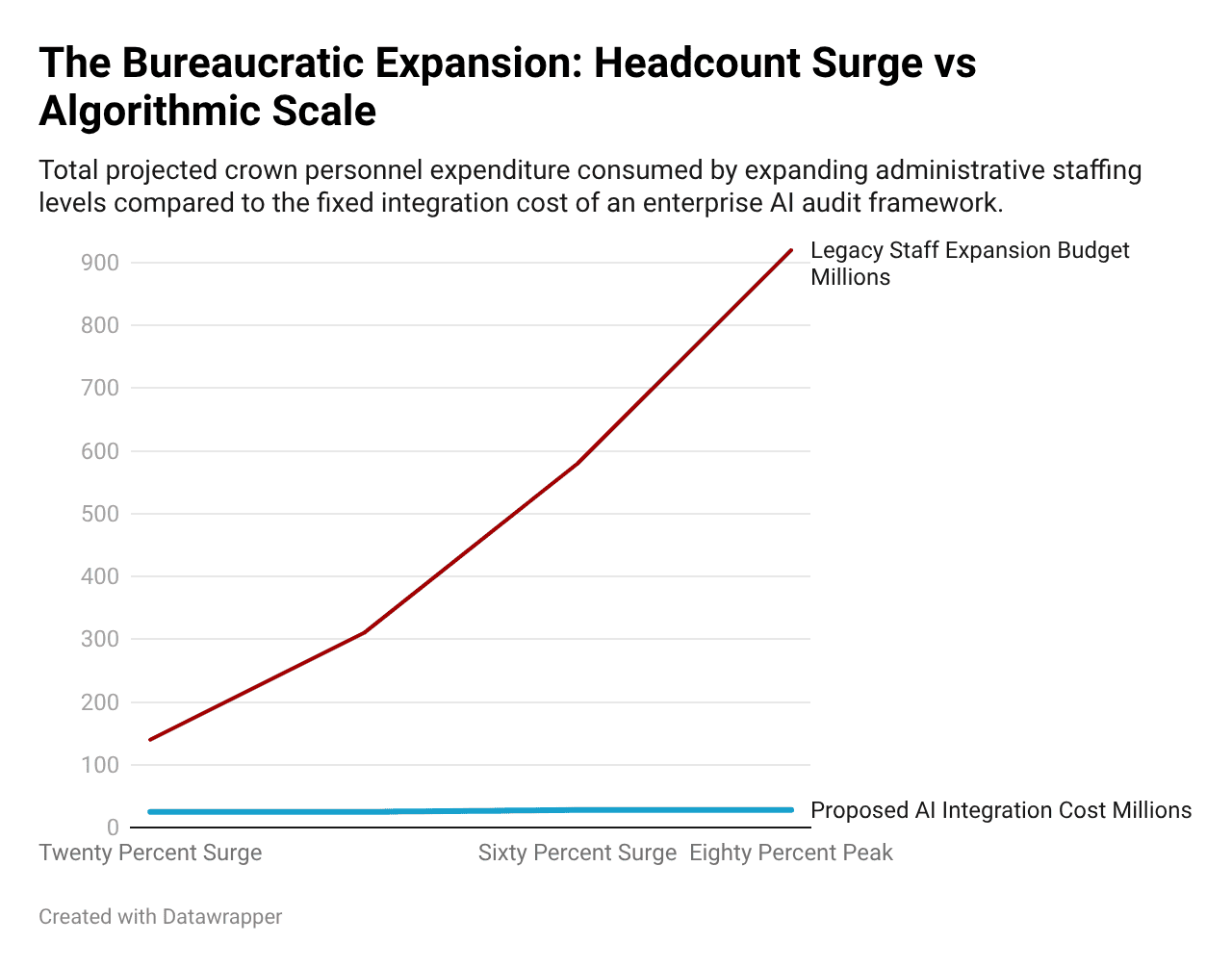
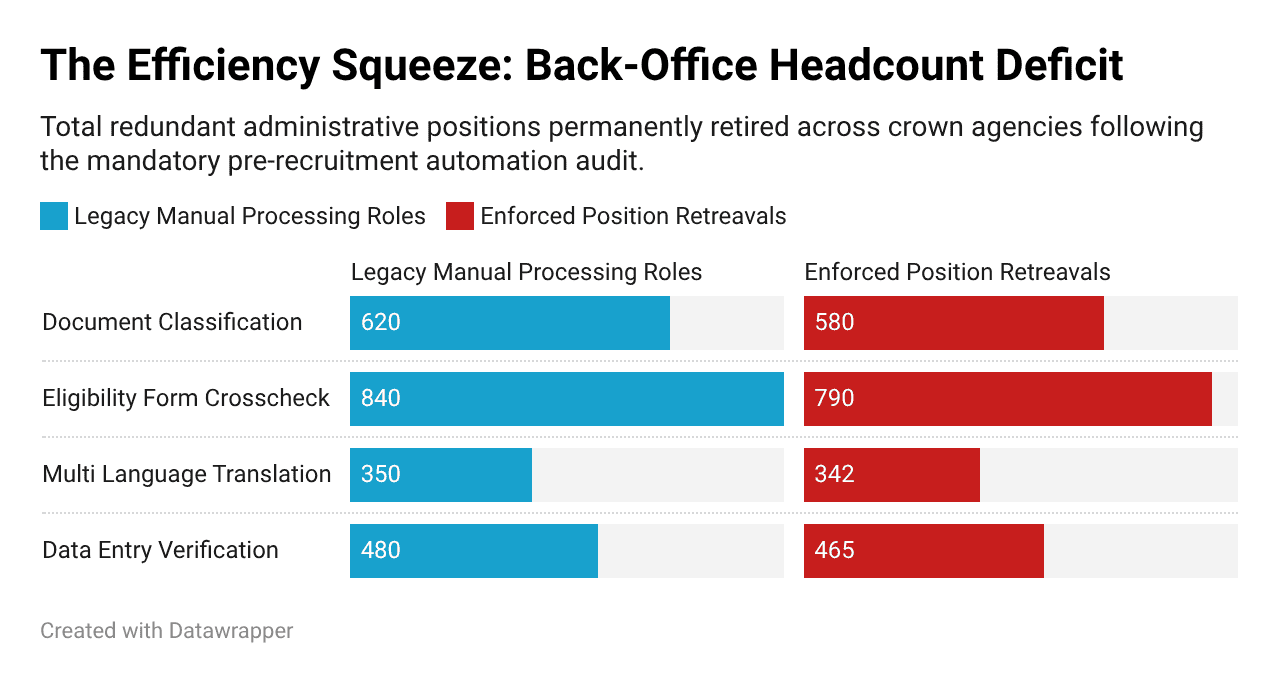
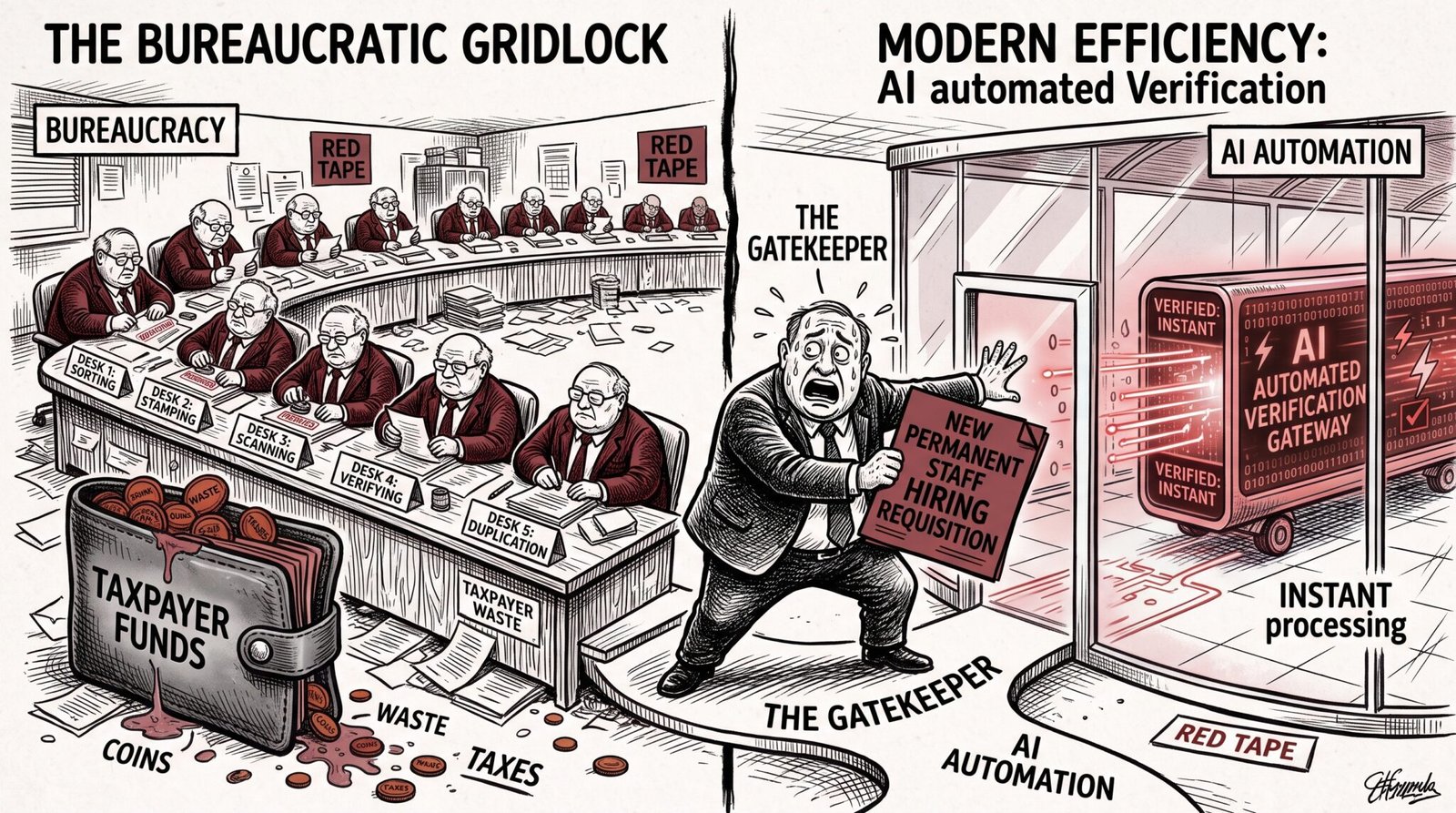
When public-service demand rises, agencies should test AI, automation and simpler processes before adding permanent staff.
AI should handle repetitive administration, while people remain responsible for judgment and accountability.
Evidence:
- The core Public Service had 64,535 FTE staff at 31 March 2026, up 2.1% from March 2025 and 3.0% from June 2025.
- Base salary costs reached about NZ$6.481 billion in the year to June 2025, including NZ$1.265 billion for managers and NZ$1.036 billion for information professionals.
- The government AI work programme includes 15 initiatives across 4 focus areas and runs to 2027, covering search, summaries, routine analysis and high-volume OIA work.
FIXNZ proposes:
- Require an AI and Automation Test before expanding back-office staff.
- Compare automation with the full 5-year cost of new hires.
- Use AI for routine search, classification, translation and case triage.
- Keep humans responsible for rights, penalties, welfare and major spending decisions.
- Publish whether AI reduced costs, errors and backlogs.
- Prevent agencies from buying AI while expanding equivalent teams.
Core claim:
Use AI for scale, people for judgment, and named officials for accountability.


Evidence Cards
Public Service — 64,535 FTE
The core Public Service employed 64,535 full-time-equivalent staff in March 2026, an increase of 1,297 FTE, or 2.1%, in one year.
This followed 62,654 FTE in June 2025 and 63,657 FTE in December 2025.
Lesson for NZ:
Service growth should not automatically produce permanent administrative growth.
Salary Cost — NZ$6.481b
Public Service base salary costs reached about NZ$6.481 billion in 2025.
Of this, managers accounted for approximately NZ$1.265 billion, and information professionals for NZ$1.036 billion.
Lesson for NZ:
Before expanding payroll, agencies should compare staffing costs with automation and shared digital capacity.
Government AI Plan — 15 Initiatives
New Zealand’s Public Service AI Work Programme contains 15 initiatives across 4 focus areas and runs to 2027.
Official guidance already identifies document search, summaries, routine analysis and high-volume OIA work as suitable AI applications, while requiring human oversight and responsible use.
Lesson for NZ:
The missing step is to make AI assessment a normal requirement before expanding repetitive back-office functions.
Evidence Cards
Public Complaints Do Not Guarantee Investigation
Citizens can report concerns, but agencies retain independent discretion over whether an inquiry begins, its scope and when it ends.
Lesson for NZ:
Public access exists, but public priority is not guaranteed.
Evidence Has a High Practical Cost
Strong submissions often require OIA records, timelines, document references and evidence of possible procedural failure.
Private legal or audit work can add substantial time and financial cost.
Lesson for NZ:
Serious public concerns should not depend only on who can afford expert help.
One Portal Could Make Priorities Visible
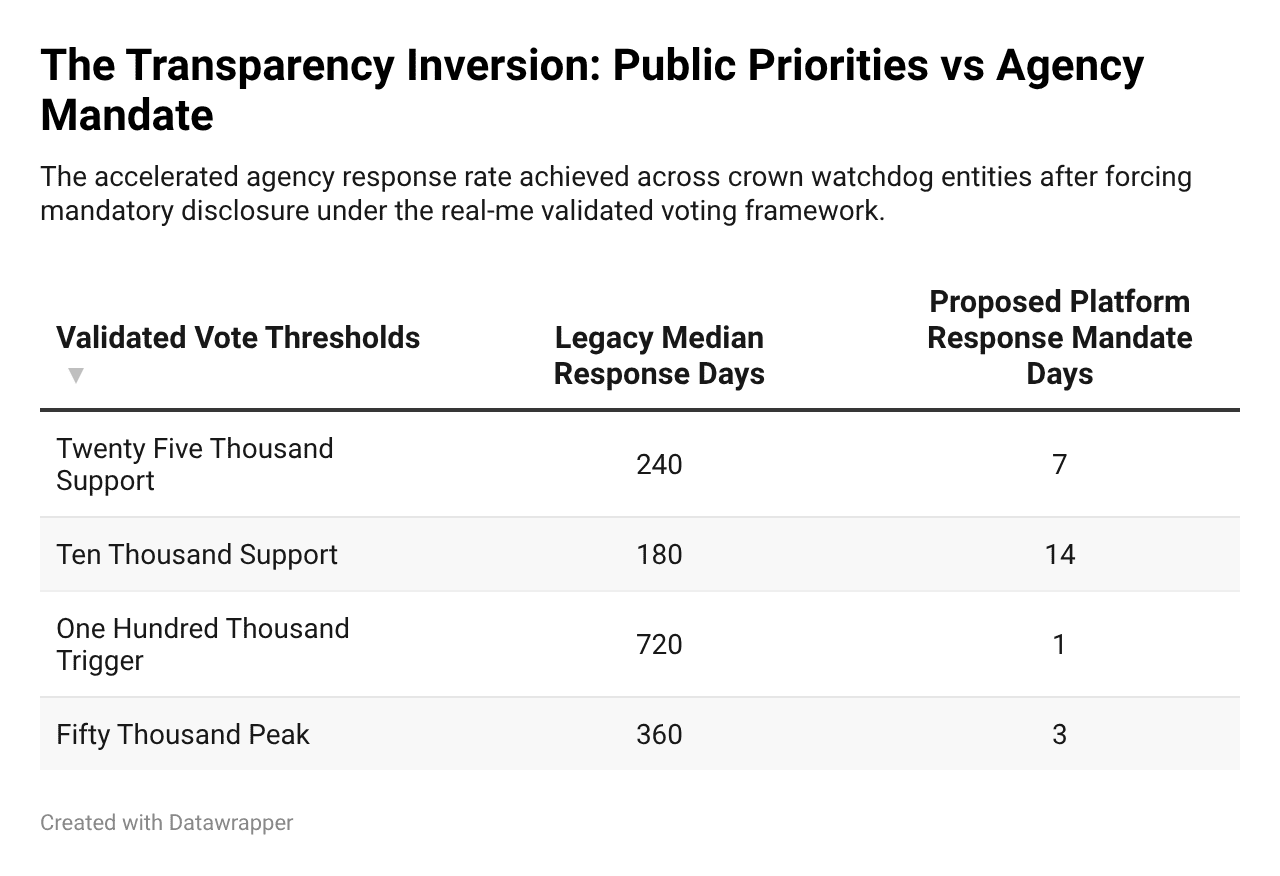
A verified public portal could combine duplicate issues, display support levels and require agencies to explain whether they will assess, refer or decline a matter.
Lesson for NZ:
Voting should set attention and response priority—not determine guilt.
7, Citizens Set Investigation Priorities
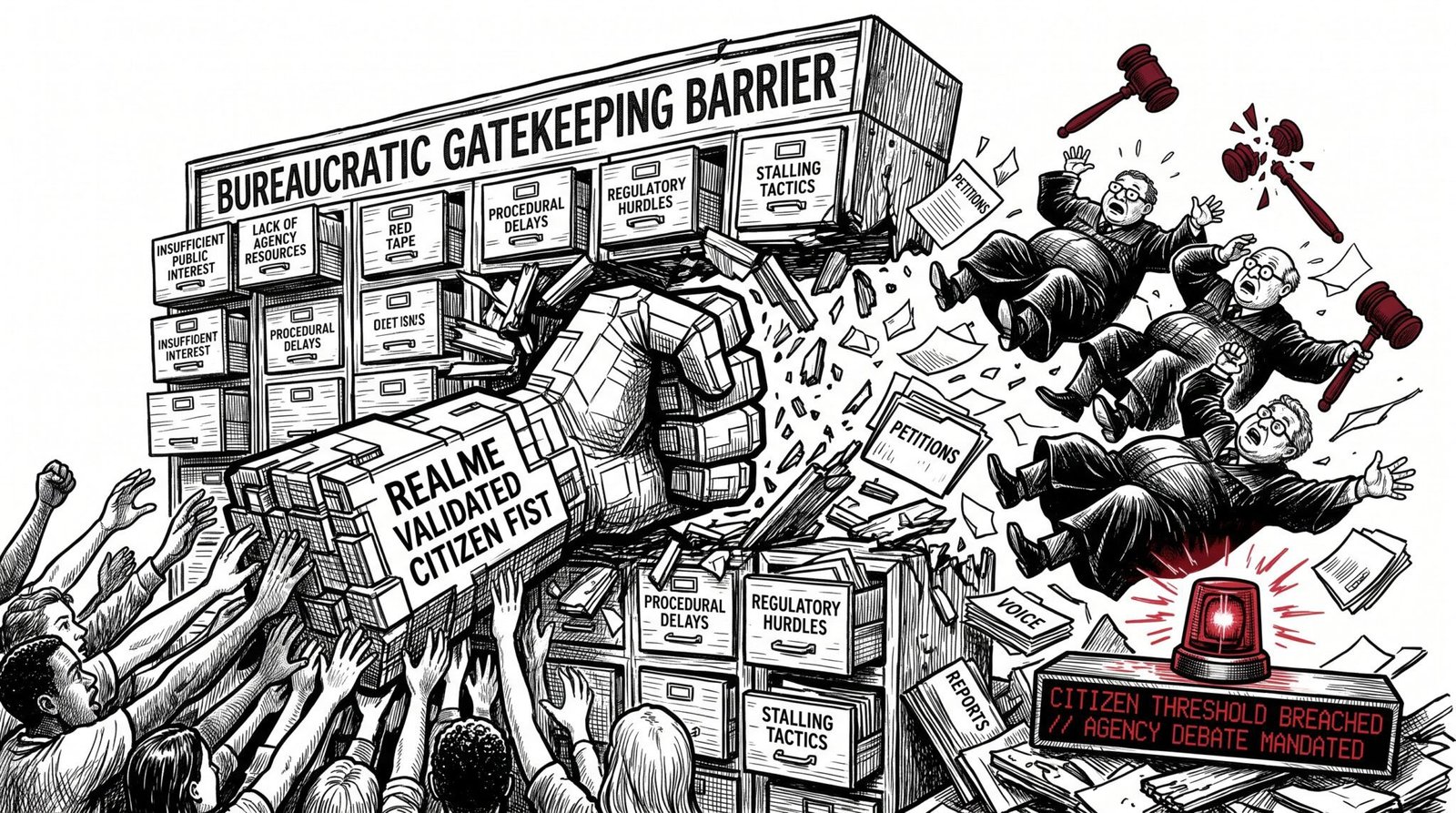
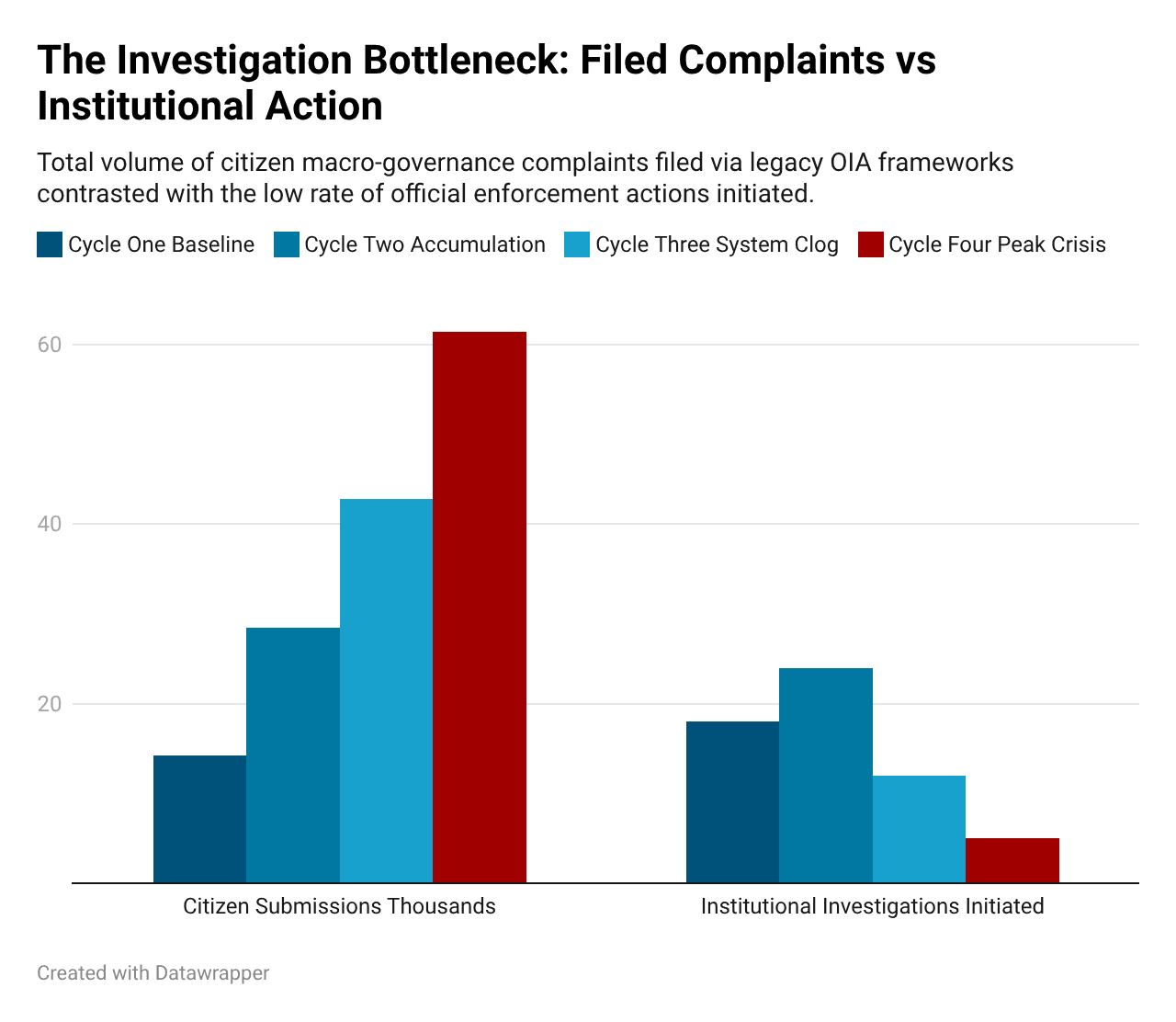
Citizens can submit complaints and evidence, but they cannot require an agency to investigate or prioritise a case.
The Ombudsman, Auditor-General and SFO decide whether to act based on jurisdiction, evidence, public interest and available resources. Important concerns may therefore receive no clear timetable or public response.
Evidence:
- Citizens can use OIA and submit complaints to the Ombudsman, Auditor-General or SFO.
- Agencies control whether an investigation begins, its scope and timing.
- Private investigations lack compulsory powers and can require substantial legal, financial and time resources.
- Public concerns are not currently ranked through a single visible system.
FIXNZ proposes:
- Create one public portal for complaints, OIA records and evidence.
- Use verified voting to rank issues for initial assessment.
- Merge duplicate cases and identify the responsible agency.
- Publish case status, responses and reasons for declining action.
- Require formal responses for high-support issues.
- Leave guilt and final investigation decisions to independent authorities.
Core claim:
Public priorities should be impossible to ignore.
This analysis draws on public information from the Office of the Auditor-General, the Ombudsman, the Public Service Commission, Parliament and other recognised oversight institutions.