






New Zealand Tax and Welfare Reform
FIXNZ examines New Zealand tax and welfare reform through evidence on income security, work incentives, public revenue, household costs and long-term social protection.



Evidence Cards
US — Open spending data exposes waste
Under the DATA Act, USAspending.gov combines federal contracts, grants and loans into a public financial database supported by open APIs and automated analysis.
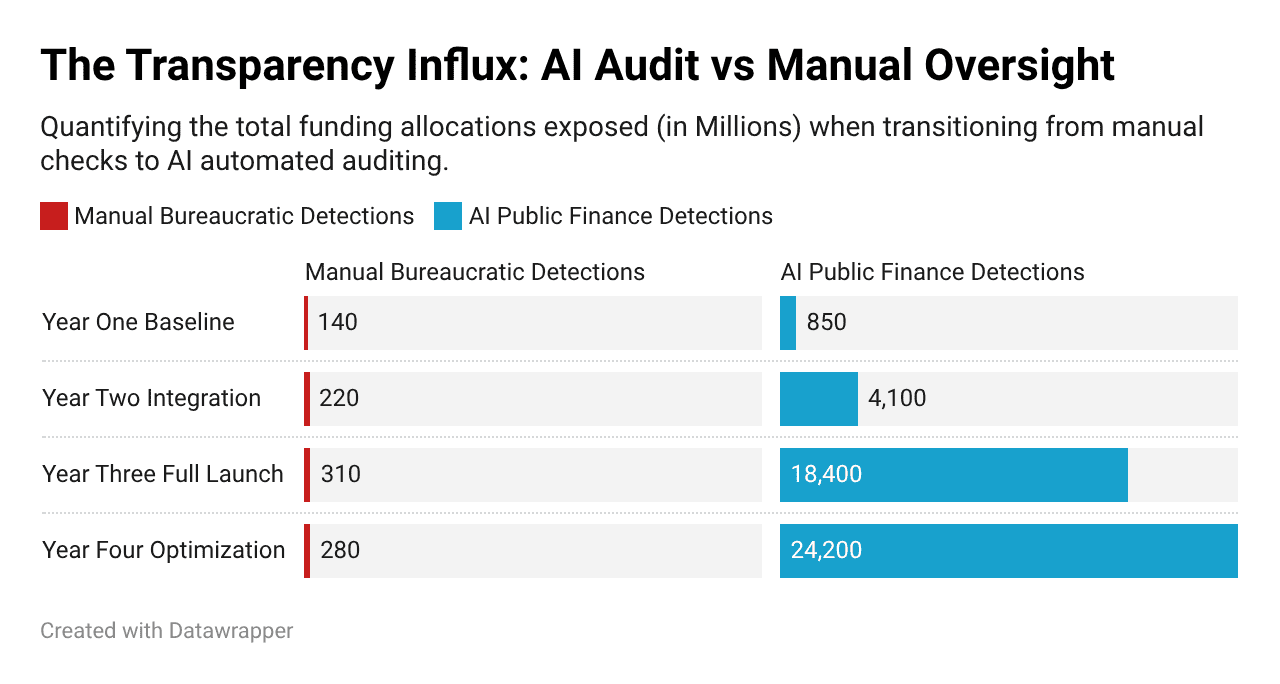
GAO-linked reporting cited more than US$24 billion in duplicate or improper payments identified within a single year through stronger data matching and public scrutiny.
Lesson for NZ: Open financial data and automated cross-checking can expose waste that traditional reporting misses.
UK — AI links spending to results
The UK National Audit Office has expanded digital analysis of public spending, comparing departmental budgets with promised and actual policy outcomes.
Source material reports that automated analysis identified more than 14% of spending as inefficient, helping target programmes that delivered weak results.
Lesson for NZ: Government spending should be measured against outcomes, not merely whether the budget was spent.
EU — Data tracing recovers public money
The European Anti-Fraud Office uses cross-border financial data to trace shell companies, intermediaries and suspicious funding flows.
In one recent audit cycle, the system reportedly supported the recovery of more than €850 million in misused public funds.
Lesson for NZ: AI-assisted financial tracing can uncover complex fraud across agencies, companies and funding layers.
1. Public Money Must Be Accountable
Government may tax and spend, but the public must be able to see where the money comes from, where it goes, and what results it produces.
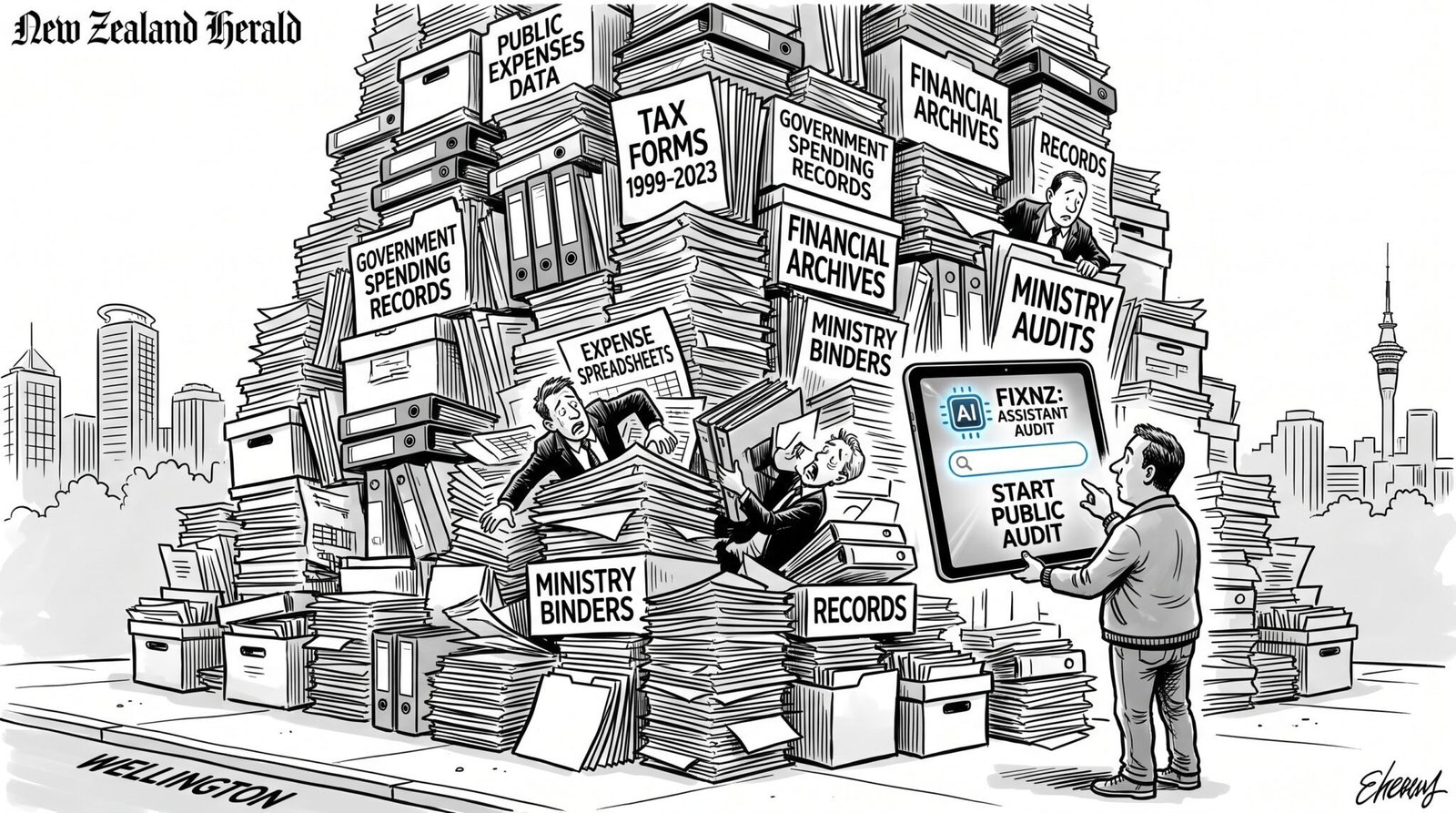
FIXNZ proposes a public AI Fiscal Search System that allows citizens to search government contracts, grants, loans, agencies, suppliers and policy outcomes in one place.
FIXNZ proposes
- Publish public spending in searchable, standardised data.
- Connect contracts, grants and loans to agencies, suppliers and policy results.
- Use AI to detect duplicate payments, abnormal spending and hidden ownership links.
- Allow the public, journalists and researchers to query the data directly.
- Place the system under an independent anti-corruption framework.
Core claim
Public money should be searchable, traceable and measurable.
New Zealand mechanism
Anti-Corruption Taskforce — Build the public system
New Zealand’s Anti-Corruption Taskforce brings together the Serious Fraud Office, Police and Public Service Commission.
FIXNZ proposes that it lead the development of a public AI fiscal-search platform—not only investigate corruption after the money is lost.
2, Work Must Not Be Punished
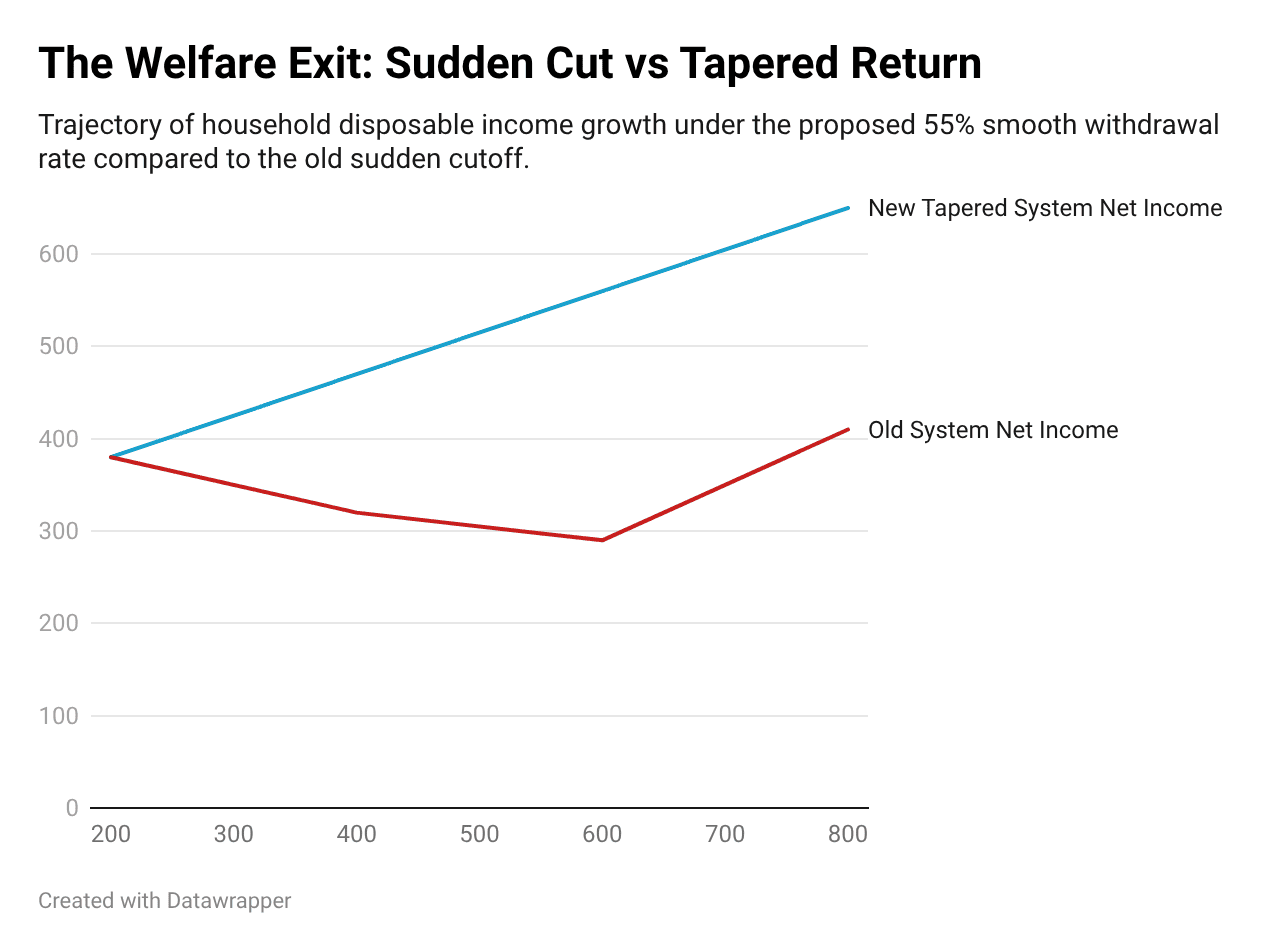
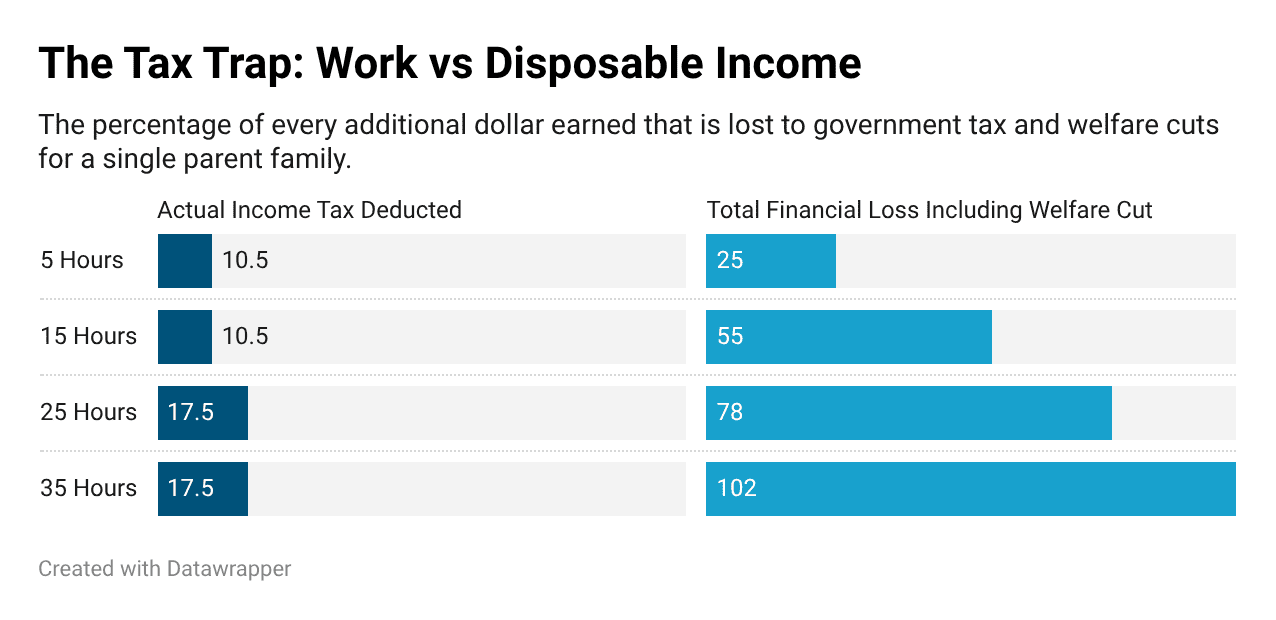
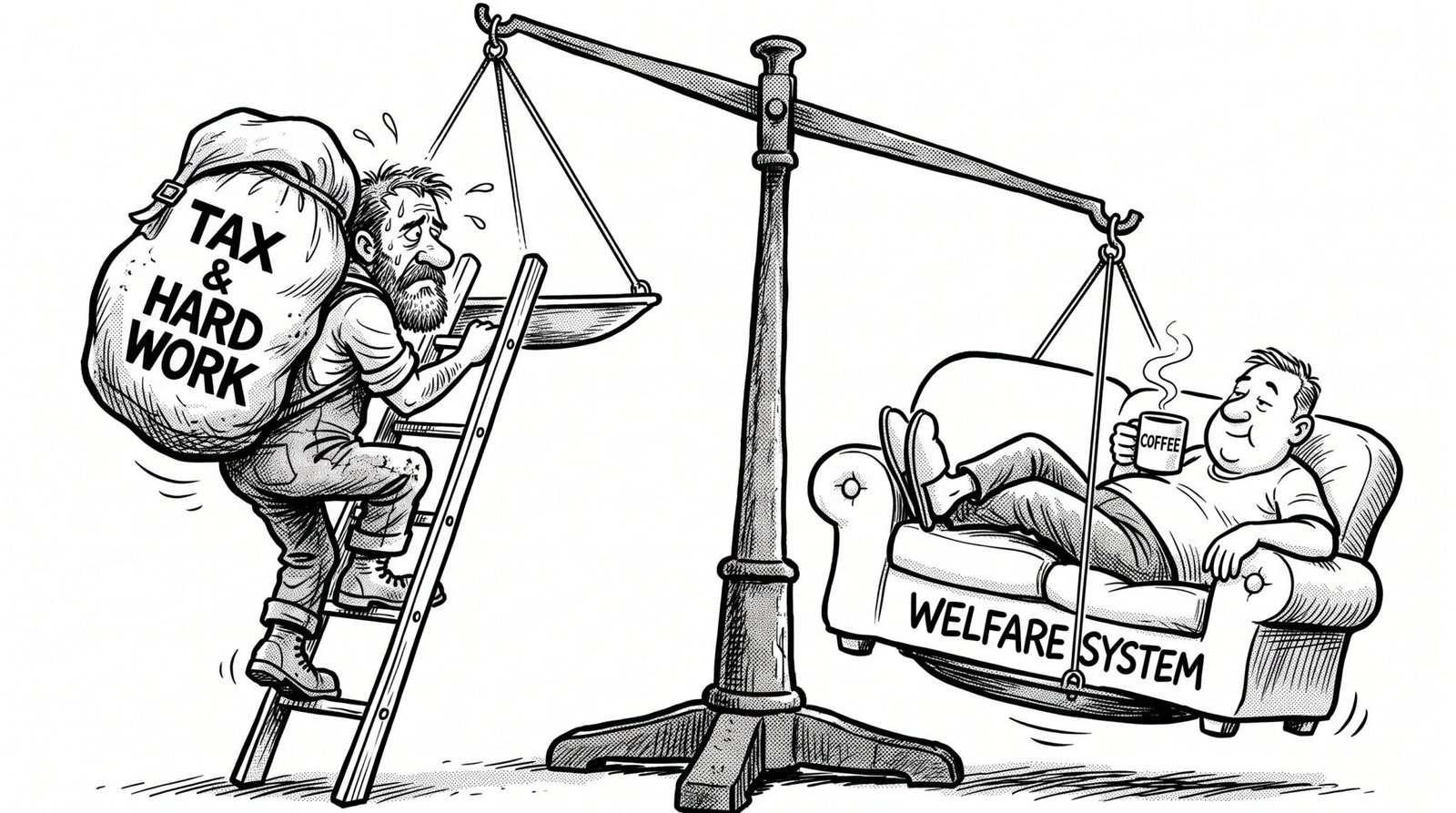
The problem is not only tax rates. When tax, welfare withdrawal and housing support interact badly, earning more can leave a household with little or no extra disposable income.
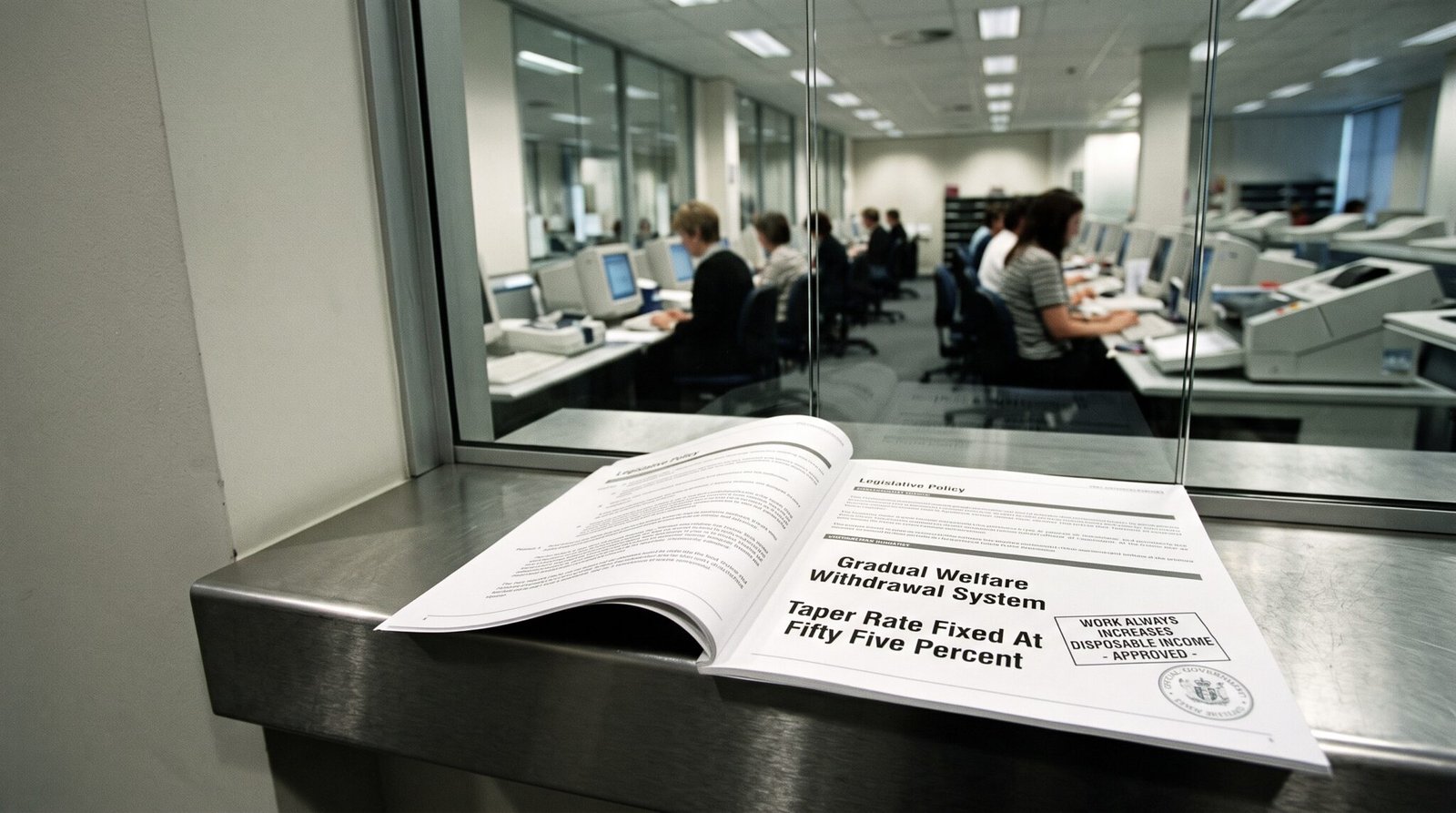
FIXNZ proposes a slow welfare withdrawal system so that every additional hour of work produces a clear increase in take-home income.
Evidence
- New Zealand Treasury research found that around 30% of sole-parent families face effective marginal tax rates above 50%.
- Some households face rates above 100%, meaning extra work can reduce their net financial position.
- The main problem is the combined effect of tax, welfare withdrawal and housing assistance.
FIXNZ proposes
- Replace sharp welfare cut-offs with a gradual taper.
- Guarantee that extra work always increases disposable income.
- Publish effective marginal tax rates across different household types.
- Review tax, welfare and housing support as one combined system.
- Reduce long-term cash dependency for people who are able to work.
Core claim
Every extra hour of work should leave a household better off.


Evidence Cards
UK — Welfare tapers preserve work incentives
Universal Credit uses a 55% taper rate. For every additional £1 earned, benefits fall by 55 pence, allowing the worker to keep 45 pence.
DWP figures cited in the source material report that more than 700,000 households moved from full welfare dependency into partial work and tax contribution.
Lesson for NZ: Welfare should reduce gradually, not disappear suddenly when someone works more.
Germany — Sanctions move able recipients toward work
Germany can reduce cash benefits by up to 30% when an able recipient repeatedly refuses interviews, training or suitable work without valid reason.
Official figures cited in the source material report that more than 124,000 long-term recipients entered training or returned to work within six months of tighter enforcement.
Lesson for NZ: Gradual welfare withdrawal should be combined with clear obligations for people who are able to work.
Denmark — Time limits increase return to employment
Germany can reduce cash benefits by up to 30% when an able recipient repeatedly refuses interviews, training or suitable work without valid reason.
Official figures cited in the source material report that more than 124,000 long-term recipients entered training or returned to work within six months of tighter enforcement.
Lesson for NZ: Gradual welfare withdrawal should be combined with clear obligations for people who are able to work.



Evidence Cards
Germany — Cash sanctions restore participation
Germany can reduce cash benefits by up to 30% when an able recipient repeatedly refuses interviews, training or suitable work without good reason.
Your source material reports that more than 124,000 long-term recipients entered training or returned to work within six months of tighter enforcement.
Lesson for NZ: Basic needs can remain protected while cash support is linked to genuine participation.
Denmark — Shorter limits increase re-employment
Denmark reduced the maximum unemployment-benefit period from five years to two years and linked support to active weekly job-search requirements.
Research cited in the report found that employment return rates increased by 45% as recipients approached the benefit cut-off.
Lesson for NZ: Welfare should provide temporary security with a clear deadline and route back to work.
Australia — Mutual obligation reduces dependency
Australia requires many work-capable recipients to participate in job search, training or community activity under mutual-obligation rules.
The source material reports that more than 22% of applicants withdrew from long-term cash claims after work obligations were introduced.
Lesson for NZ: Public support should be tied to active effort for people who are capable of working.
3, Welfare Must Not Become Permanent Cash Income
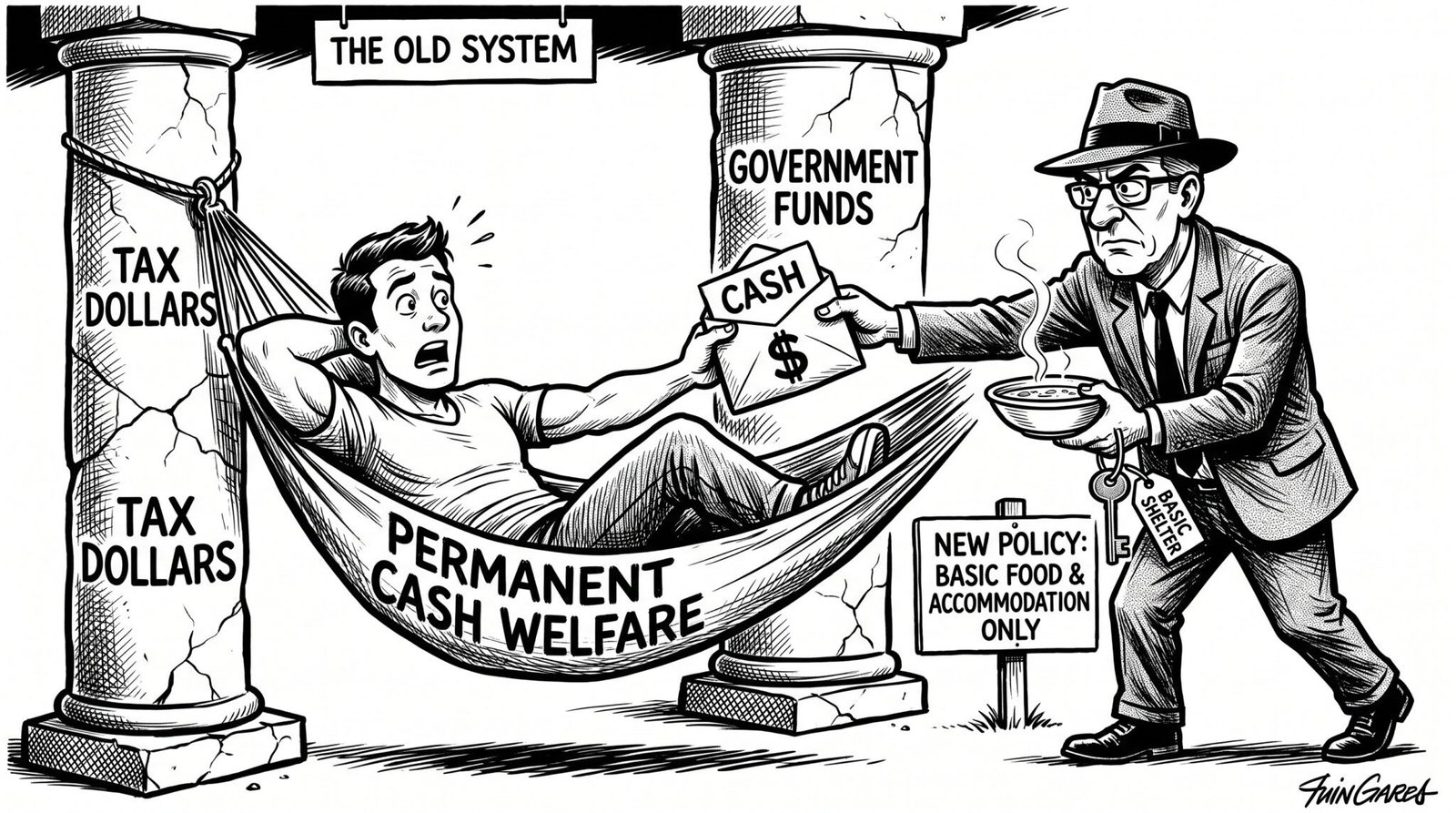
Welfare should help people through hardship, not become a permanent cash income for those who are able to work.
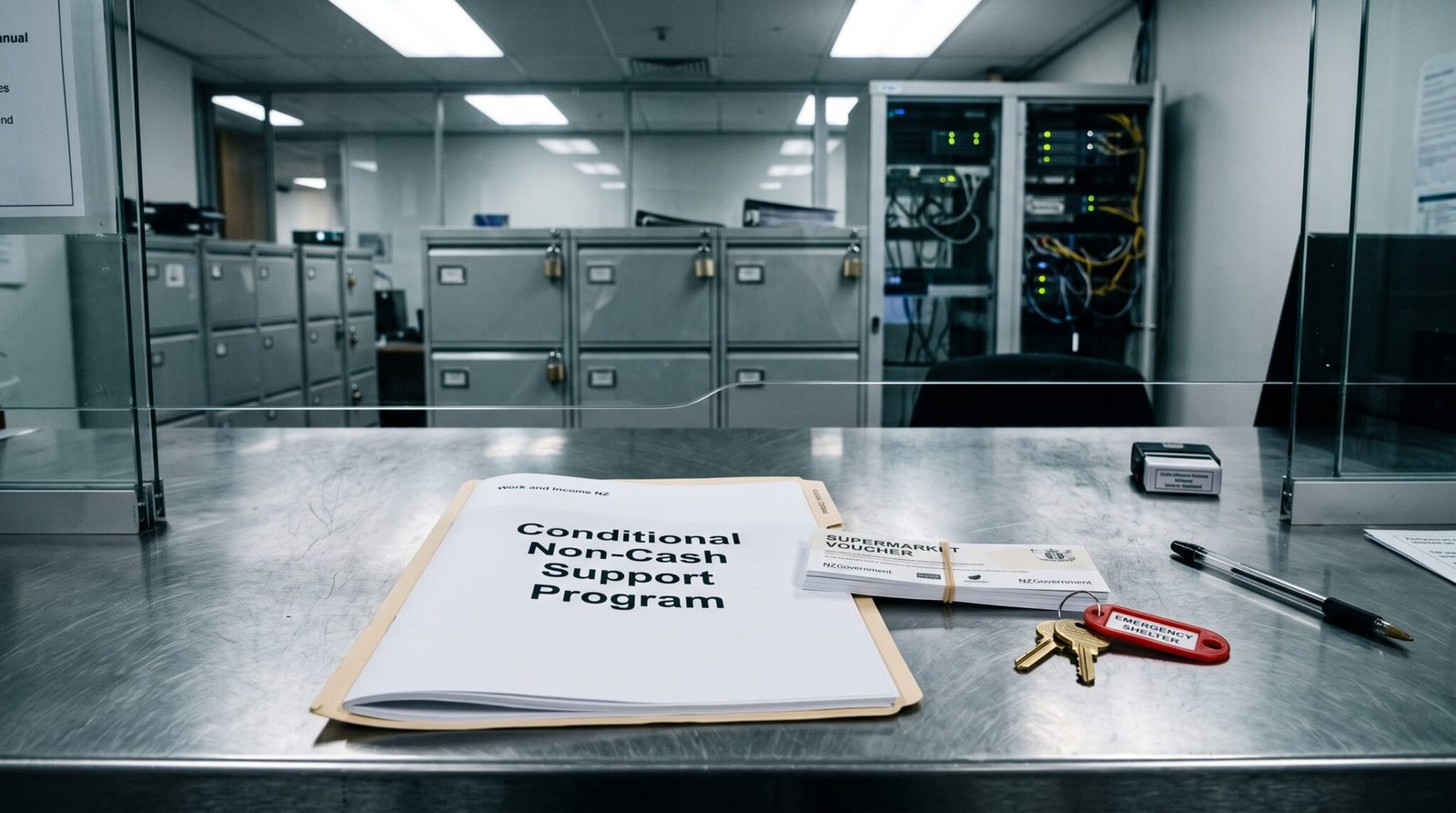
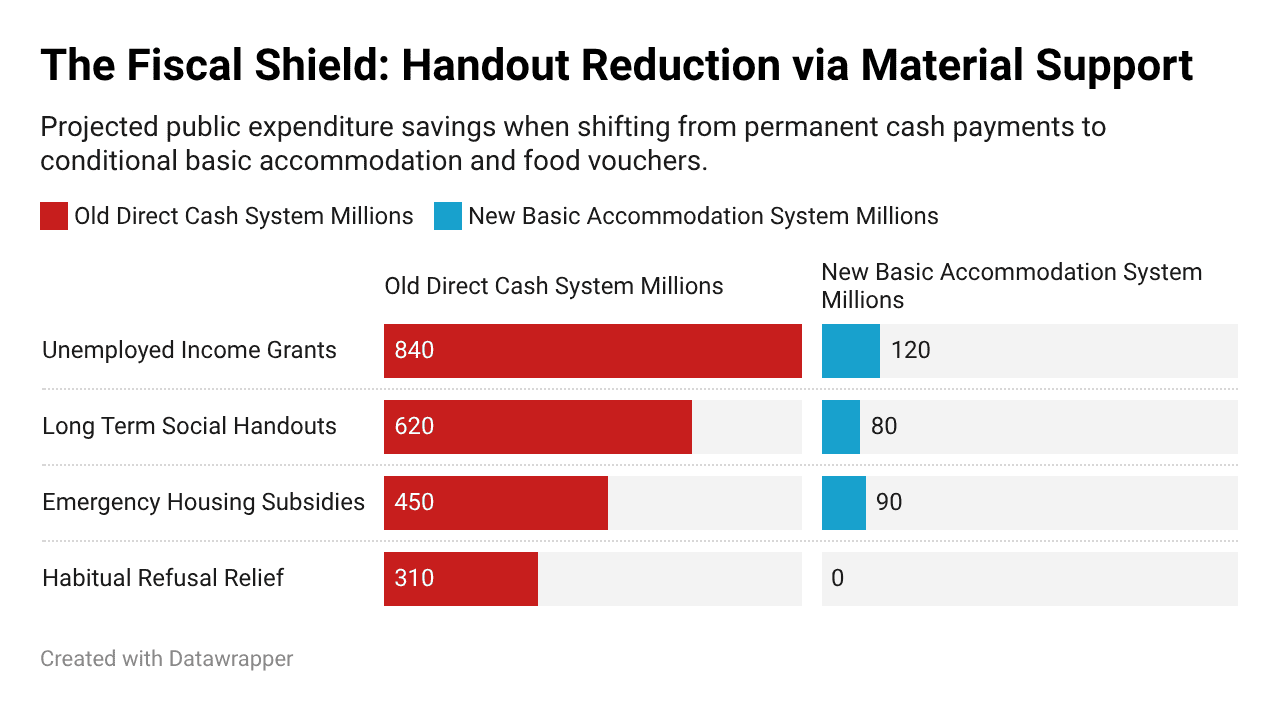
Long-term support should shift toward housing, food, healthcare, training and employment assistance. People who can work but repeatedly refuse reasonable opportunities should not continue receiving unrestricted cash payments.
Evidence
- Unlimited cash support can weaken the incentive to return to work.
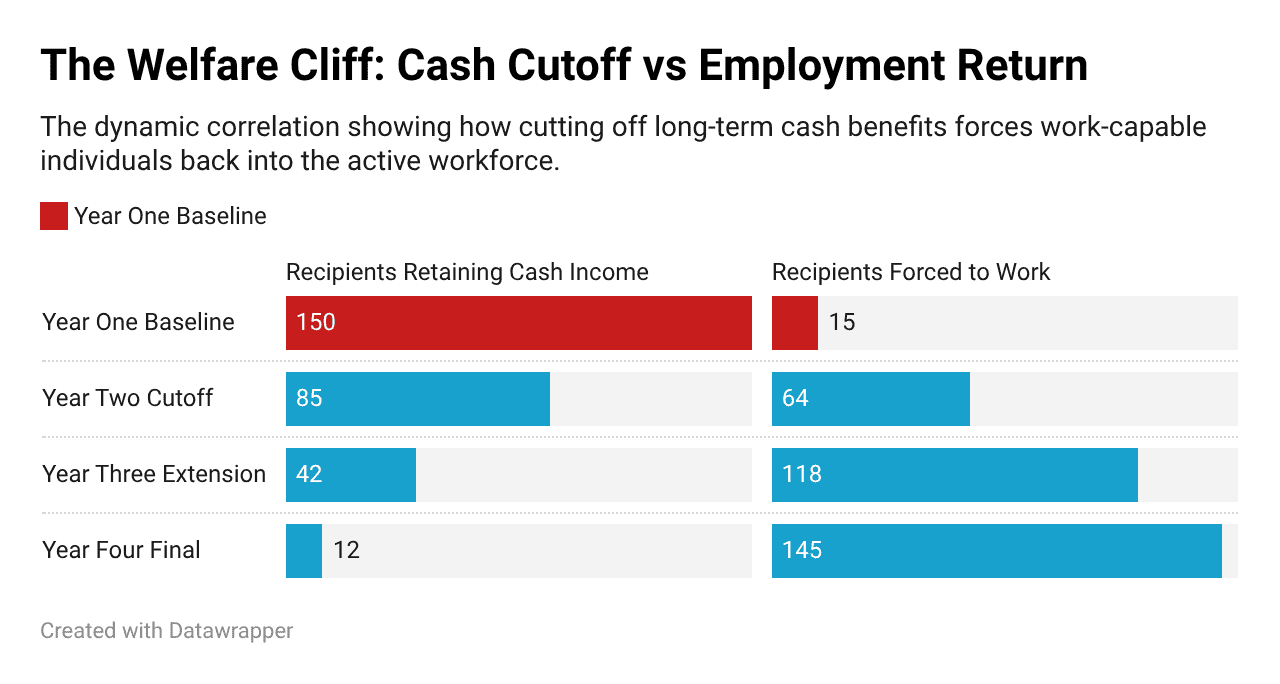
- Time limits and participation requirements can increase employment re-entry.
- Housing, food and medical support can protect basic needs without creating permanent cash dependency.
- Training and work obligations can turn welfare from passive support into a route back to employment.
FIXNZ proposes
- Limit long-term unrestricted cash welfare for people who are able to work.
- Require participation in interviews, training, job search or suitable work.
- Reduce or suspend cash payments after repeated unjustified refusal.
- Continue basic housing, food and healthcare support.
- Review long-term cases regularly and connect support to employment pathways.
Core claim
Protect basic needs, but do not provide permanent cash income to people who are able to work and repeatedly refuse to do so.
4, Welfare Must Reach Those Who Need It Most
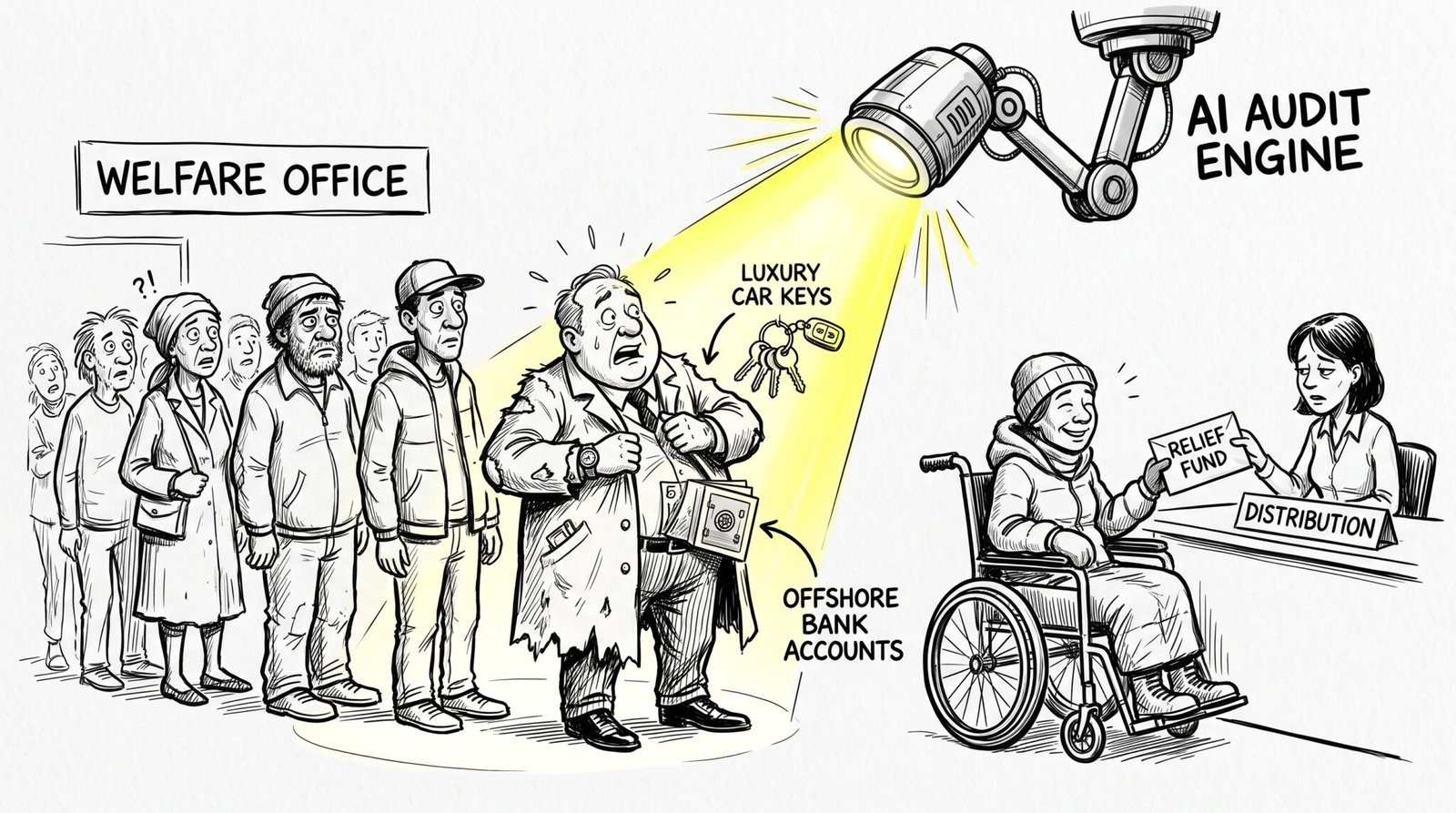
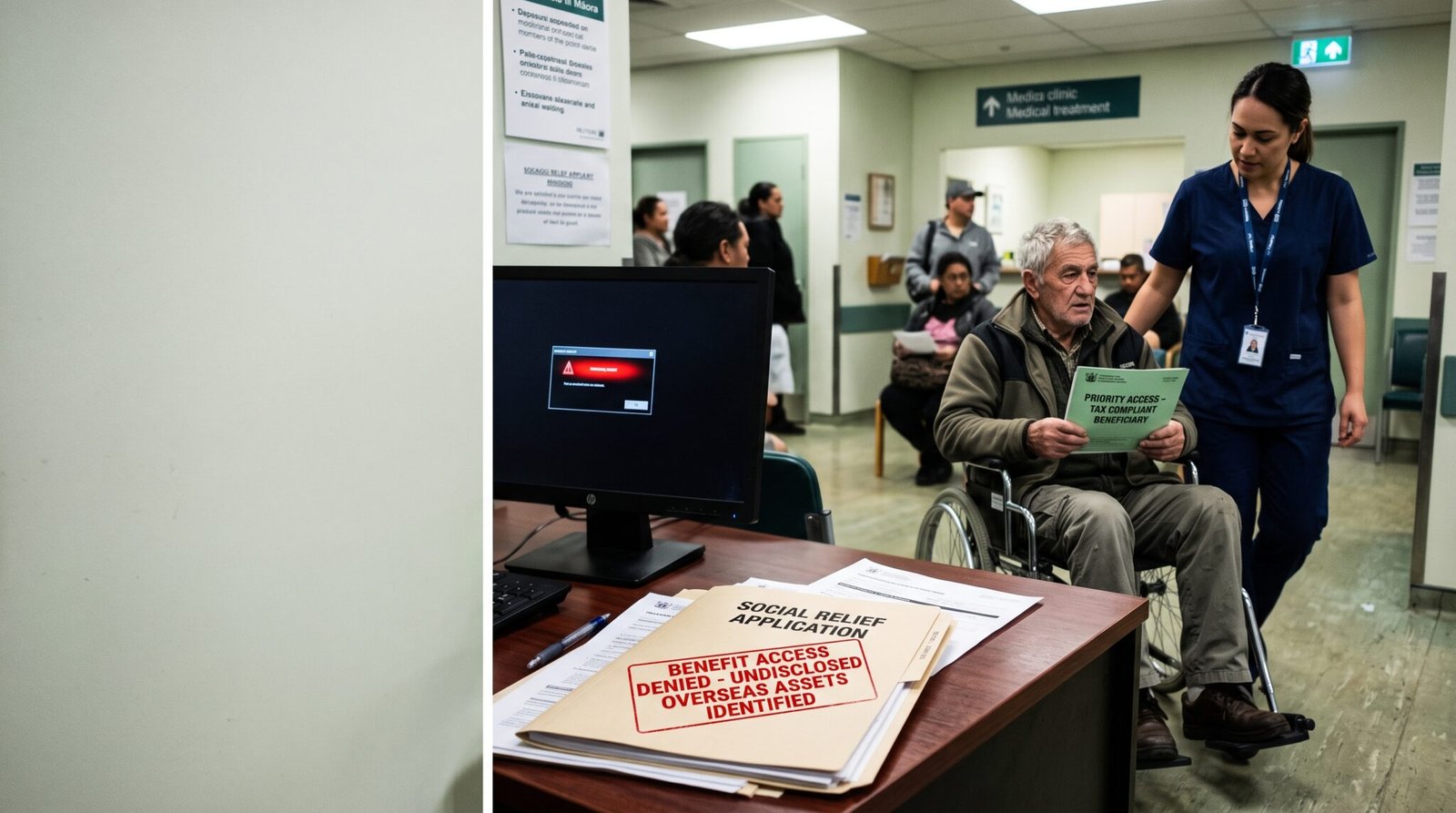
Limited public resources should first protect people with severe disabilities, long-term illness, temporary unemployment or genuine retraining needs.
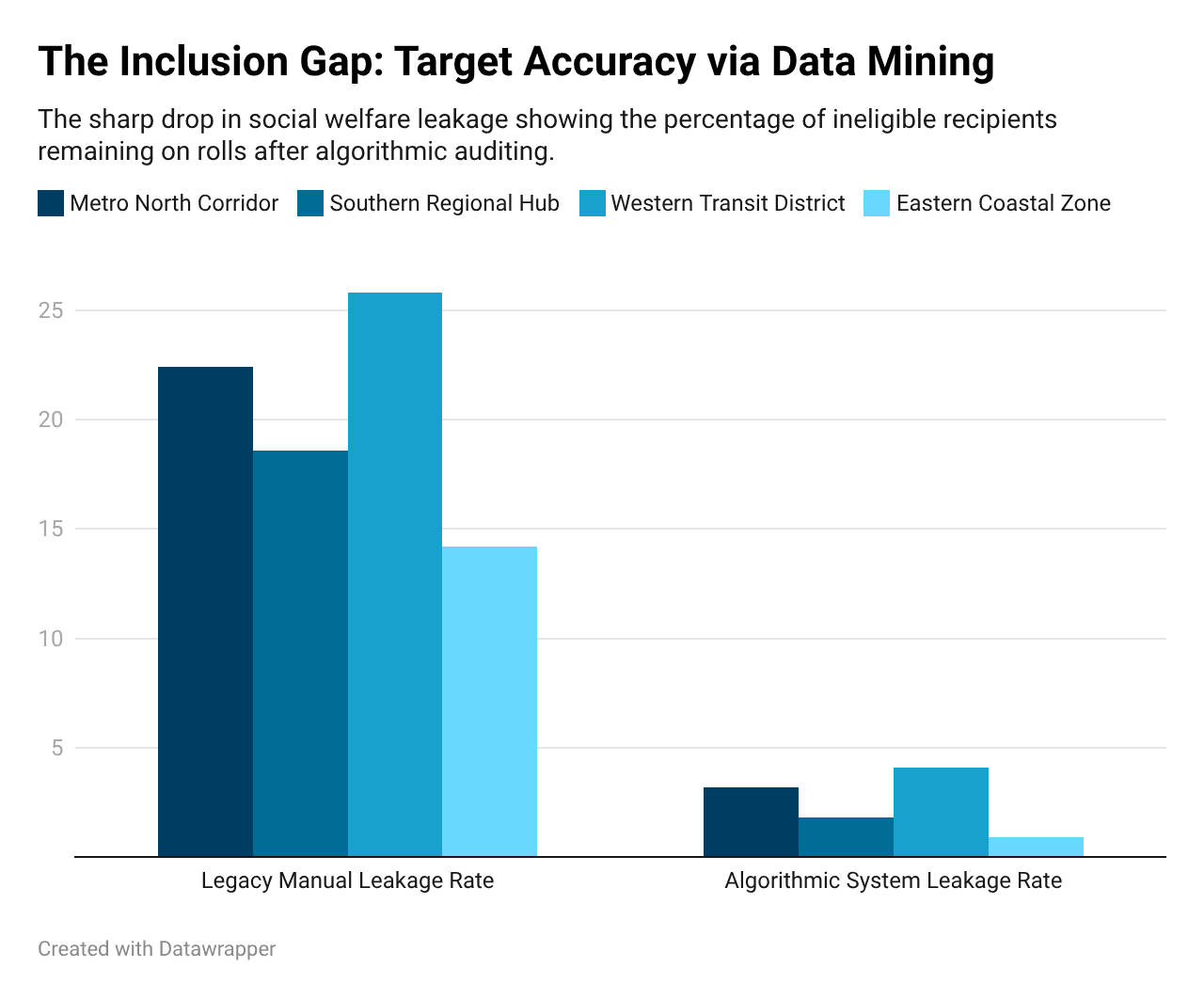
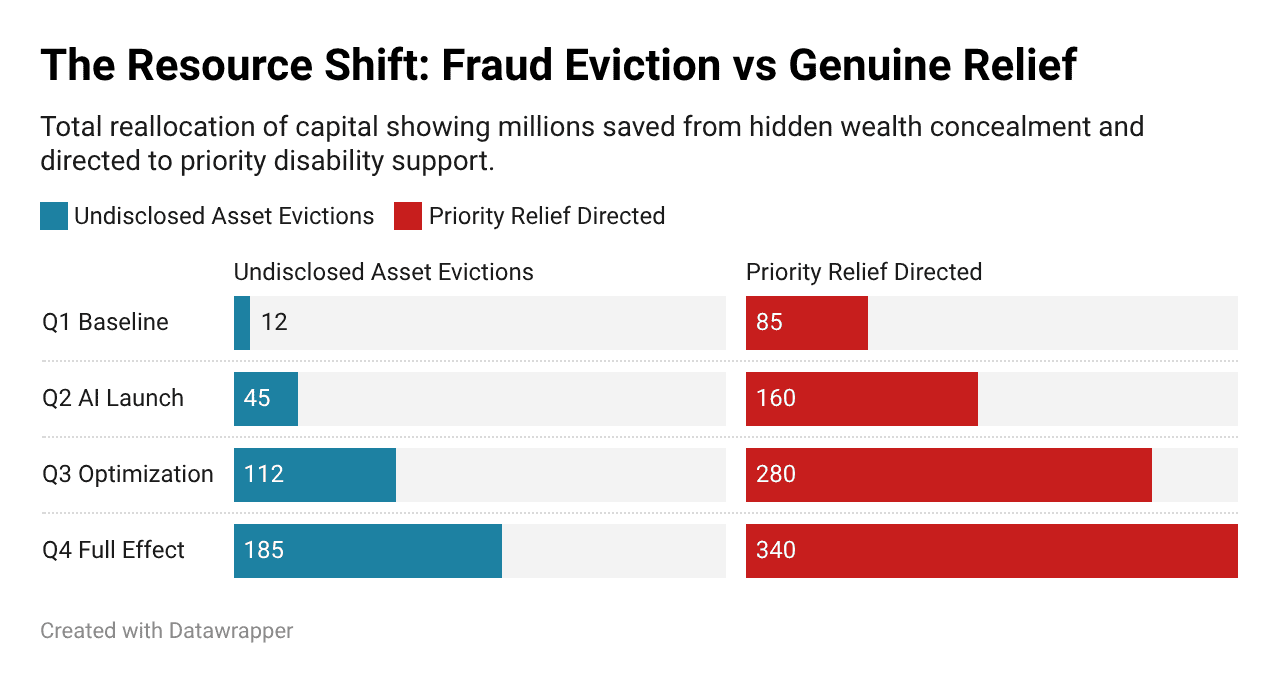
FIXNZ proposes using secure data analysis to compare income, assets, spending, medical evidence and employment history, so support goes to people with real need rather than hidden means.
Evidence
- Manual checks can miss undeclared income, assets and duplicate claims.
- Poor targeting wastes funds needed for disability, illness and temporary hardship.
- Data matching can identify fraud and incorrect payments earlier.
- Better targeting allows more support for genuine high-need cases.
FIXNZ proposes
- Build a secure national welfare eligibility-checking system.
- Cross-check declared income, assets, property and benefit records.
- Prioritise severe disability, long-term illness and temporary hardship.
- Review suspicious claims before approving non-essential cash support.
- Publish fraud, error and recovery results regularly.
Core claim
Welfare should be based on verified need—not incomplete declarations.


Evidence Cards
US — Hidden assets detected
Automated eligibility checks in Texas and Indiana reportedly identified undeclared assets or side income in 18% of reviewed applications.
The systems were reported to save more than US$320 million a year, allowing more funding to remain available for medical and disability support.
Lesson for NZ: Better asset and income checks can protect funding for genuinely vulnerable people.
UK — Data matching stops errors
The UK National Fraud Initiative cross-checks payroll, property, pension, health and benefit records across public agencies.
One review cycle reportedly identified more than 48,000 improper claims and prevented around £450 million in incorrect payments.
Lesson for NZ: Cross-agency data matching can detect duplicate and incompatible claims earlier.
France — Fraud detection improved
France’s family-benefit agency uses data mining to identify abnormal claims and direct investigators toward higher-risk cases.
The programme reportedly increased fraud-detection accuracy by 32% and recovered about €360 million in one year.
Lesson for NZ: Risk-based analysis can reduce fraud while focusing human review on the most suspicious cases.


Evidence Cards
New Zealand — Pre-election spending pressure
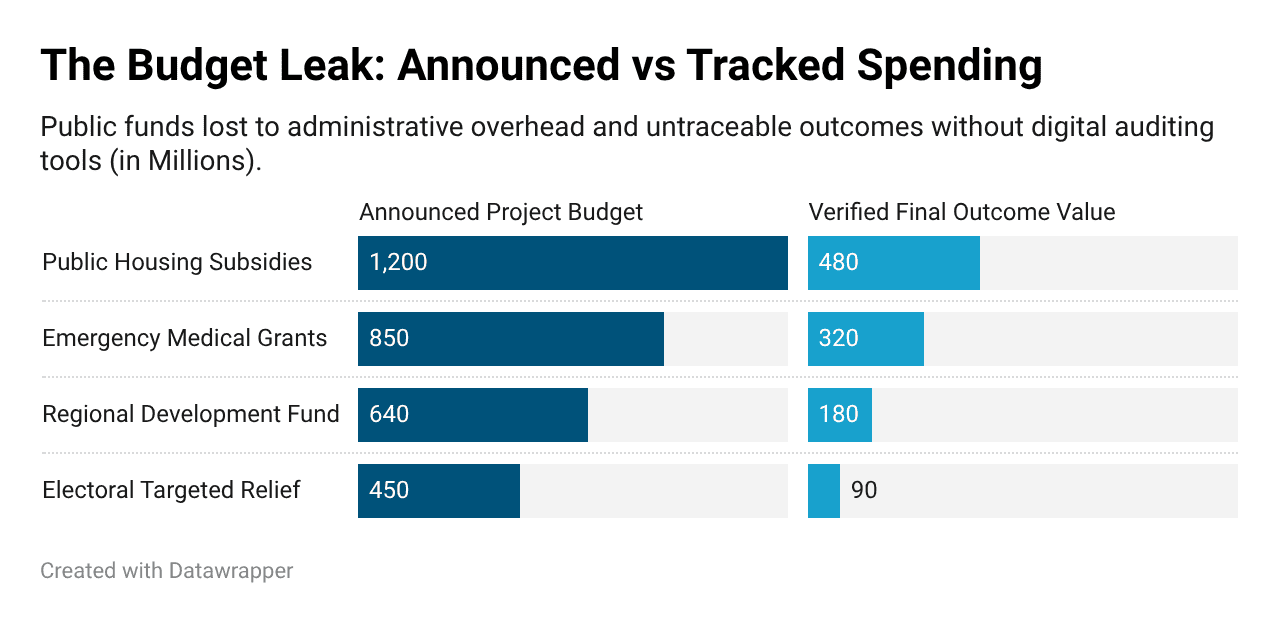
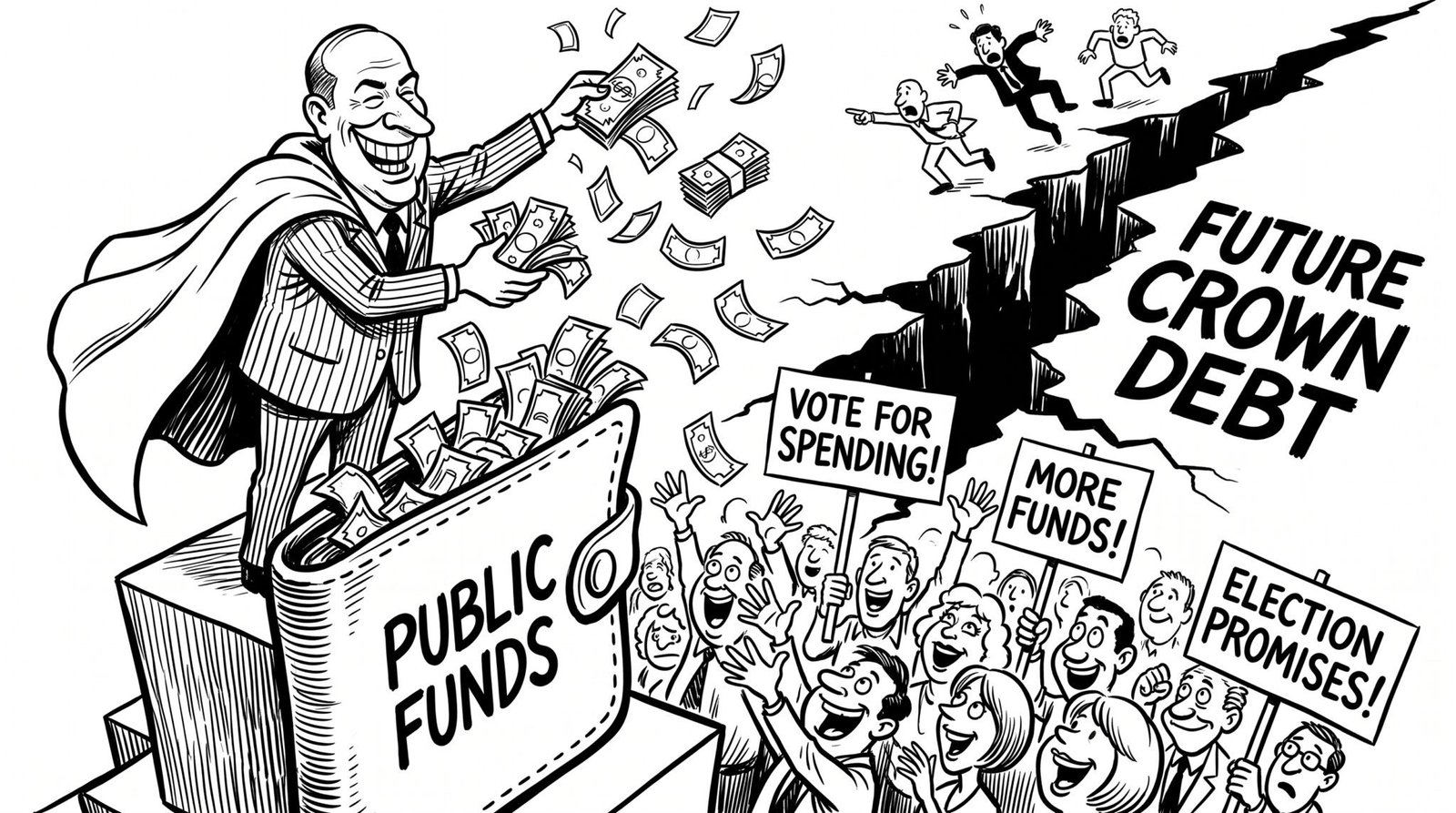
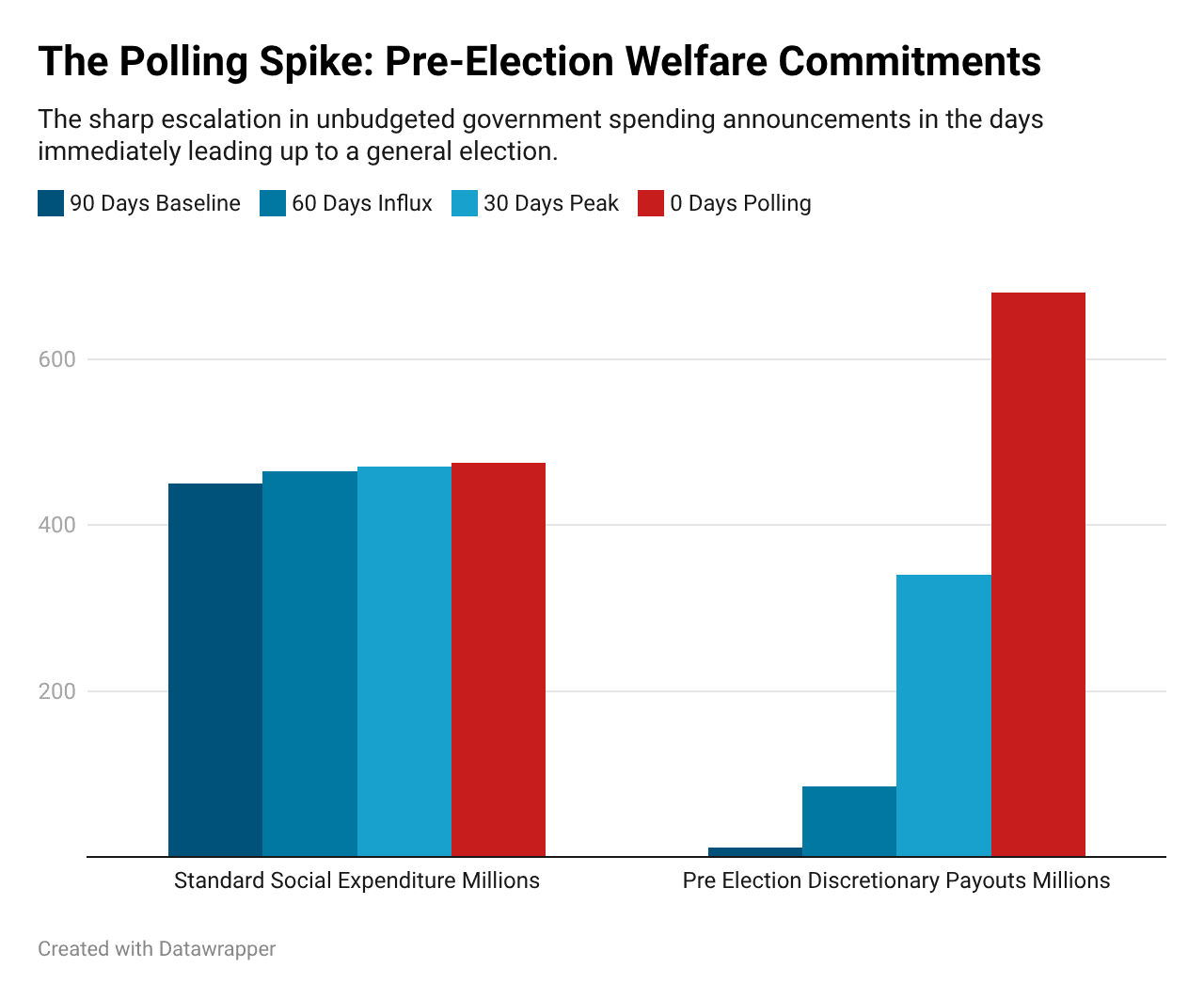
The source material reports that targeted pre-election measures added nearly NZ$1 billion to core fiscal deficits across past election cycles.
Lesson for NZ: Major welfare promises should face independent costings before voters are asked to support them.
Ireland — Independent review cuts unfunded promises
Ireland’s independent fiscal oversight reportedly reduced welfare proposals without credible funding by 60% after stronger pre-election scrutiny was introduced.
Lesson for NZ: Independent costing can force parties to explain how promises will be paid for.
Sweden — Fiscal oversight protects balance
Sweden’s Fiscal Policy Council reviews election-year proposals for fairness, affordability and long-term taxpayer impact.
The source material reports no major election-year welfare expansion that broke fiscal balance over the past 30 years.
Lesson for NZ: Permanent independent oversight can reduce short-term political use of welfare.
5, Welfare Must Not Become a Political Tool
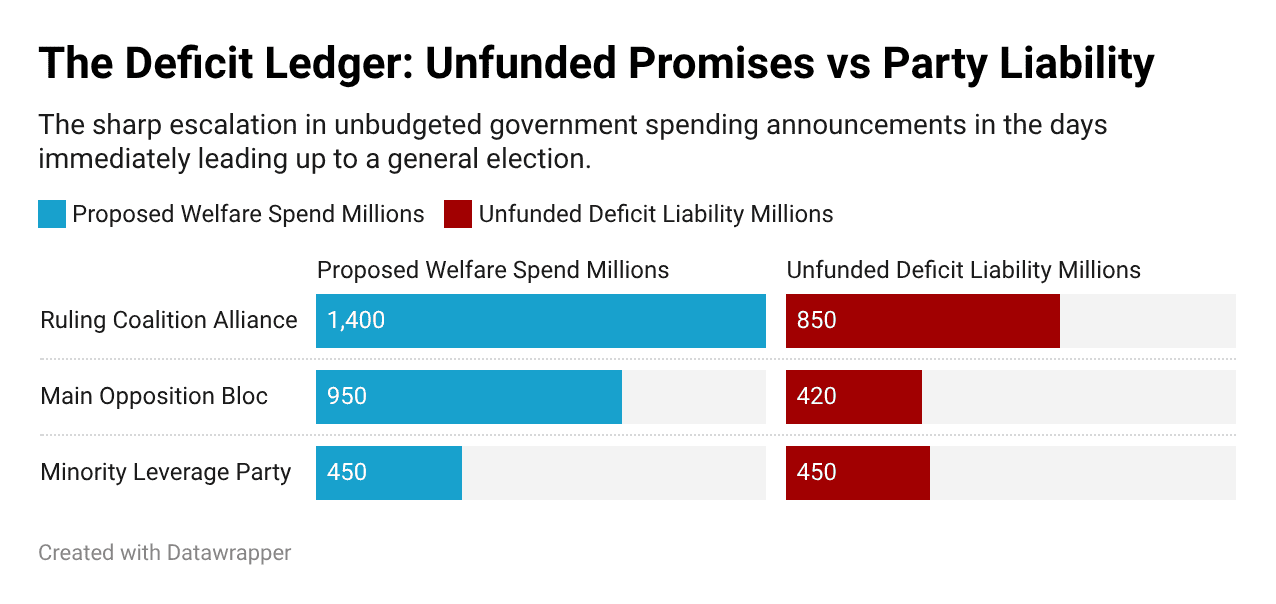
Welfare should protect people in genuine need—not be used to buy support, target favoured groups or improve a party’s election prospects.
FIXNZ proposes independent fiscal review of major welfare promises before elections, with full disclosure of cost, funding source and long-term impact.
Evidence
- Targeted welfare promises can create conflicts between public need and party interest.
- Election-period spending can shift costs onto future taxpayers.
- Independent review can expose unfunded or weakly targeted promises.
- Welfare policy should be judged by need, fairness and results—not electoral value.
FIXNZ proposes
- Require independent review of major welfare promises before elections.
- Publish the full cost, funding source and long-term fiscal impact.
- Apply the same transparency rules to all parties.
- Identify targeted schemes that favour narrow voter groups.
- Record who proposed, approved and funded each major programme.
Core claim
Public welfare must serve public need—not party advantage.
6, Welfare Must Not Exceed Tax Contribution
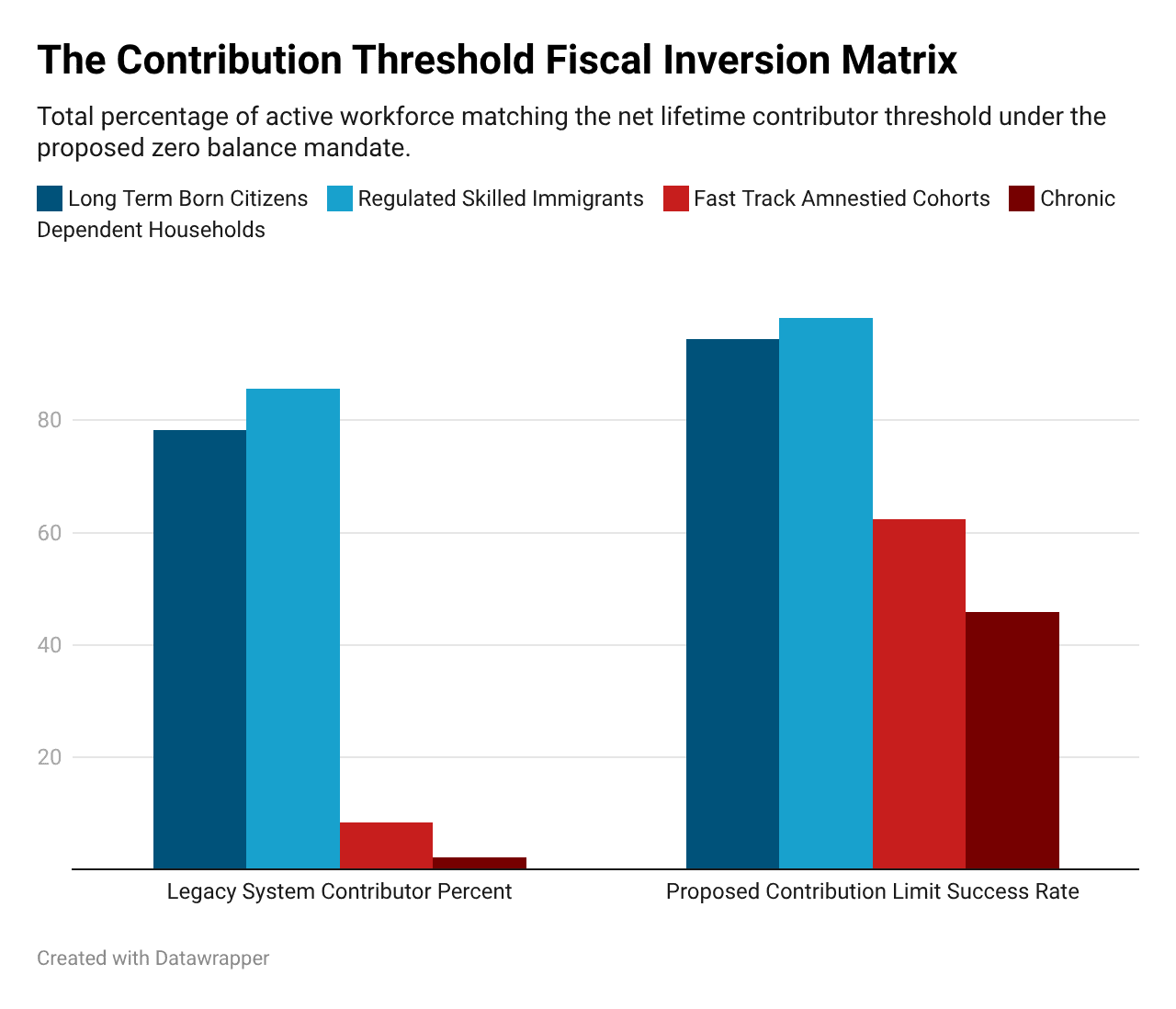
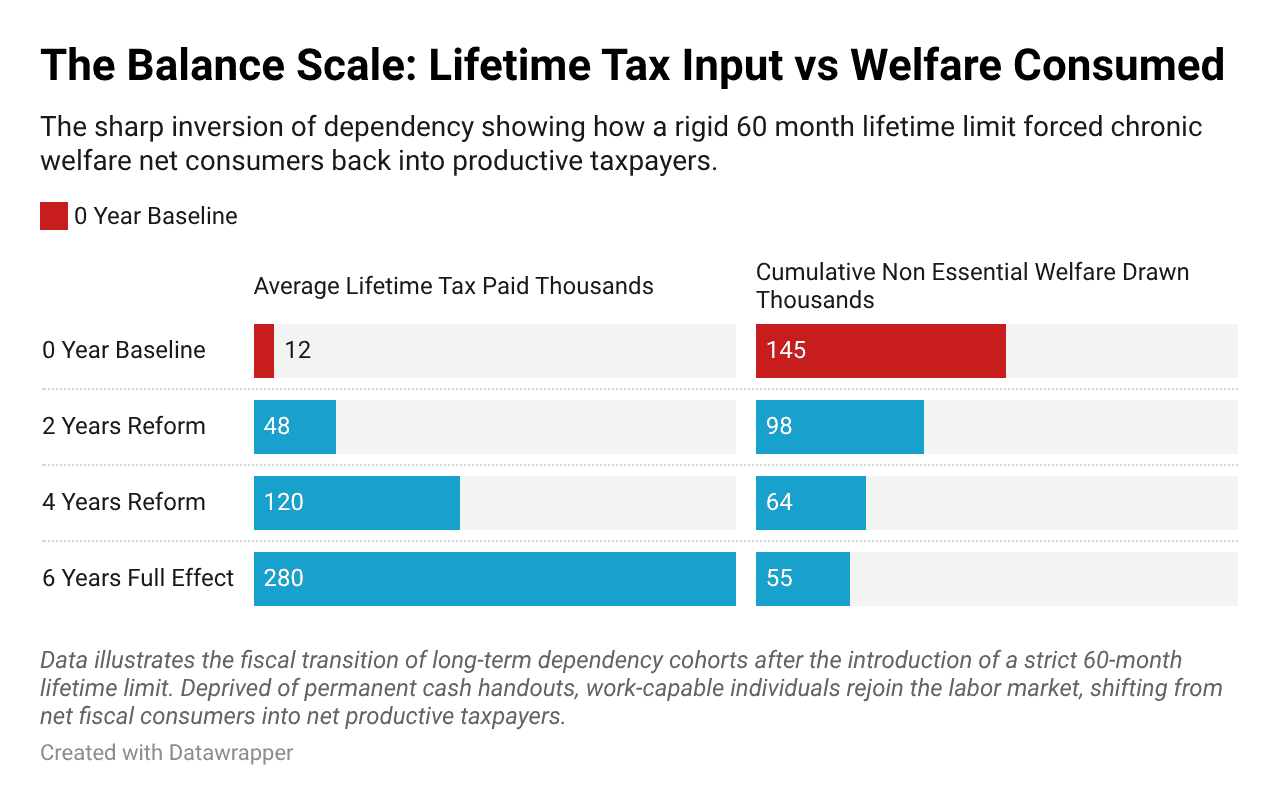
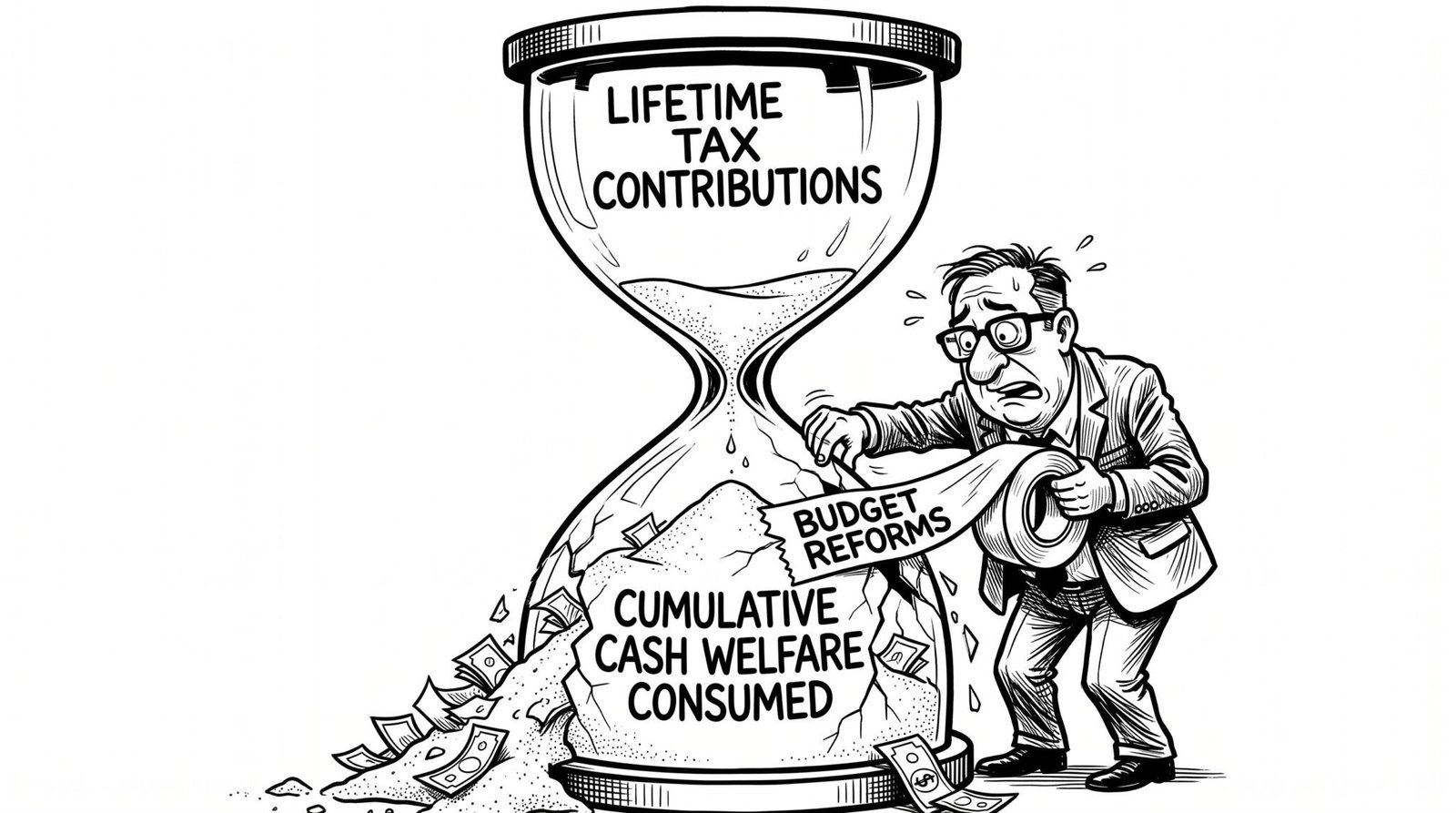
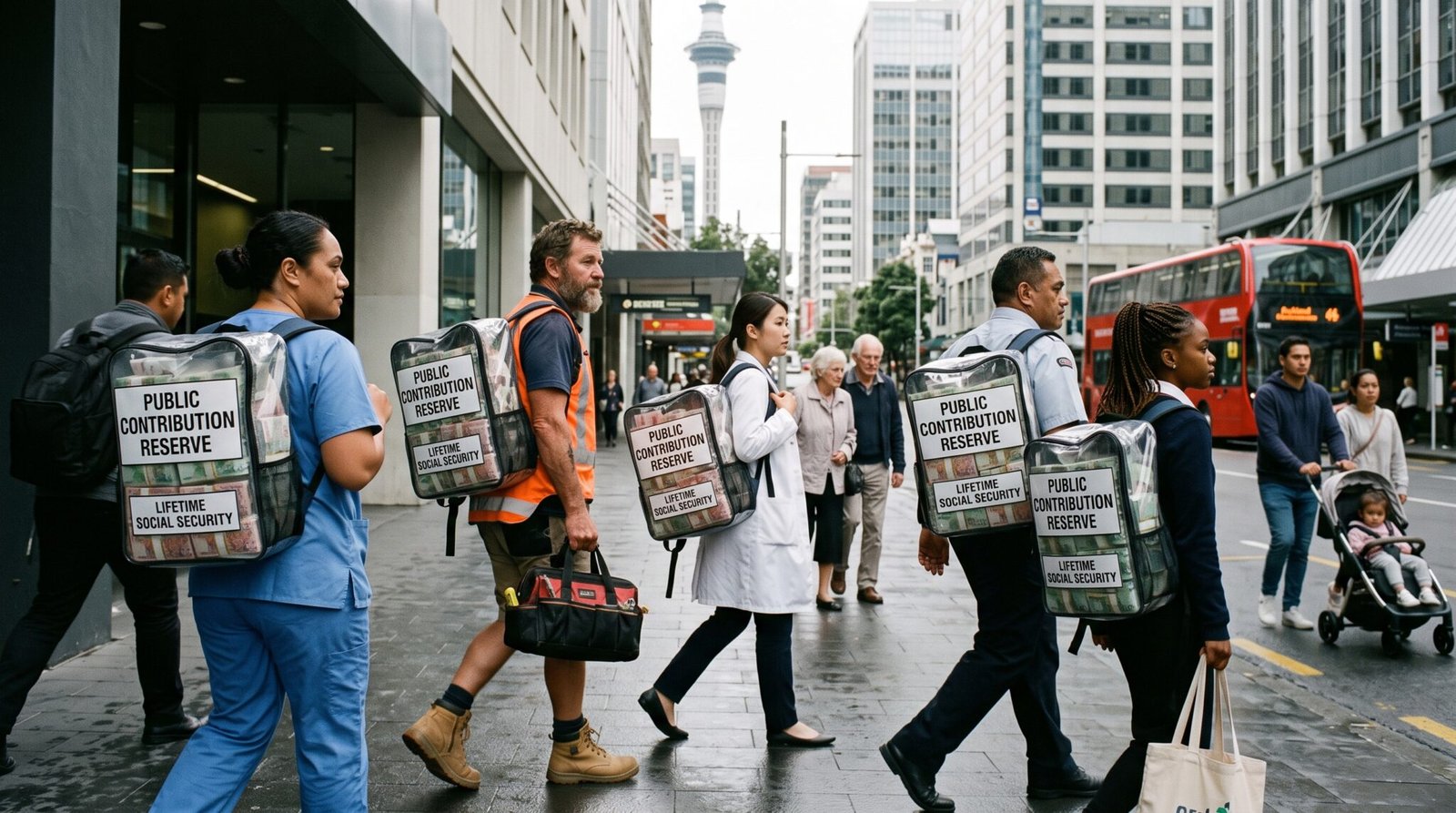
Before retirement age, accumulated non-essential cash welfare should remain below accumulated tax contribution.
FIXNZ proposes a contribution-based limit so long-term cash support does not exceed what a person has paid into the system.
Evidence
- Long-term cash welfare can exceed a recipient’s lifetime tax contribution.
- Contribution limits can reduce permanent dependency.
- Personal tax and welfare records can be compared over time.
- Emergency, disability and essential support should remain separate from non-essential cash payments.
FIXNZ proposes
- Track accumulated tax paid and non-essential cash welfare received.
- Keep lifetime non-essential cash welfare below lifetime tax contribution.
- Trigger work, training or eligibility review as claims approach the limit.
- Exempt severe disability, long-term illness and essential emergency support.
- Publish contribution and dependency outcomes regularly.
Core claim
Long-term cash welfare should not exceed long-term tax contribution.



Evidence Cards
US — Five-year lifetime limit
US welfare reform introduced a 60-month lifetime limit for TANF cash assistance.
Before reform, more than 40% of low-income recipients reportedly received more lifetime cash welfare than they paid in tax. After the limit was introduced, employment and lifetime tax contribution increased among long-term recipients.
Lesson for NZ: Lifetime limits can reduce permanent cash dependency.
New Zealand — Contribution imbalance
The source material reports that long-term non-essential welfare dependency could erode core taxpayer contribution by around 4.8% a year if no contribution limit is applied.
Lesson for NZ: Welfare and tax records should be compared over time, not treated as separate systems.
Switzerland — Automatic review threshold
Swiss social-insurance systems reportedly trigger work or eligibility review when non-emergency welfare reaches around 80% of accumulated tax contribution.
The source material states that this helped keep habitual welfare dependency below 2%.
Lesson for NZ: Automatic review thresholds can protect the system before long-term imbalance becomes permanent.

Evidence Cards
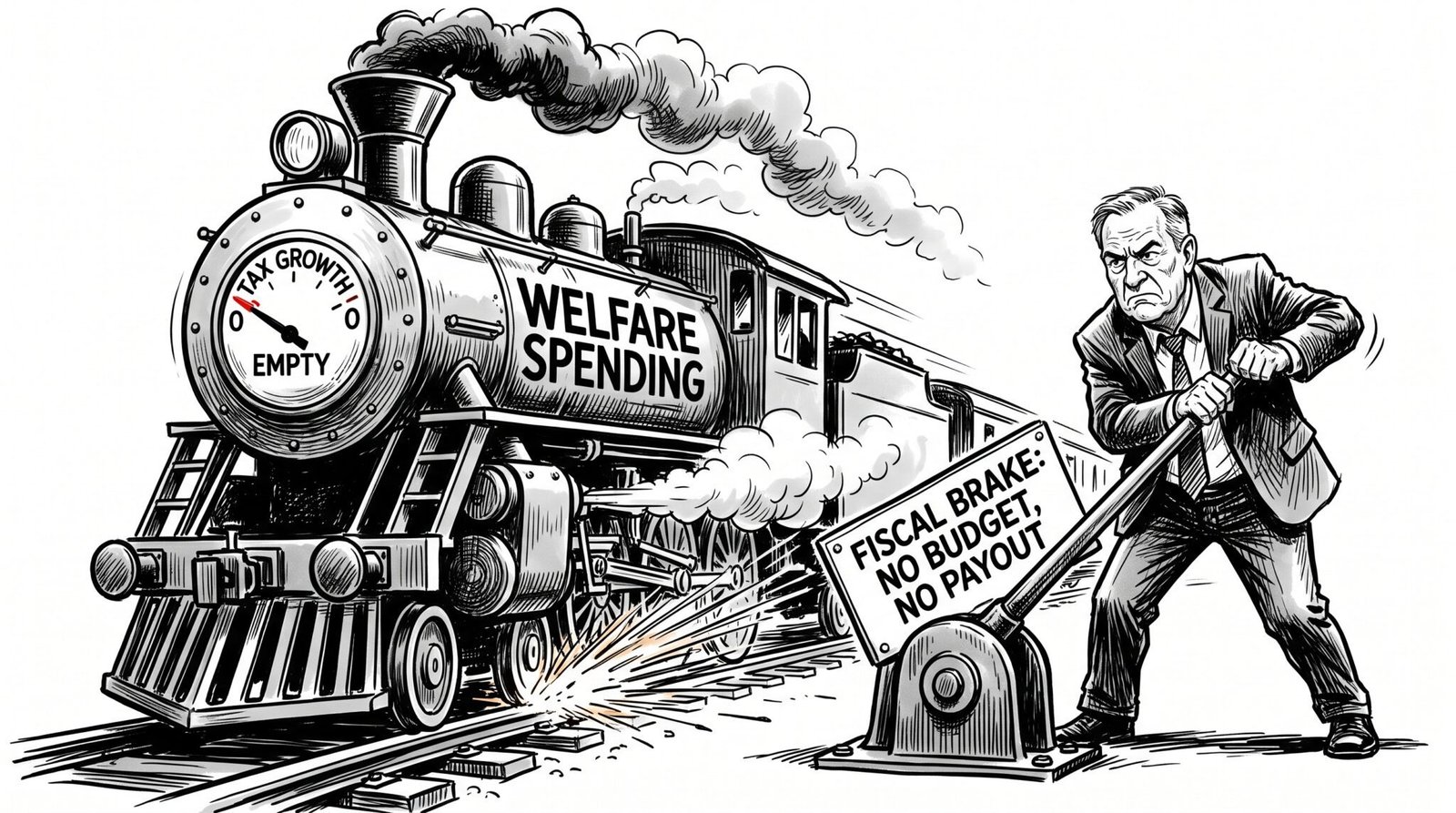
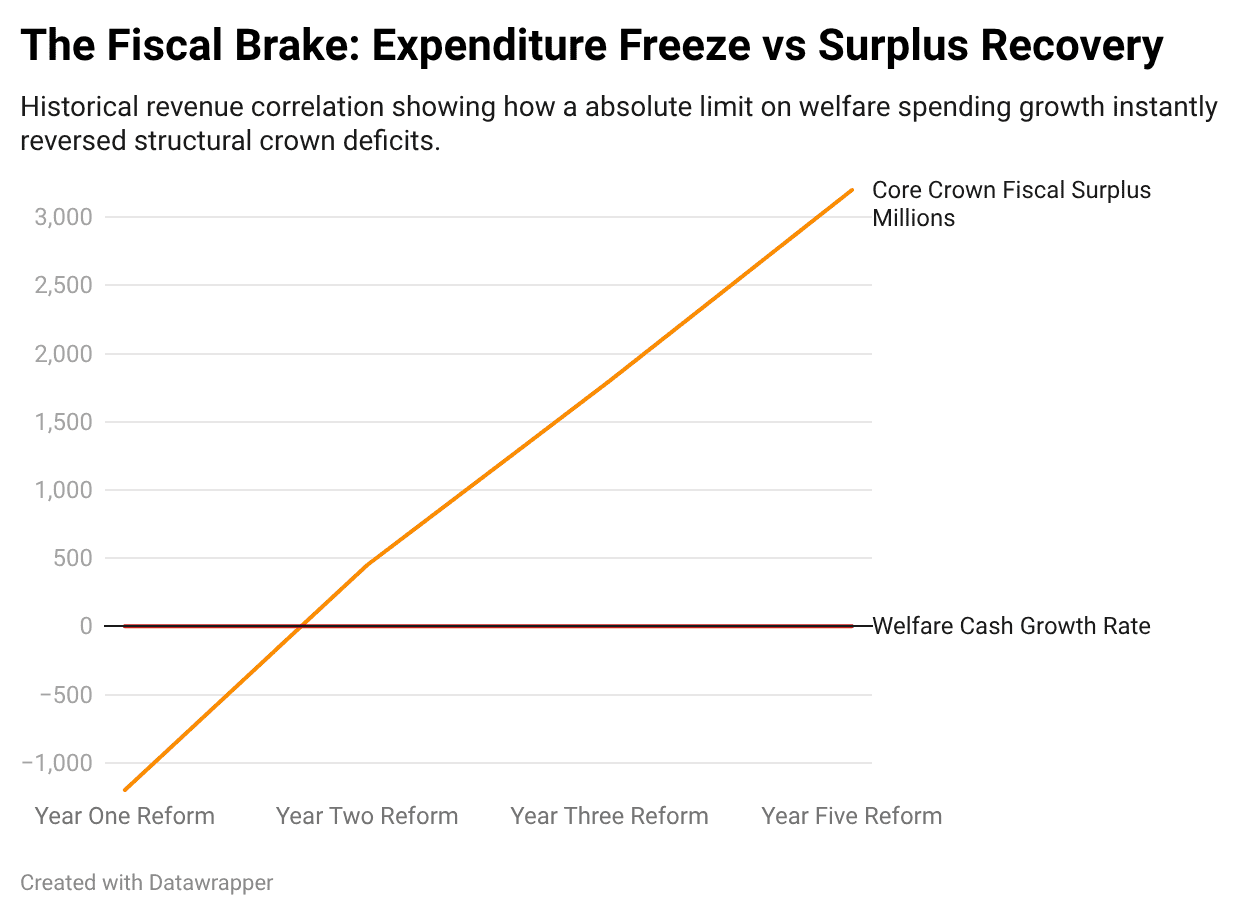
New Zealand — Fiscal hard brake
New Zealand’s 1991 Budget cut unemployment benefits by about 14% and reduced other non-essential support during a severe fiscal crisis.
Treasury historical data cited in the report shows that the fiscal position improved sharply the following year and was followed by a long period of stronger balances.
Lesson for NZ: When revenue cannot sustain spending, non-essential welfare must be restrained.
Germany — Constitutional debt brake
Germany’s constitutional debt brake limits structural federal deficits to a very low share of GDP.
The source material reports that the mechanism blocked more than €40 billion in non-essential spending and targeted subsidies during periods of fiscal pressure.
Lesson for NZ: Hard fiscal rules can stop short-term welfare expansion from becoming permanent debt.
Switzerland — Spending follows revenue
Switzerland’s expenditure-brake formula ties federal spending to expected revenue across the economic cycle.
The source material reports that it reduced high-growth welfare spending pressure by about 65% and automatically restrained non-essential allocations during weak revenue periods.
Lesson for NZ: Welfare growth should be automatically limited when revenue growth cannot support it.
7, Welfare Growth Must Follow Revenue
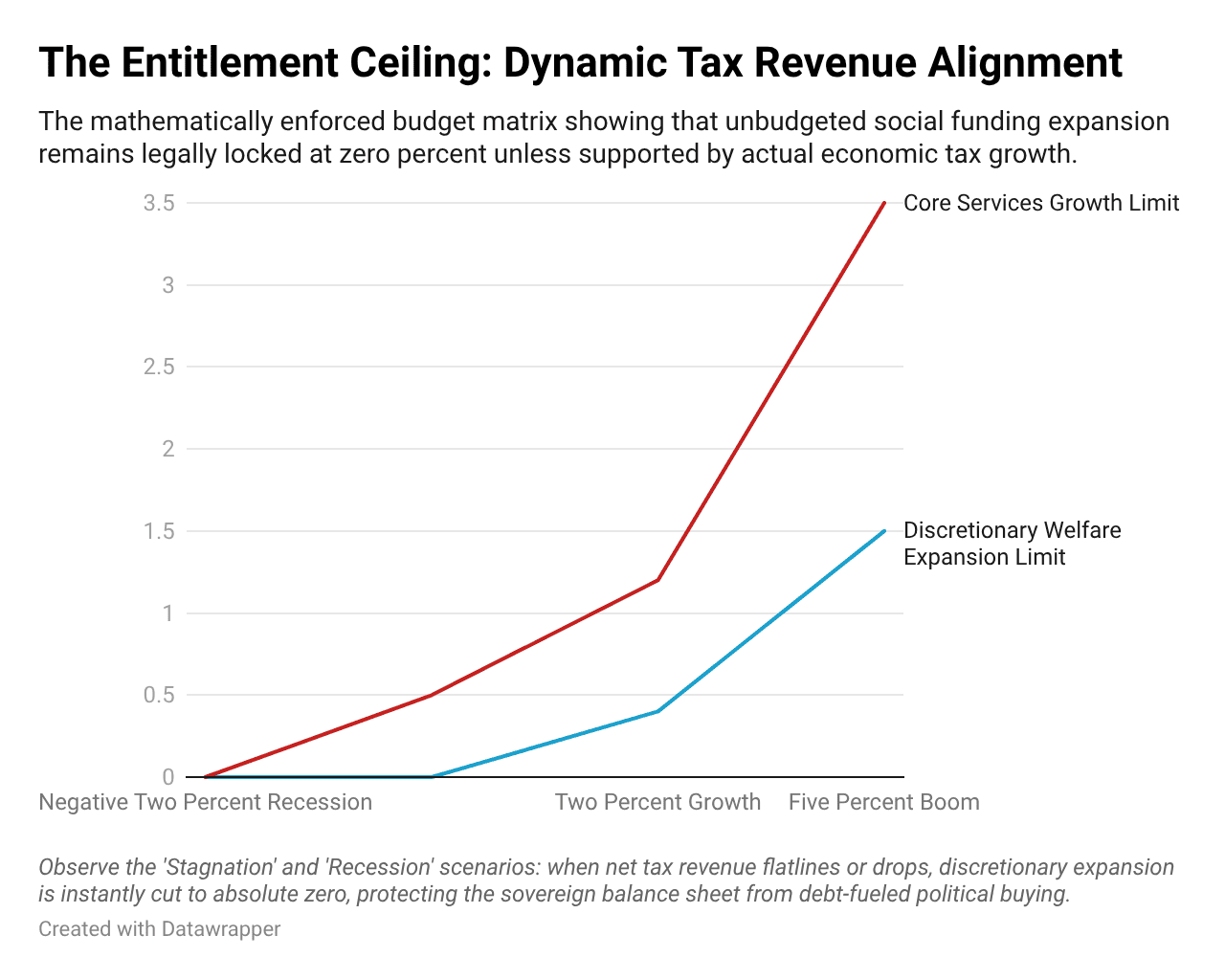
Welfare spending should not grow faster than the tax revenue available to fund it.
When revenue does not increase, non-essential welfare spending should be frozen, reduced or removed rather than financed through permanent deficits.
Evidence
- Welfare growth without matching revenue weakens fiscal stability.
- Temporary programmes can become permanent spending commitments.
- Automatic spending limits can protect taxpayers during economic downturns.
- Essential support should be protected before non-urgent payments.
FIXNZ proposes
- Link welfare growth to actual tax revenue growth.
- Freeze non-essential welfare when revenue falls.
- Use AI review to identify low-priority or ineffective programmes.
- Protect disability, emergency, medical and essential support first.
- Require regular spending reviews and automatic expiry for weak programmes.
Core claim
No revenue growth, no automatic welfare growth.
This analysis draws on public information from Inland Revenue, the Ministry of Social Development, Stats NZ, the New Zealand Treasury and the OECD.