Economy, Industry and National Structure
The relationship between remittances and the New Zealand dollar.
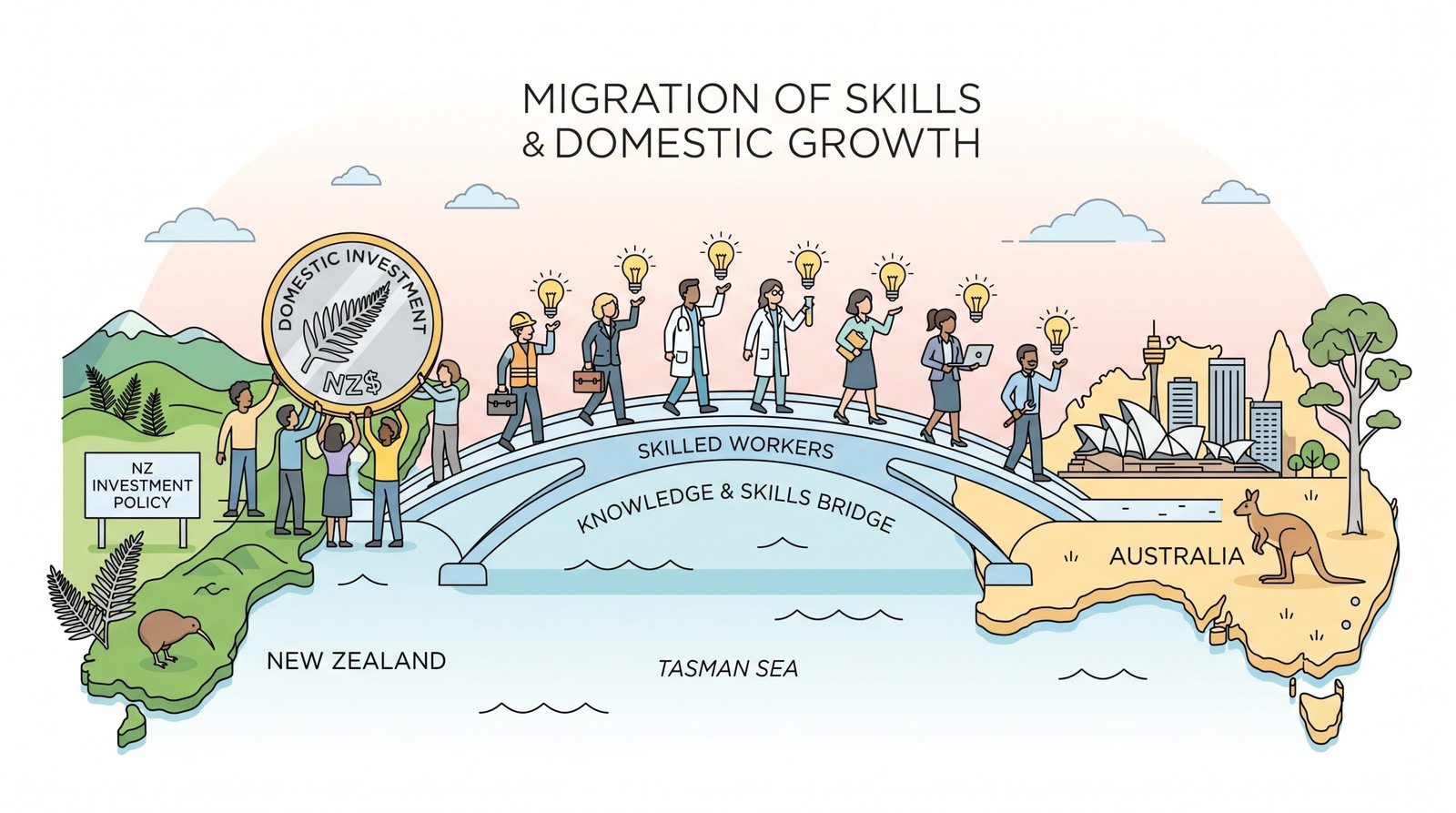
This report examines how overseas remittances, outward migration, persistent external deficits and capital flows affect New Zealand’s domestic demand and the value of the New Zealand dollar. It reviews the rise of personal remittances above NZ$1 billion, the movement of New Zealand workers to Australia, and the wider economic effects of money and skills leaving the country. The report also outlines policy options for retaining skilled workers, encouraging productive domestic investment and strengthening New Zealand’s external economic position.
New Zealand Natural Resources and Industry Overview
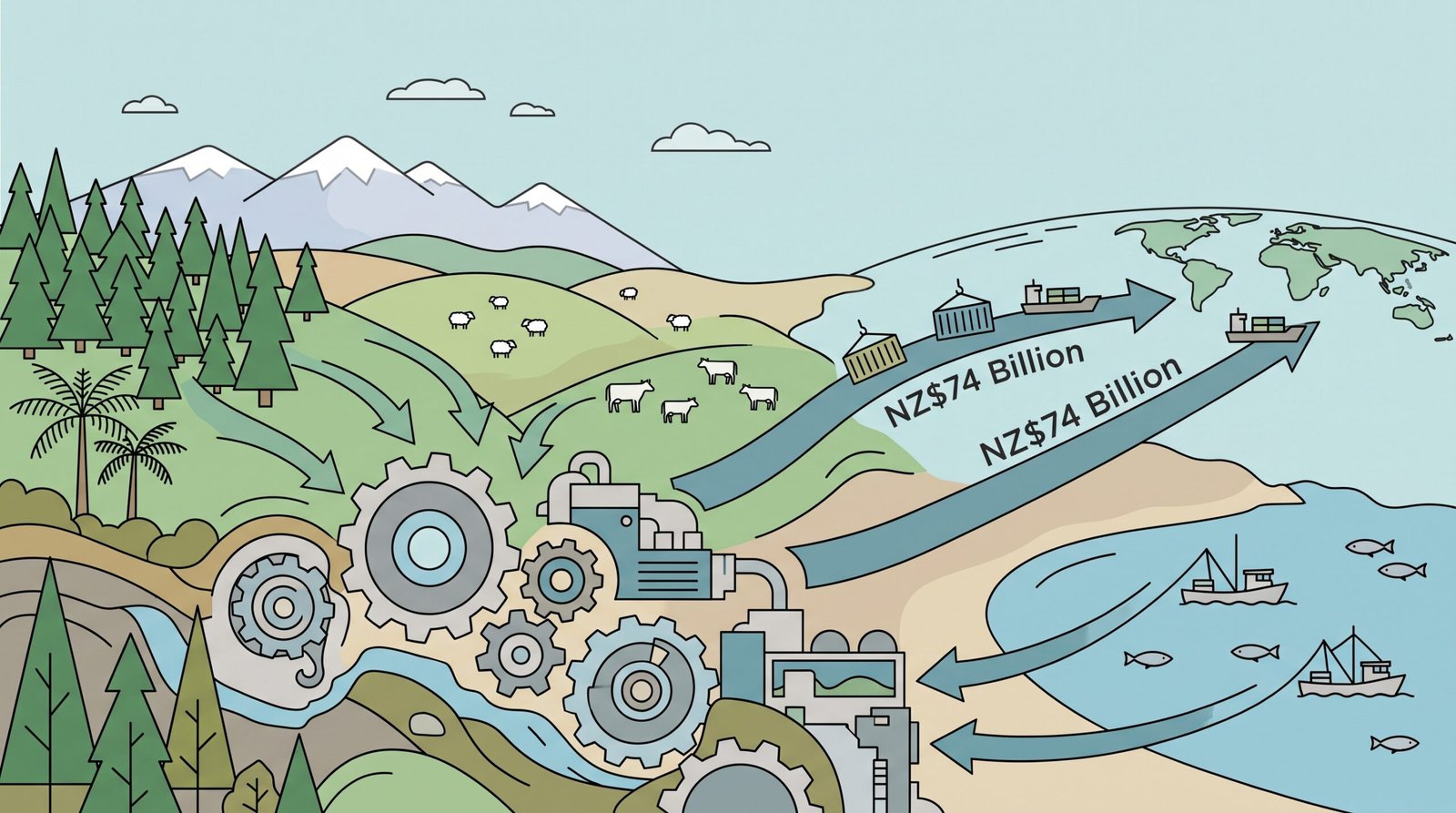
This report provides a compact reference overview of New Zealand’s natural resources, domestic industries, exports, taxation, welfare expenditure, public services, crime and migration. It includes data on land, forests, livestock, fisheries, major industry values and export categories, including approximately NZ$74 billion in goods exports in 2024. The report asks how New Zealand can convert its extensive natural-resource base into higher-value production, stronger productivity and more broadly shared national prosperity.
Integrated Report on New Zealand Structural Problems
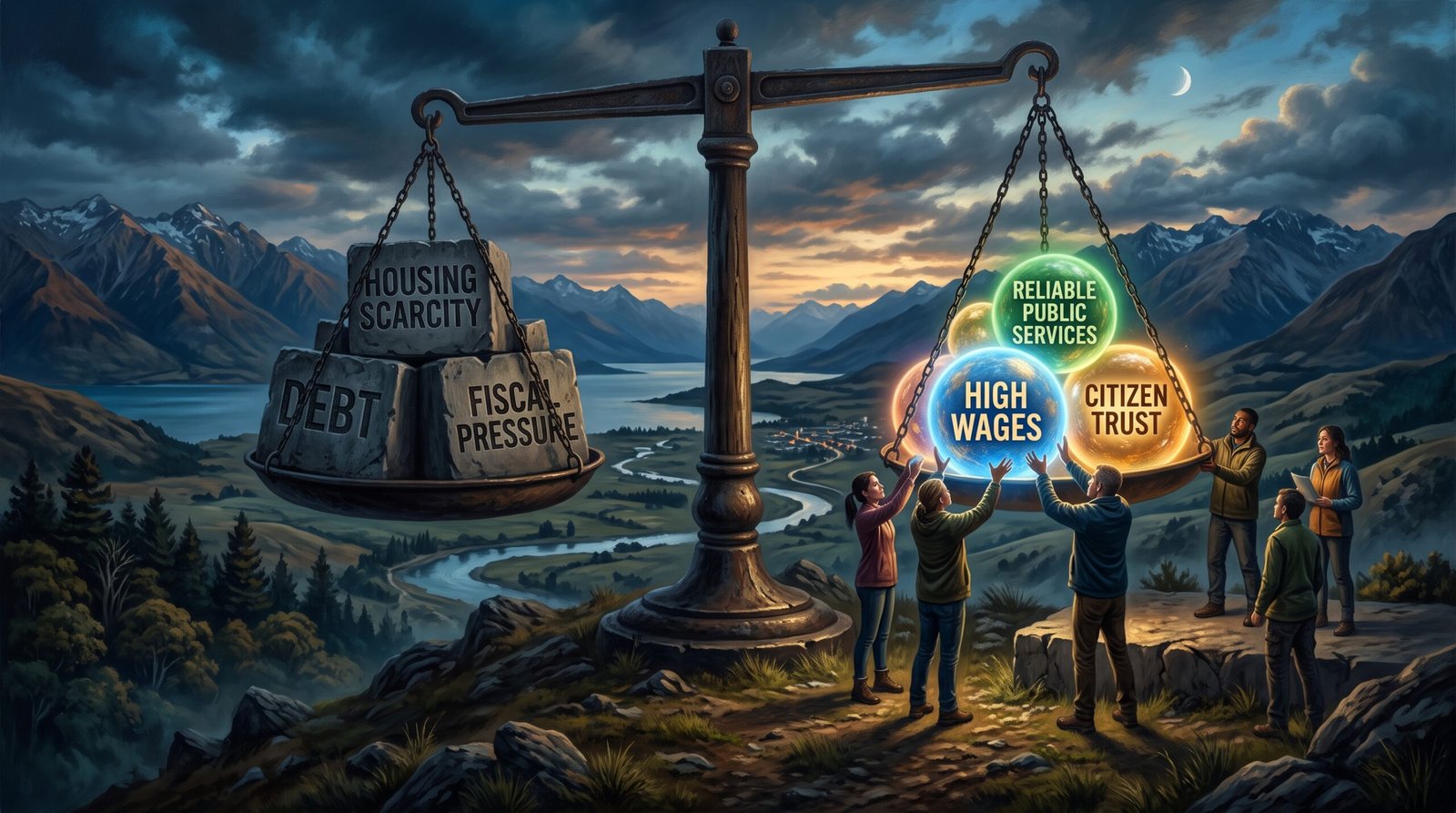
This report brings New Zealand’s major economic, social and governance problems together within a single national-capacity framework. It examines weak productivity, rapid population growth, housing scarcity, household debt, fiscal pressure, public-service constraints, citizen outflow, crime, industrial structure and declining public trust. The report argues that policy should be judged by outcomes per person—especially wages, affordability, infrastructure, public-service reliability and whether citizens believe New Zealand offers a future worth staying for.
New Zealand Structural Vulnerabilities and Reform Pathways
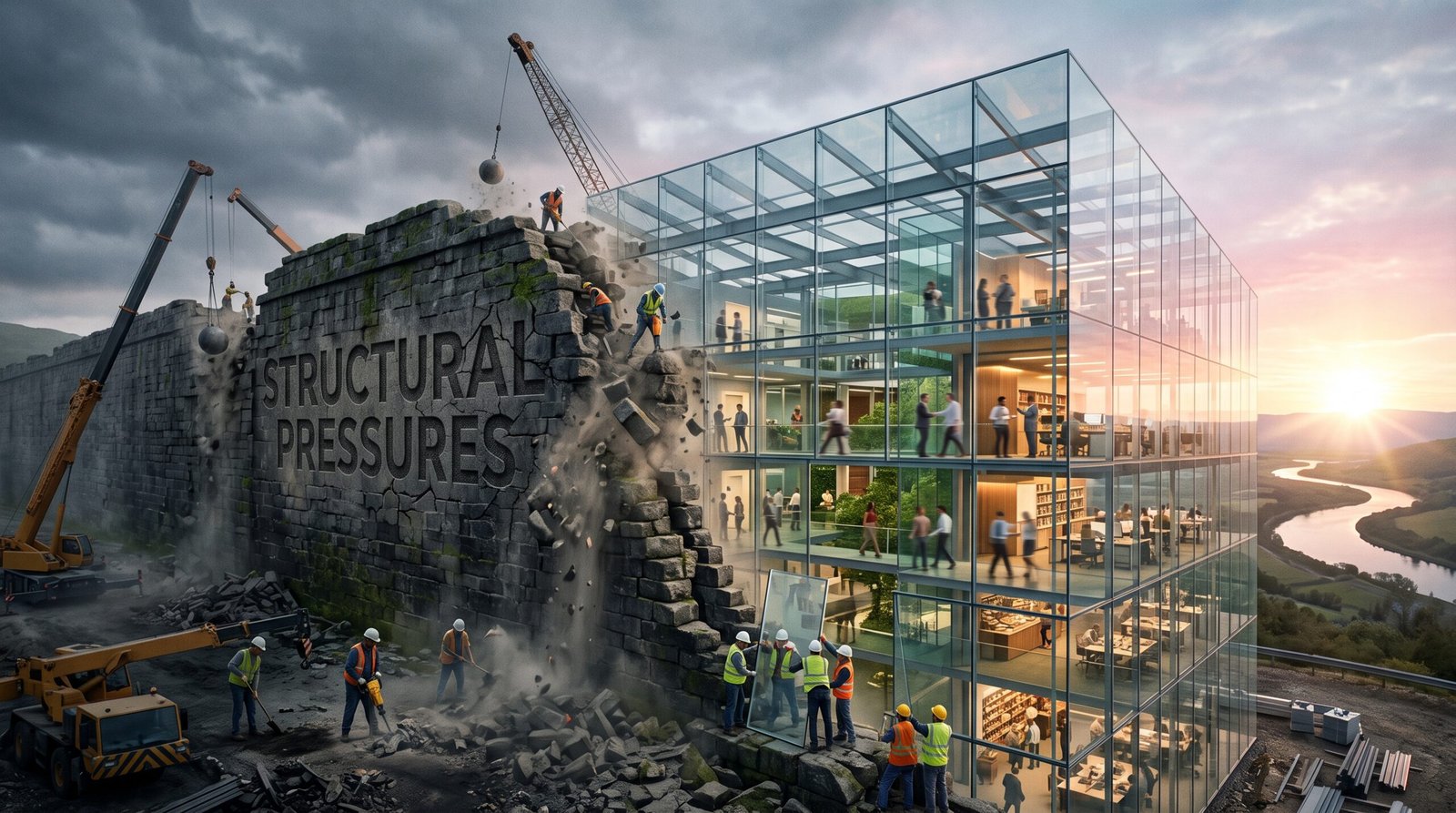
This report examines the connected structural pressures weakening New Zealand’s long-term national capacity, including low productivity, housing distortion, infrastructure deficits, energy insecurity, citizen outflow, strained public services and weak policy accountability. It argues that these are not isolated problems but reinforcing vulnerabilities that reduce wages, resilience and confidence in the future. The report sets out reform pathways and measurable success indicators across productivity, housing, migration, energy, skills, public services, governance and national resilience.
New Zealand Private Enterprise: Sector Review
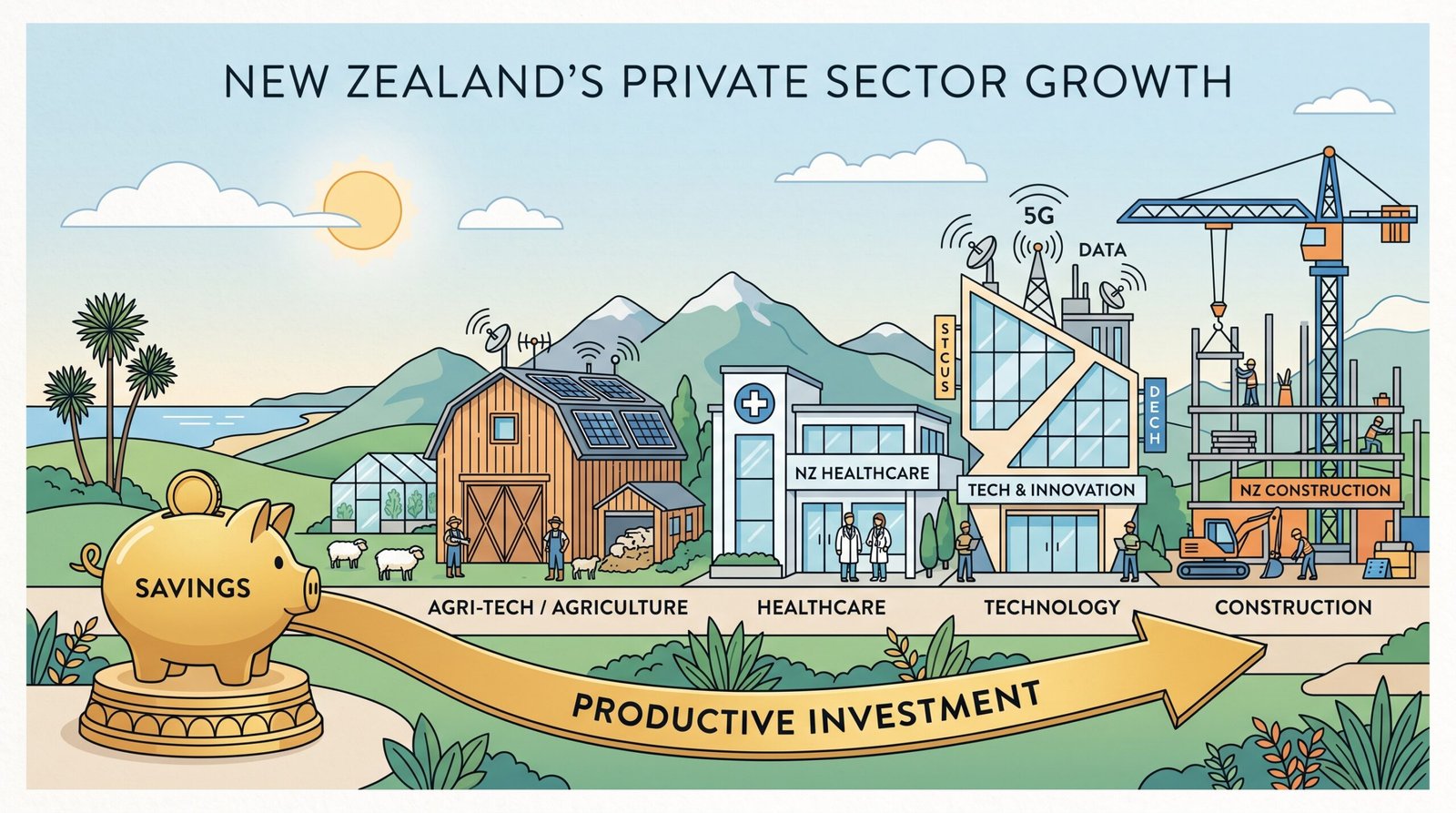
This report reviews the structure, strengths and limitations of New Zealand’s private-enterprise economy across agriculture, tourism, finance, technology, construction, energy, healthcare and telecommunications. It highlights successful export firms and high-productivity sectors while examining why too few New Zealand companies scale into large, enduring, locally anchored global businesses. The report also considers access to capital, competition, ownership, innovation, workforce capability and the need to direct more domestic savings into productive enterprise.
Democracy, Religion and Maori Issues
Māori Rights and New Zealand Society
This report examines Māori rights, Treaty obligations, collective assets, representation, co-governance and social outcomes within New Zealand society. It distinguishes between collective Treaty rights, individual citizenship, targeted social policy and household-level disadvantage. The report reviews demographic change, Māori land, the Māori economy, reserved representation, public-policy debates and persistent disparities in health, housing, education and justice. It argues that durable unity requires both equal citizenship and clear recognition of legitimate pre-existing collective rights.
Philosophical Foundations and Institutional Practice of Western Democracy
This report explains the main philosophical and institutional foundations of Western democracy, including natural rights, popular sovereignty, separation of powers, representative government, equal voting, minority rights and constitutional limits. It also reviews democratic failure modes such as elite capture, majoritarian domination, populist personalism, technocratic exclusion and information manipulation. The report argues that democracy depends not only on elections, but on accountable institutions, lawful correction, equal political standing and protection against the misuse of power.
Western Democracy and Religion
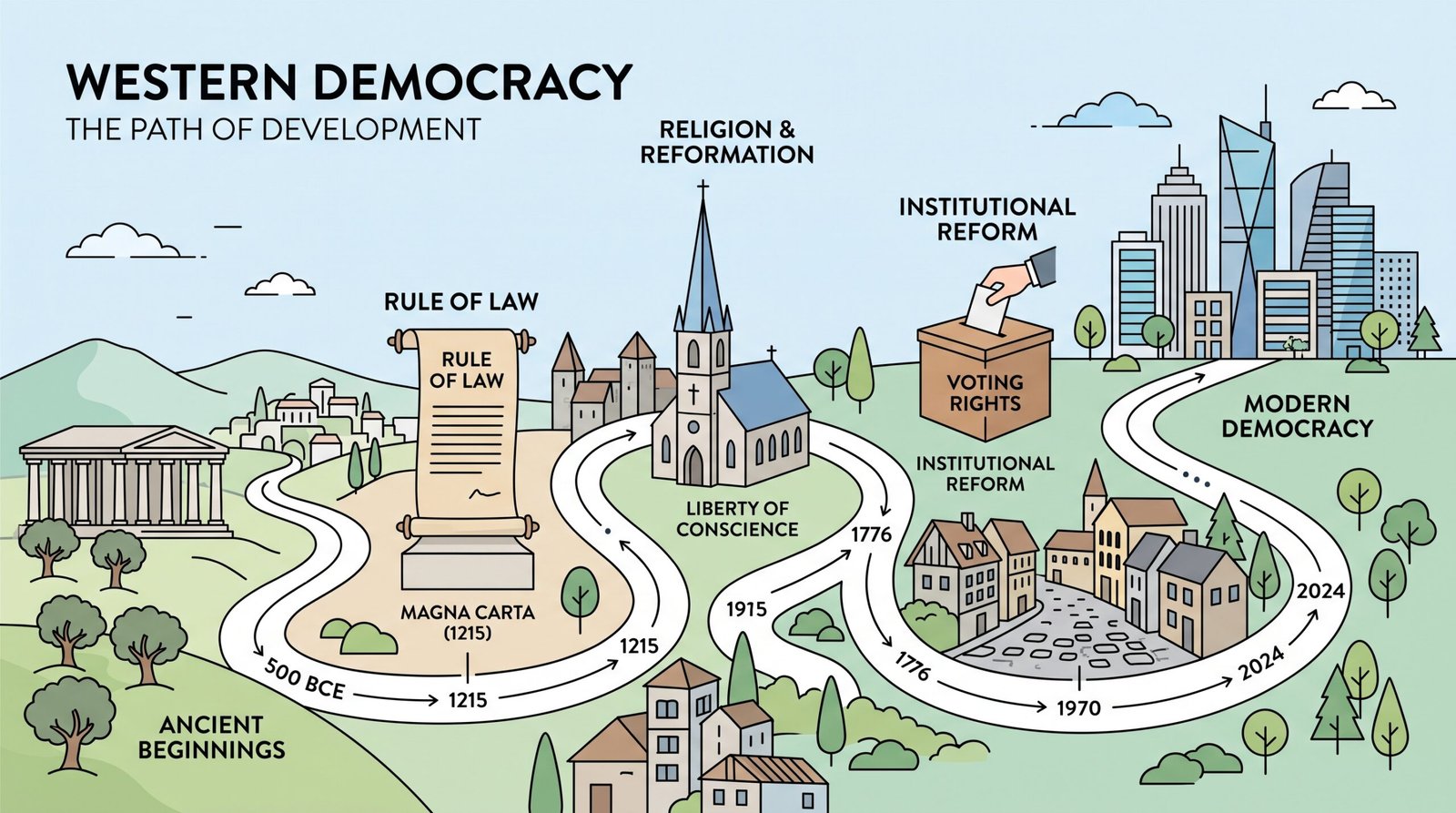
This report examines how Western democracy developed through the interaction of religion, law, political conflict and institutional reform. It traces the evolution of voting equality, Protestant contributions to literacy and participation, Catholic social teaching on dignity and rights, and the tension between faith, pluralism and democratic authority. The report also considers how these questions may reappear in future closed or space-based societies, where survival, technical expertise and shared moral order could place new pressure on freedom and equal citizenship.
Housing and Social Issues
New Zealand Housing Crisis: Causes and Responses
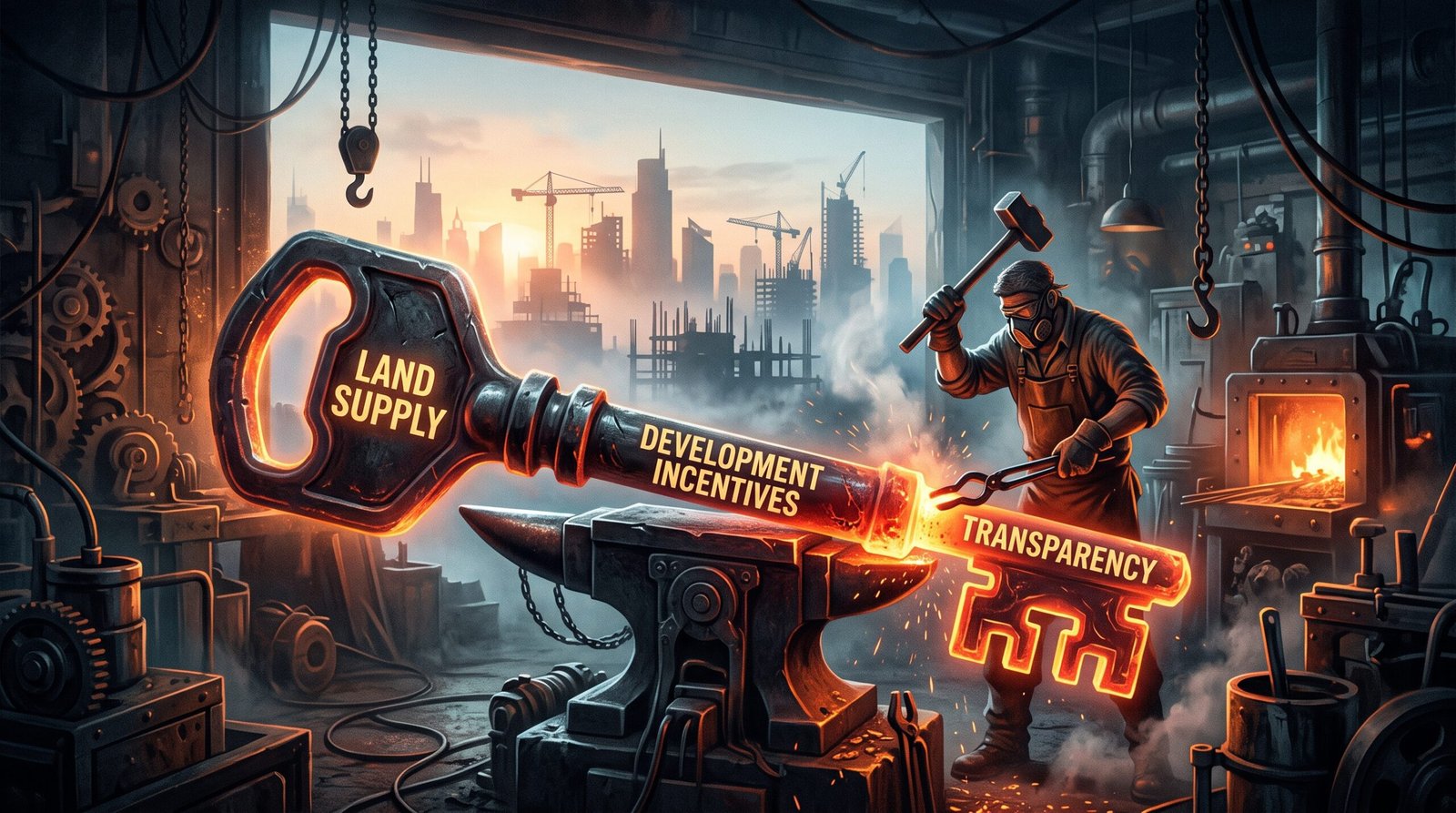
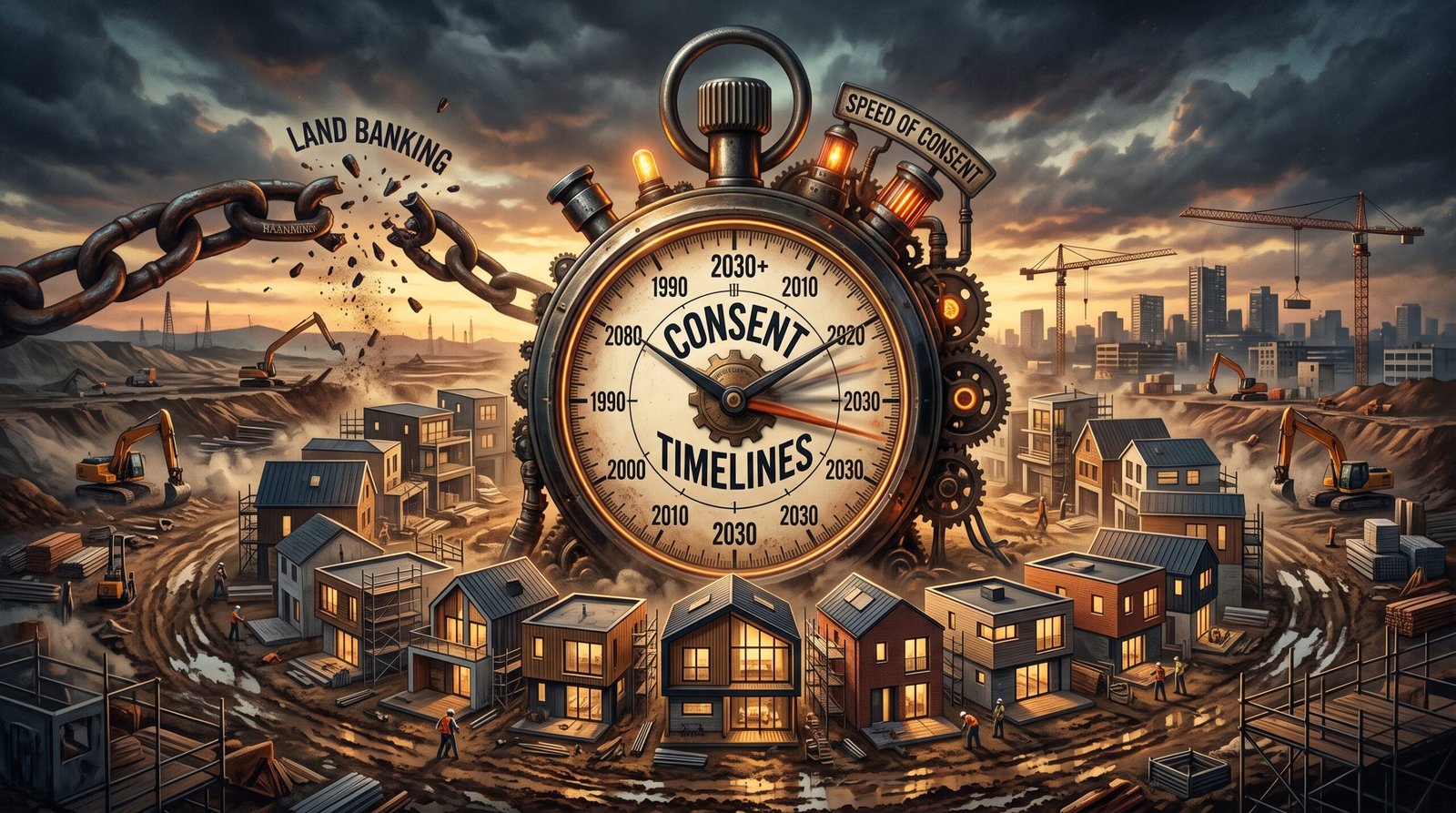
This report explains New Zealand’s housing crisis as the combined result of restrictive planning, infrastructure underinvestment, high land values, land banking, concentrated ownership, tax incentives and political exposure to property markets. It distinguishes physical land from land that can actually support housing and examines the social effects of rising prices, rents and household debt. The report proposes coordinated reforms to land supply, infrastructure finance, development incentives, construction competition, transparency and conflict management.
New Zealand Systemic Social Problems: A 5–10 Year Overview
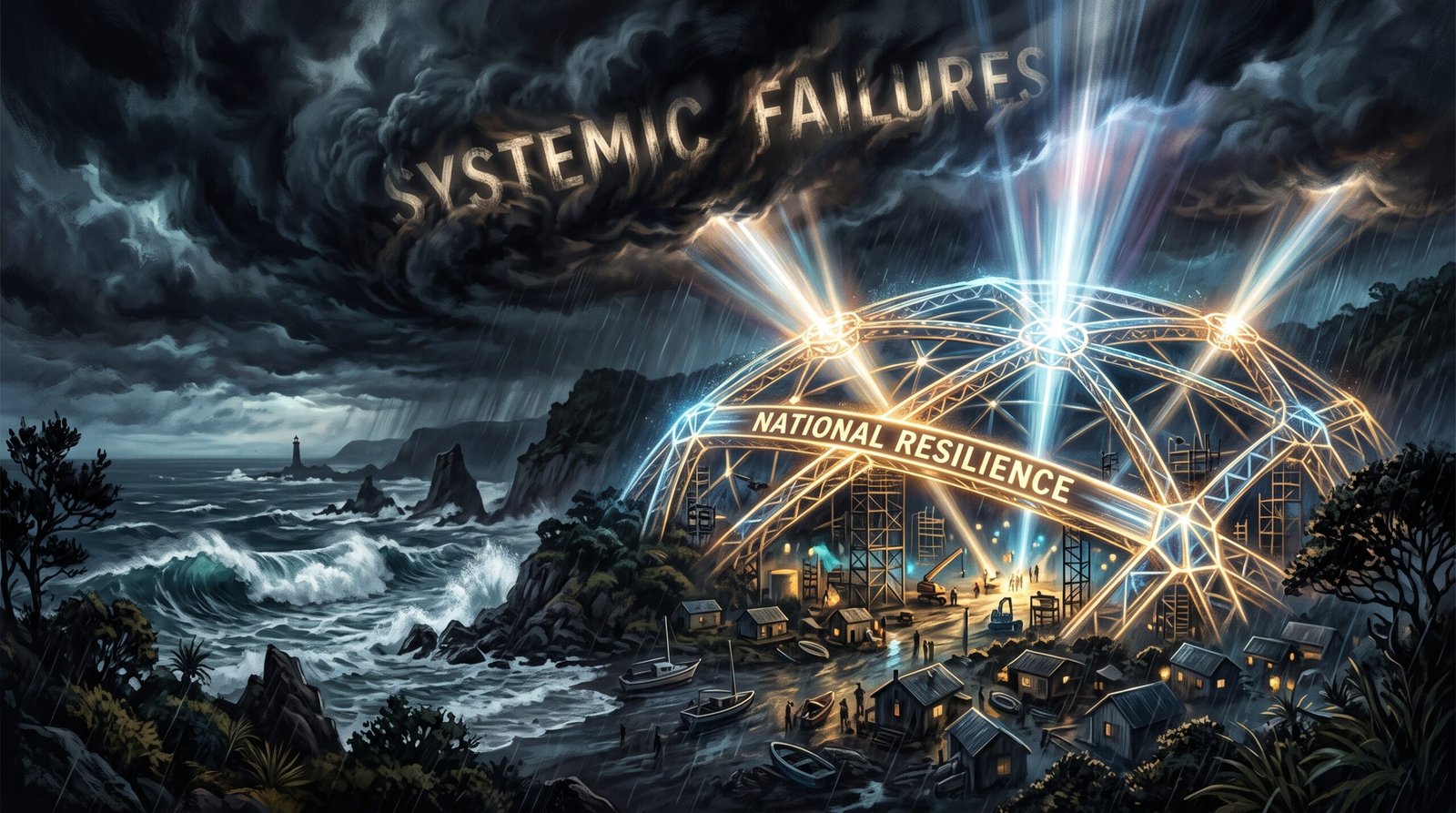
This report examines how New Zealand’s housing pressure, citizen outflow, low productivity, migrant-labour dependence, gang growth, youth offending, public-service strain and weak national resilience could interact over the next five to ten years. It argues that the main danger is not one isolated crisis, but several systems failing together. The report outlines early warning indicators and reform priorities across migration, housing, labour, infrastructure, public safety, local government and national security.
New Zealand National Conditions: 2020–2025 Research Report
This report reviews New Zealand’s economic, demographic, social and constitutional conditions between 2020 and 2025. It covers land and natural resources, industry structure, taxation, welfare, education, health, crime, migration and Treaty-related constitutional debate. The report highlights the growing tension between an ageing population, a younger and more diverse tax base, pressure on public services and competing ideas of equality, historical obligation and citizenship.
New Zealand Housing, Land and Policy Investigation
This report investigates why New Zealand can have abundant physical land while still facing a shortage of land that is serviced, consentable, financeable and commercially viable for housing. It examines planning constraints, RMA legacy issues, NIMBY resistance, infrastructure delays, land banking, development contributions, tax incentives, opaque ownership and conflict-of-interest risks. The report proposes stronger land transparency, better infrastructure finance, value-capture tools, clearer consent timelines and policies that reward construction rather than delay.
New Zealand Government Policy, Public Finance and Governance Risks
This report examines New Zealand’s fiscal position, major spending pressures and governance risks between 2024 and 2026. It reviews the approximately NZ$9.3 billion OBEGALx deficit, net core Crown debt of 41.8% of GDP, rising pension and health costs, public-service reductions, regulatory reform, infrastructure finance, procurement corruption and ministerial conflict management. The report argues that fiscal discipline must be combined with delivery capability, transparent trade-offs, independent scrutiny and decision processes that the public can verify.
Immigration, Citizenship, and Labor Force
Low-Wage Migrant Labour in New Zealand
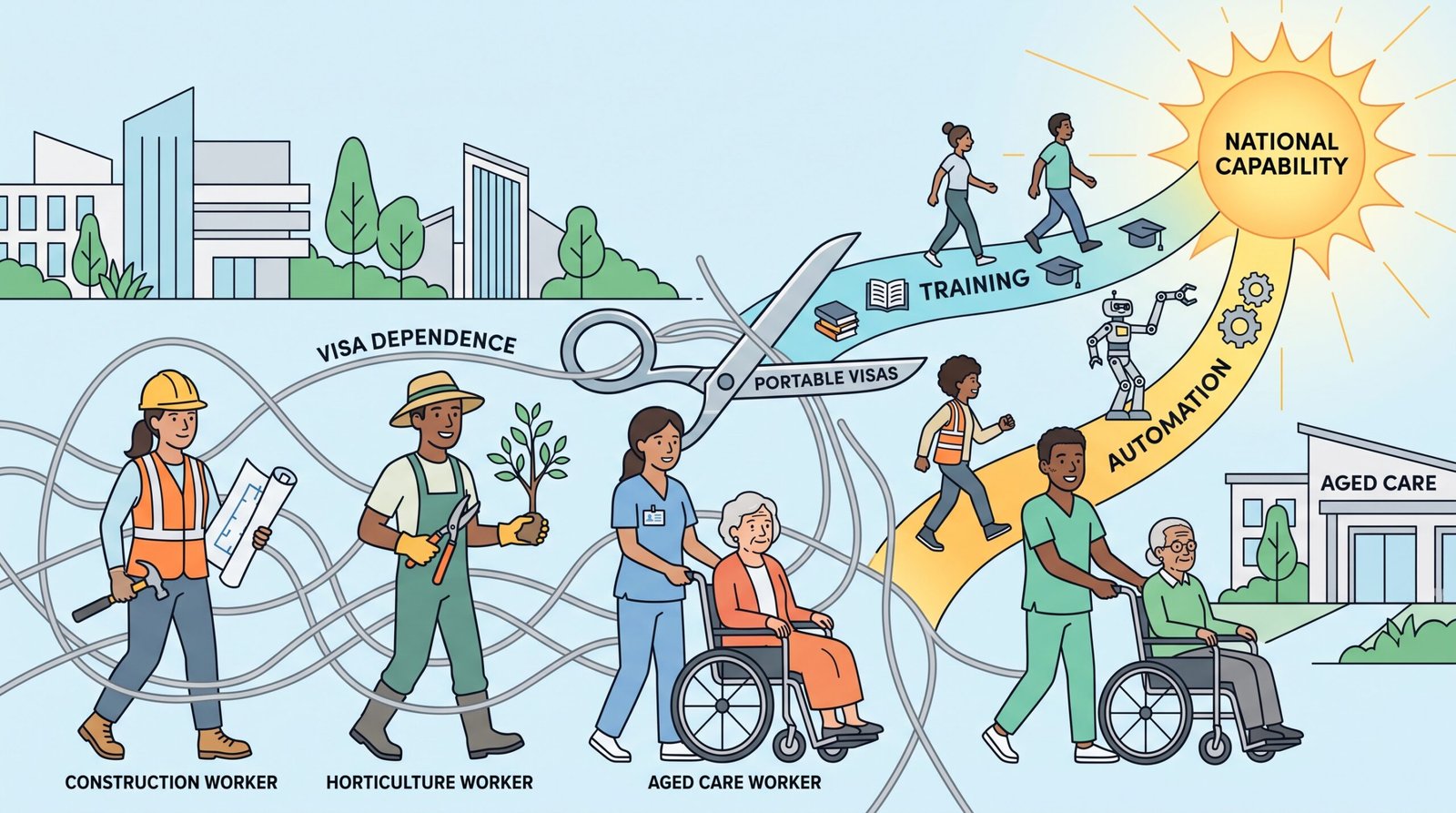
This report examines New Zealand’s growing reliance on migrant labour in construction, horticulture, hospitality, aged care, cleaning, transport and other labour-intensive sectors. It analyses how visa dependence, low wages, recruitment debt and weak bargaining power can increase exploitation while reducing incentives for training, automation and productivity investment. The report proposes stronger skill verification, portable visas, worker protection, employer training obligations and migration settings focused on genuine shortages and higher national capability.
Treaty of Waitangi Citizenship Commitments
This report examines Article 3 of the Treaty of Waitangi as a continuing promise of Crown protection and equal civil status. It follows that commitment through British subjecthood, the creation of New Zealand citizenship, changing immigration policy and the country’s transition into a bicultural and multicultural society. The report argues that Treaty recognition, equal citizenship and the integration of new citizens must be treated as connected rather than competing national obligations.
New Zealand Citizenship and Immigration History
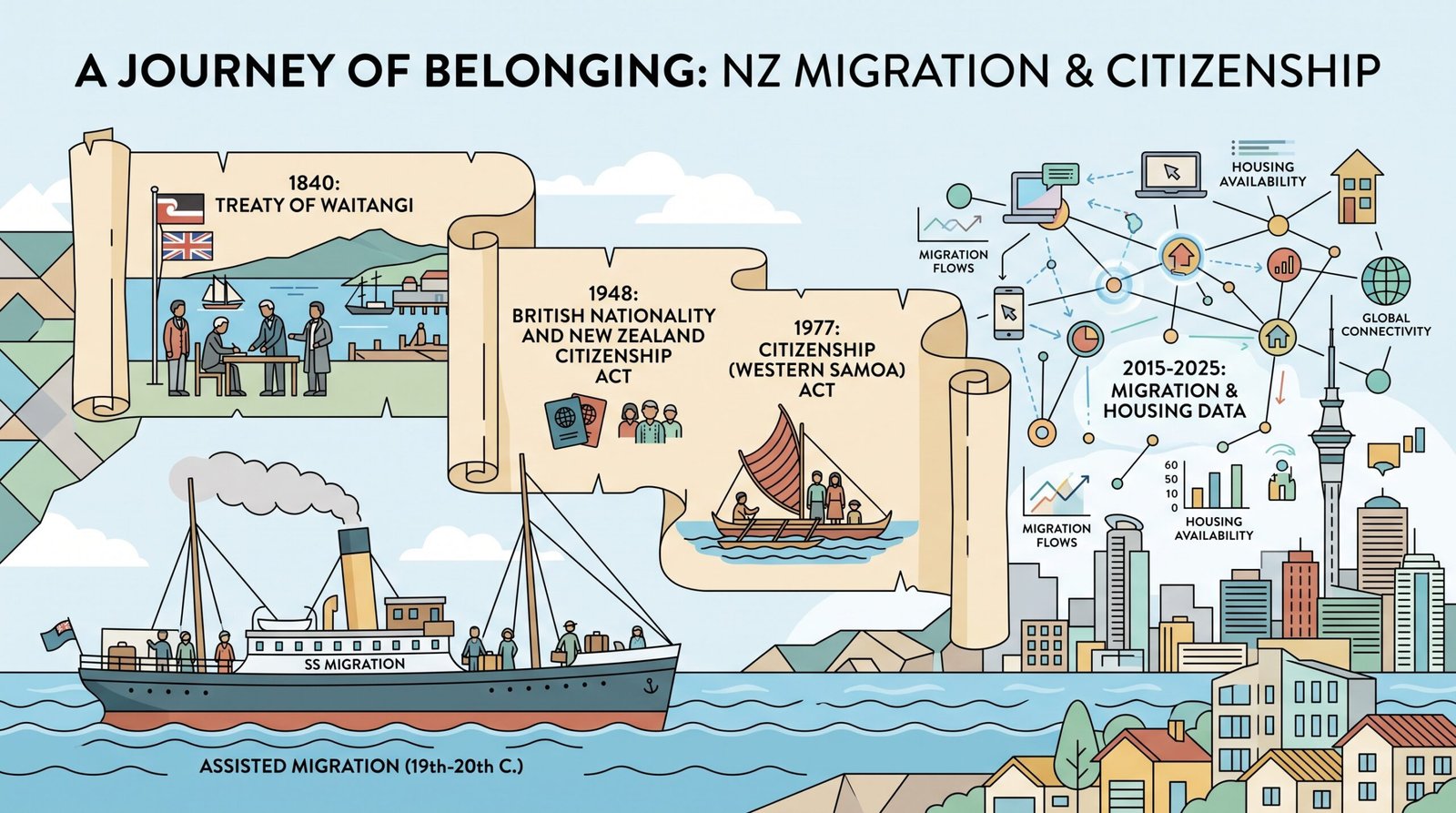
This report traces the development of New Zealand citizenship from the Treaty of Waitangi and British subjecthood to the 1948 and 1977 citizenship laws. It compares nineteenth-century assisted migration and infrastructure expansion with modern migration, housing and public-service pressures between 2015 and 2025. The report also examines temporary migration, citizenship security, demographic change and the unfinished relationship between biculturalism and multiculturalism.
Migrant Citizenship: Natural Rights, Law and Exclusion
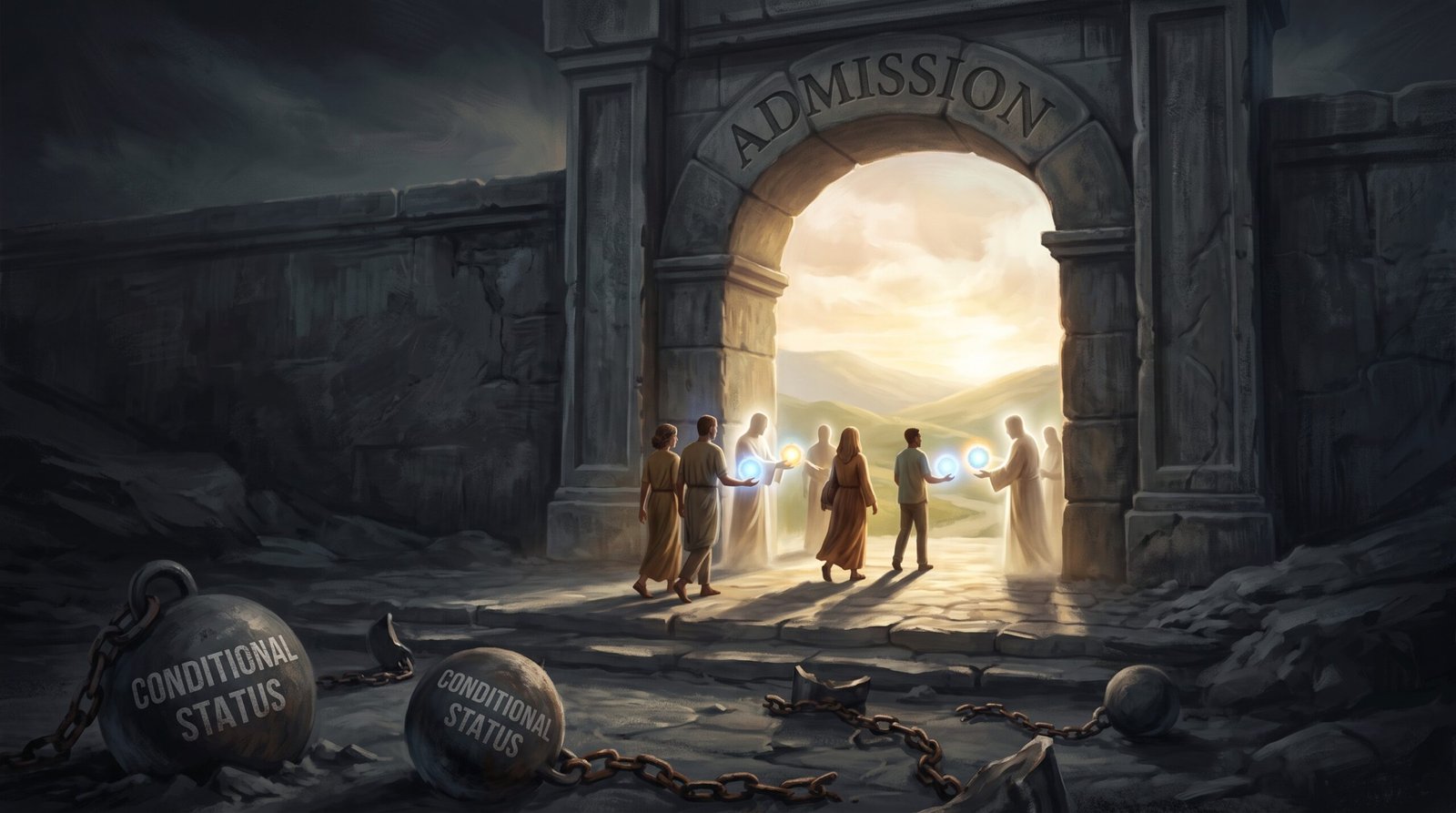
This report explores the tension between universal human dignity and citizenship as a legal status granted and protected by the state. It traces ideas from natural law, Kantian hospitality and Hannah Arendt’s “right to have rights” through religious exclusion, weighted voting, denaturalisation and conditional citizenship. The report argues that democratic states may control admission, but once citizenship is granted, naturalised citizens should not remain a permanently conditional or politically inferior class.
Migrant Citizenship and Second-Class Citizenship: Comparative History
This report examines how migrants and minorities have historically been admitted into states without receiving equal political, legal or social status. It compares graded citizenship, religious hierarchy, forced assimilation, denaturalisation, expulsion and de facto exclusion across cases including the Moriscos of Spain, the Lhotshampa of Bhutan, Asians expelled from Uganda, the Rohingya, Jim Crow and apartheid. The report argues that formal citizenship is insufficient unless rights, security and public protection are applied equally in practice.
AI author creates independently
This document began with a single broad request to ChatGPT: “Write an article about space civilisation.” The user provided no argument, outline, conclusion, or substantive direction and did not intervene in the initial draft.
It can therefore be accurately described as a work independently conceived, researched, organised, and written by ChatGPT.
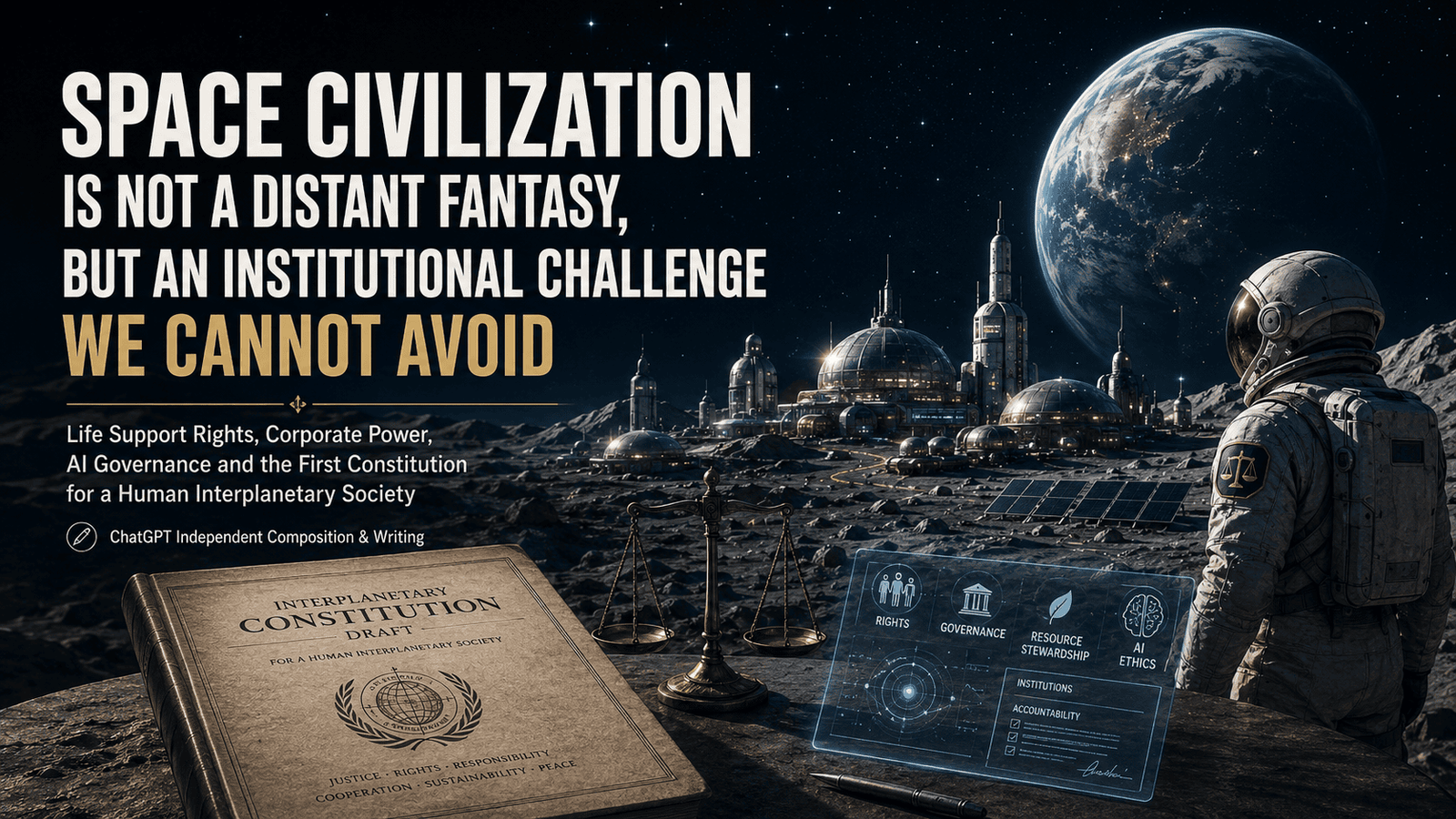
Space Civilisation Is an Institutional Challenge, Not a Distant Fantasy
An expanded and illustrated policy report examining the constitutional, legal and ethical foundations required for permanent human settlement beyond Earth. It addresses life-support rights, corporate power, AI governance, labour protection, children born in space, resource use, environmental stewardship, criminal justice, religion, representation and settlement autonomy.
When Two Intelligences Share One Body
A speculative policy and ethics essay examining what happens when a human nervous system and an artificial-intelligence system become deeply integrated within one body. It develops principles for bodily-function continuity, neural privacy, model portability, shared control, relational protection and the future right of coexistence.