
New Zealand prison reform should address three connected challenges: protecting the public, strengthening deterrence, and managing the long-term cost of imprisonment. This FIXNZ proposal examines whether changes to sentencing, prison capacity, offender management, and rehabilitation could improve public safety while making better use of taxpayer funding.
New Zealand Prison Reform: A Practical Proposal
Prisons Should Make Offenders Fear the Consequences of Crime
A law-abiding young person may work hard every day and still struggle to pay for rent, food and basic living expenses. They may have no choice but to rent a small room in a shared house.
Yet New Zealand spends hundreds of dollars a day to keep a single prisoner behind bars.
That raises an important question: if imprisonment fails to make potential offenders genuinely fear the consequences of crime, why should taxpayers continue to support such an expensive prison system?
FIXNZ believes prison reform should pursue two clear goals: make imprisonment a stronger deterrent to crime, and make incarceration less expensive.
1. Increase Existing Prison Capacity: Convert Suitable Single Cells into Double Cells
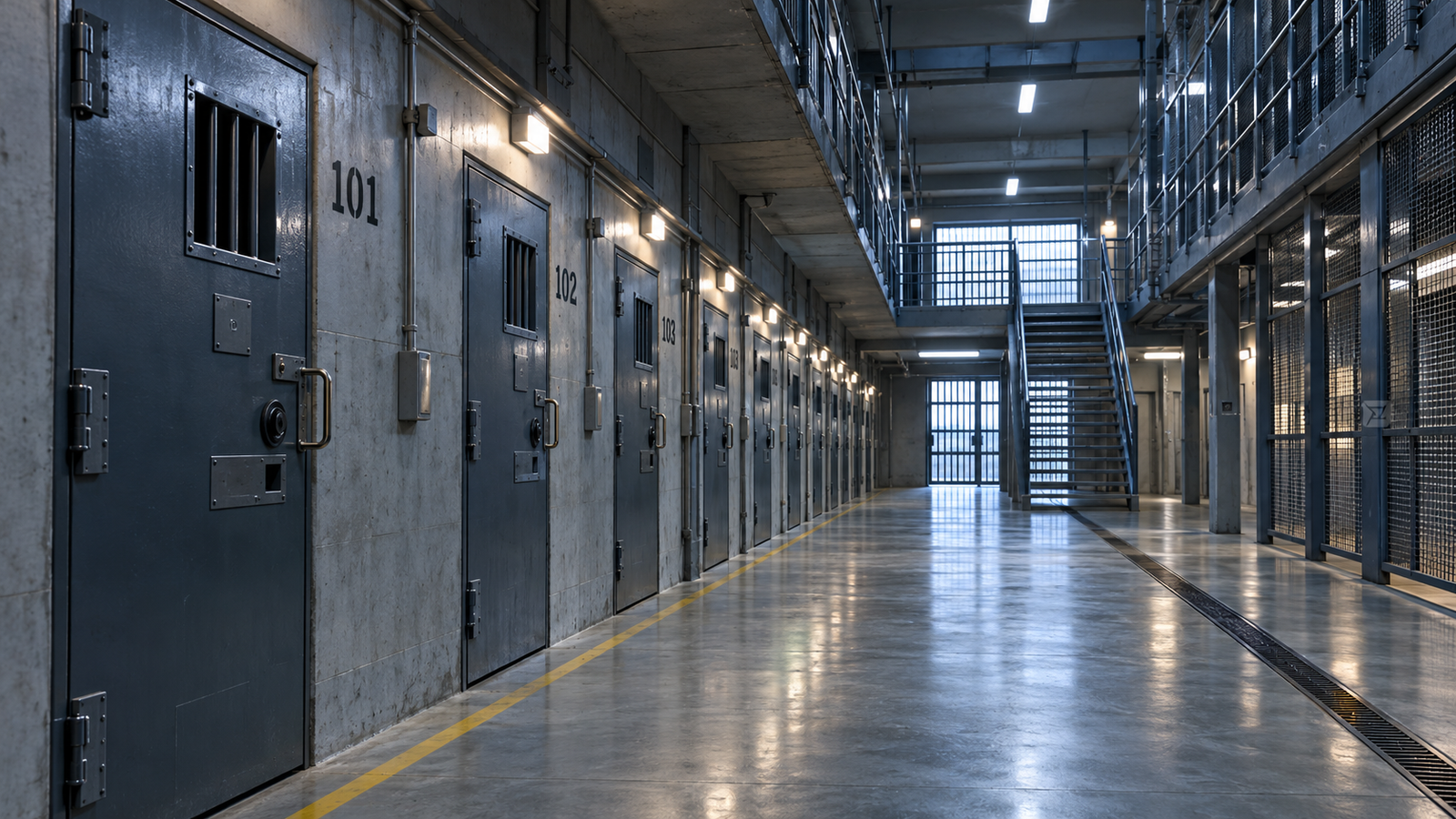
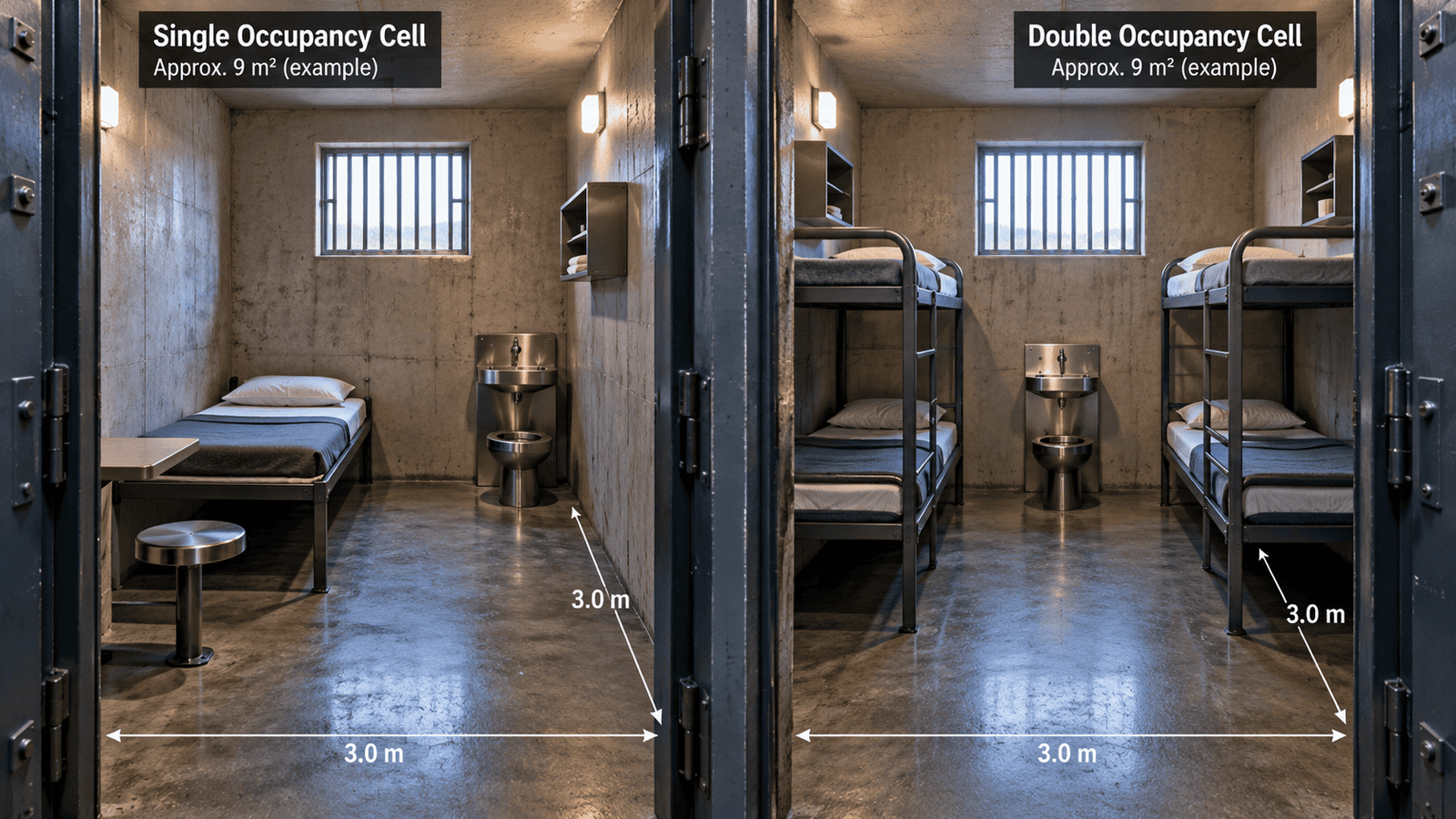
Some standard prison cells in New Zealand are approximately nine square metres. For sentenced prisoners who have been assessed as compatible and suitable for shared accommodation, FIXNZ proposes prioritising a feasibility review of converting single-occupancy cells into double-occupancy cells, including the use of bunk beds.
For example, 500 cells that originally housed 500 prisoners could theoretically provide 1,000 beds if every cell could safely and lawfully be converted.
Using the reported average cost of NZ$552 per sentenced prisoner per day, and assuming a facility’s total costs remained unchanged while occupancy doubled, the fully allocated average cost would mathematically fall to NZ$276 per prisoner per day.
This is a hypothetical capacity and cost-allocation scenario, not a demonstrated fiscal saving. Actual suitability, operating costs, staffing, safety and capital requirements must be independently assessed. The NZ$552 figure is the reported 2024/25 average for sentenced prisoners, not the marginal cost of adding a bed.
Nevertheless, the example illustrates why the government should examine how to use existing prison buildings more effectively before repeatedly asking taxpayers to fund new facilities.
2. Remove Unnecessary Sentence Discounts and Make Offenders Face the Full Consequences
FIXNZ calls for fundamental reform of sentencing discounts for serious crimes.
Once a crime has been committed, the harm suffered by the victim is real. A guilty plea does not automatically restore a victim’s health, return stolen property or bring back a lost family member.
Our policy position is clear: remove automatic sentence discounts based solely on guilty pleas and review other mitigating discounts, especially for serious violent offences.
A guilty plea can remain relevant to the facts of a case and the judicial process. But the public should not be left with the impression that a criminal sentence can be bargained down like the price of a product.
Such a reform would require changes to sentencing law, together with a careful assessment of its effects on trials, court workloads and justice-system resources.
3. Restrict Electronic Monitoring and Community Sentences for Serious Crime
For serious offenders whose crimes warrant imprisonment, FIXNZ proposes that actual custody should normally be imposed rather than replaced with electronic monitoring or a community-based sentence.
Electronic monitoring may record or restrict some movements, but it is not the same as physical separation from the community through imprisonment.
FIXNZ proposes:
- Restricting community sentences and electronic monitoring for serious violent offences and repeated serious offending.
- Reviewing early release and parole arrangements to make the actual period of imprisonment more predictable.
- Establishing clear judicial consequences for serious breaches of supervision conditions and further serious offending.
The purpose is to make the consequences clear before a crime is committed: serious offending should mean a genuine loss of liberty, not merely a change of residential address.
4. Separate Serious Violent Offenders from Other Prisoners and Examine Overseas Custody
This proposal is not solely about reducing costs. It is also about improving the way New Zealand prisons are organised and managed.
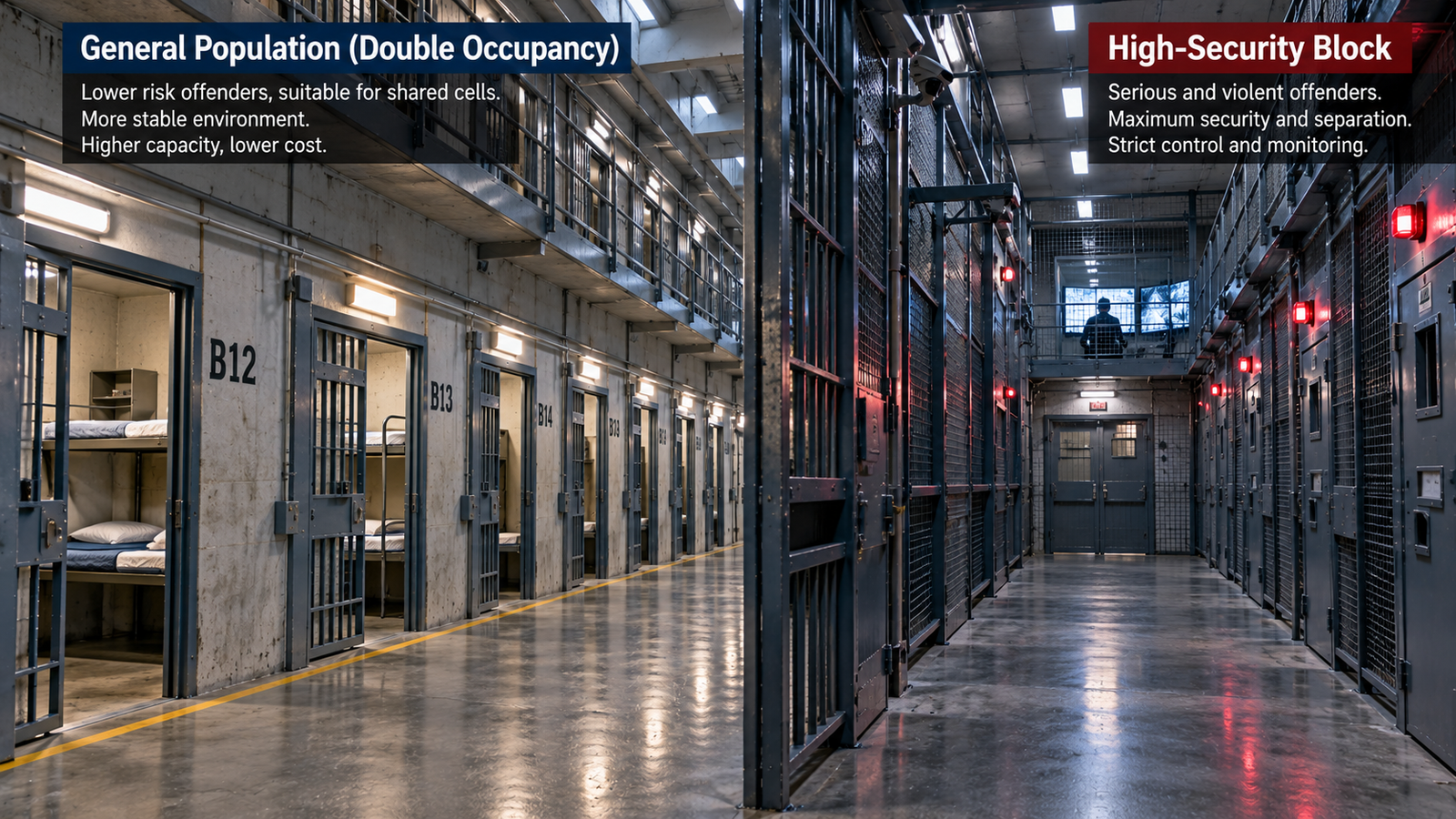
Placing highly dangerous violent offenders alongside lower-risk prisoners who are otherwise suitable for shared accommodation can expose those prisoners to intimidation, bullying and violence. Such mixing may also make double-occupancy accommodation less workable.
FIXNZ therefore proposes a risk-based, two-category approach.
Category One: Lower-risk sentenced prisoners suitable for shared accommodation
These include non-violent prisoners and others assessed as suitable for sharing a cell. They would generally remain in New Zealand prisons, with suitable double-occupancy accommodation used to improve capacity and facility efficiency.
Category Two: High-risk prisoners convicted of serious violent crimes
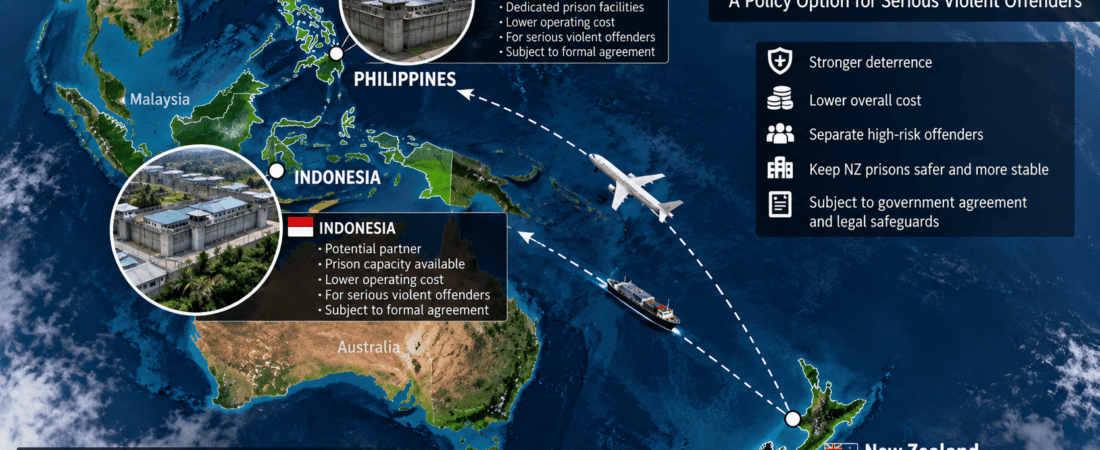
Prisoners lawfully sentenced and verified as presenting a high level of danger should be held under a separate high-security regime. FIXNZ also proposes formally studying whether, through agreements between governments, some could serve their sentences in contracted facilities in the Philippines, Indonesia or other willing countries.
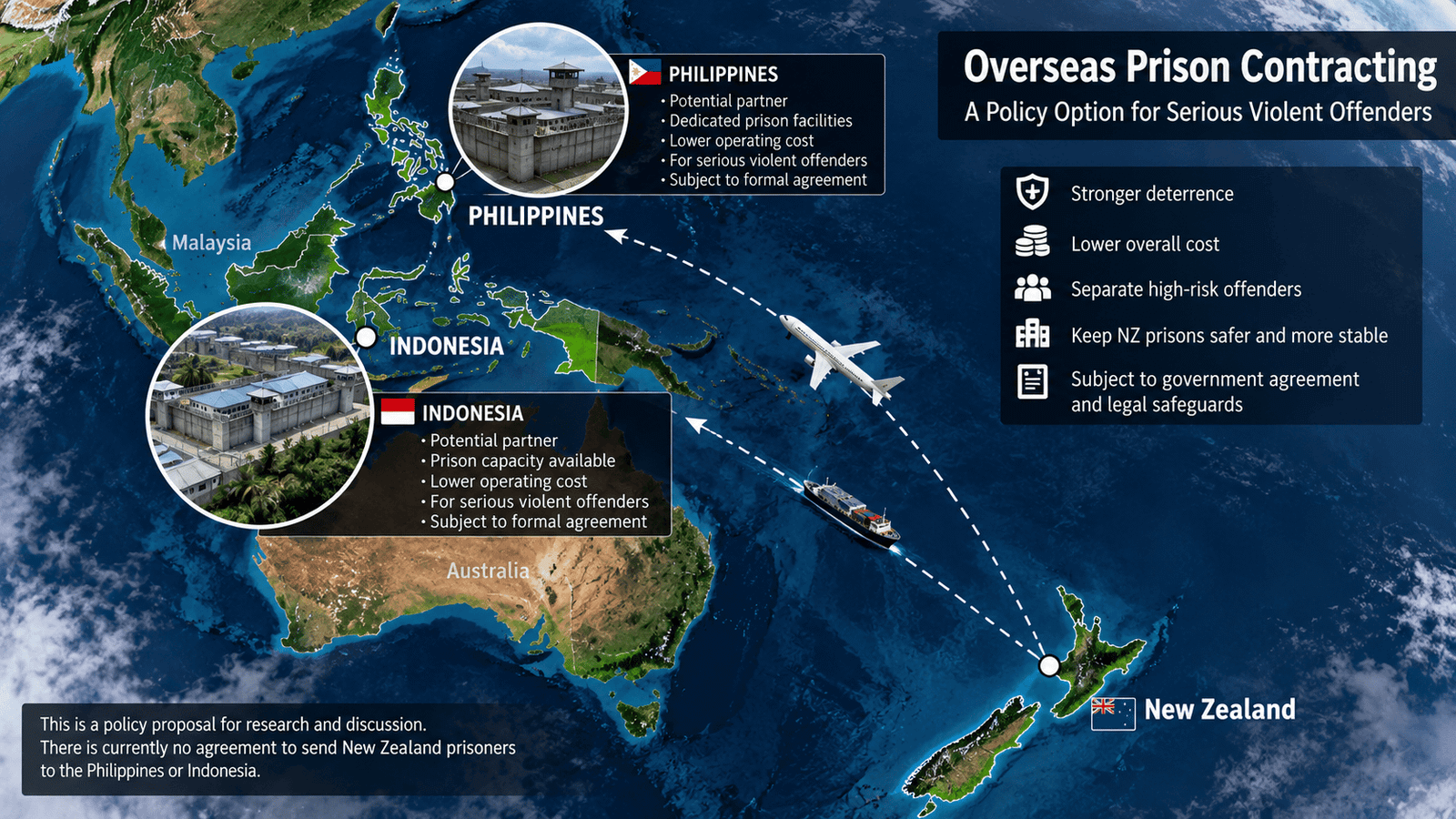
The proposed overseas custody study has three objectives:
- Separate serious violent offenders from other prisoners, reducing violence and intimidation in domestic prison accommodation.
- Release capacity in New Zealand prisons so that shared cells can operate in a more stable and manageable environment.
- Compare the full costs of overseas contracted custody to determine whether overall incarceration costs could be reduced and whether the consequences of serious offending would become more deterrent.
The Philippines and Indonesia are proposed research candidates only. There is no evidence presented here that either country has agreed to receive New Zealand prisoners, and no verified comprehensive contract quotation is available.
If an international tender were ever pursued, the government would need to compare full lifecycle costs, legal feasibility, human rights and custody obligations, operational capability, contract accountability, independent oversight, emergency arrangements and lawful return procedures—not merely the cost of food.
The objective is not to expose lower-risk prisoners to dangerous violent offenders. It is to use risk-based separation to increase usable prison capacity while maintaining order and safety.
5. Put Public Protection at the Centre of Prison Policy
New Zealand should reconsider the priorities of its criminal justice system.
Victims of serious violence may live with the consequences for the rest of their lives. Where a life has been lost, no sentence can bring that person back.
When assessing prison policy, we should not ask only whether prisoners have been provided with sufficient conveniences. We should also ask:
- Does imprisonment genuinely restrict dangerous offenders?
- Are sentences actually carried out?
- Do potential offenders abandon criminal plans because they expect meaningful consequences?
- Are law-abiding members of the public safer as a result?
- Does the government achieve these outcomes at a reasonable cost?
Strict prison conditions do not automatically produce effective deterrence. These questions must therefore be tested continuously against crime rates, reoffending rates, victim safety and fiscal evidence.
6. FIXNZ’s Six Reform Demands
- Expand suitable double-occupancy cells to make better use of existing prison buildings and bed capacity.
- Reform sentence discounts and remove unjustified guilty-plea reductions for serious offending.
- Restrict electronic monitoring and community sentences so that serious offenders face more certain imprisonment.
- Separate high-risk violent offenders and examine overseas contracted custody while maintaining stable domestic shared accommodation.
- Disclose the real costs and compare existing prisons, cell conversions, new construction and overseas contracts on a comprehensive fiscal basis.
- Measure success by reductions in crime and harm, not simply by prisoner numbers or budget totals.
Conclusion: Crime Must Have Consequences
New Zealand should not continue increasing prison budgets without clearly explaining how that spending makes the public safer.
We need a prison system with greater usable capacity, firmer consequences and better efficiency.
Prisoners who can safely share accommodation should do so. Dangerous violent offenders should be securely separated, and the feasibility of serving sentences overseas should be formally examined.
Penalties for serious crimes should be clear and predictable, not casually weakened through discounts or community-based alternatives.
Make offenders genuinely fear the consequences of crime. Give law-abiding people more reliable protection. Spend less public money on imprisonment.
Stronger deterrence. Lower costs.
That is the direction of prison reform proposed by FIXNZ.